Poor road conditions in Aiken can turn a routine drive into a sudden accident, leaving drivers and cyclists shaken and unsure of what comes next. In those moments, it becomes important to understand whether the road’s condition played a role and who may be responsible. These questions often arise quickly, especially when injuries or damage follow.
In Aiken, South Carolina, cases involving poor road conditions follow a different path than typical accident claims. Because government agencies are often responsible for maintaining public roads, these cases involve added rules and stricter requirements. Understanding this difference early helps avoid confusion and keeps the process moving in the right direction.
To move forward, you must show that the agency responsible for the road failed to address a known hazard or did not provide proper warning, and that this failure led to your accident. South Carolina law allows claims against public entities but limits when they can be held responsible. An experienced personal injury lawyer in Aiken can help organize evidence, meet required deadlines, and guide you through each step while protecting your claim.
Key Takeaways
- Claims for poor road conditions require proving that a government agency failed to address a known hazard.
- Liability depends on identifying the correct authority responsible for maintaining the roadway where the accident occurred.
- Strong evidence, including prior complaints and records, is essential to show negligence and causation clearly.
- Legal limits, filing requirements, and early action play a critical role in determining whether a claim succeeds.

When Poor Road Conditions Can Lead to a Claim
Not every road issue leads to a valid claim, even when an accident occurs. The law looks at whether the condition created a serious and avoidable danger for drivers and cyclists.
Types of Hazards That May Support a Lawsuit
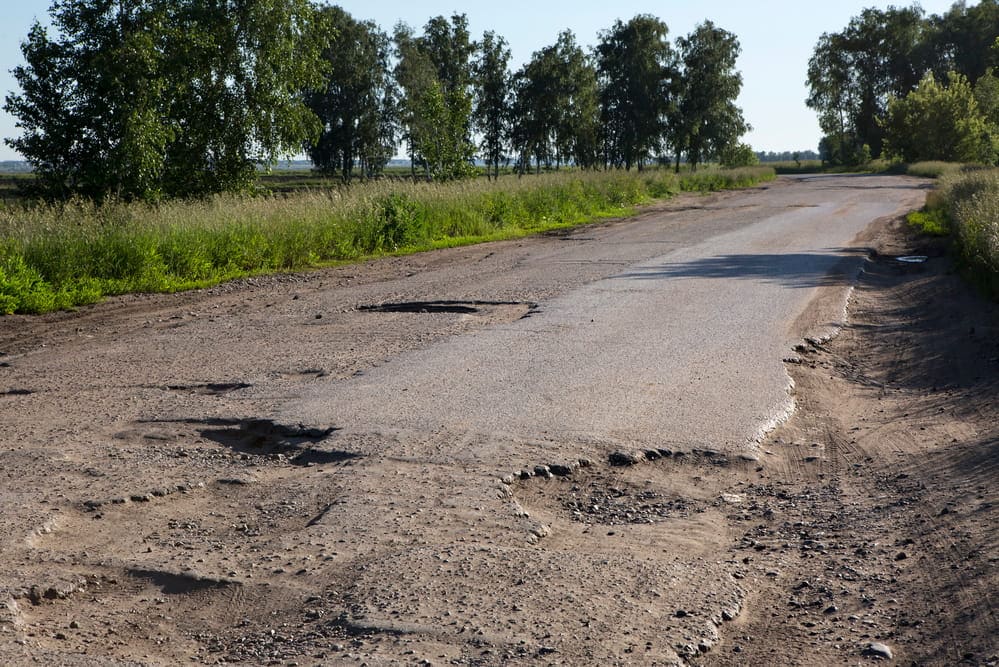
Certain roadway hazards are more likely to support a claim when they create unsafe conditions that drivers and cyclists cannot reasonably avoid. Deep potholes, broken pavement, or uneven surfaces can cause sudden loss of control, especially at normal speeds. In the same way, missing traffic signs, poor drainage, or malfunctioning signals can disrupt safe driving and increase the likelihood of a crash.
When a Road Issue Becomes Legally Actionable
A road issue becomes legally actionable when it creates an unreasonable risk to drivers and cyclists using the road in a normal and expected way. The condition must go beyond minor wear and present a clear, ongoing safety concern that could lead to harm. In many cases, the issue must be serious enough to have been repaired or properly addressed within a reasonable period.
Who Is Responsible for Road Conditions in Aiken
Responsibility for road conditions depends on which agency controls the roadway where the incident occurred. Identifying that authority early helps ensure the claim follows the correct legal path.
How Road Ownership Determines Liability
- Road ownership plays a key role in identifying who may be responsible for unsafe conditions.
- In Aiken, roads may be managed by the City of Aiken, Aiken County, or the South Carolina Department of Transportation.
- Each agency operates independently and maintains its own roadways.
- Identifying the correct authority is necessary before moving forward with a claim.
How Local Court Procedures Apply to These Claims
- Once responsibility is identified, the claim proceeds through the appropriate court system.
- Civil matters are handled within the Aiken County court system.
- Proceedings often take place at the Aiken County Courthouse.
- The location of the incident determines where the claim is filed, reviewed, and resolved.

What You Must Prove To Sue for Road Conditions
To bring a claim, you must meet specific legal requirements that focus on fault and causation. These elements help show that the road condition was not only dangerous but also improperly handled.
Establishing Negligence by a Public Agency
To establish negligence, you must show that the public agency had a duty to maintain or repair the roadway. You must then demonstrate that the agency failed to act within a reasonable timeframe after becoming aware of the issue. This failure must reflect a lack of reasonable care in addressing a known safety concern.
Proving the Road Condition Caused the Accident
It is not enough to show that a hazard existed, because you must also prove that it directly caused the accident. The condition must have contributed to the crash in a clear and measurable way, not just exist nearby. Evidence such as photos, incident reports, and prior complaints can strengthen the claim and support your position.
Legal Rules That Limit These Claims
Claims involving public roads follow specific legal rules that govern how and when a case can proceed. These rules are designed to limit liability while still allowing certain claims to proceed.
Claim Filing Process and Required Steps
Before filing a lawsuit, a verified claim is often submitted to the responsible agency for review. This step allows the agency to evaluate the issue and respond before formal legal action begins. Following this process carefully helps avoid delays and keeps the claim on track.
Limits on Liability and Compensation
Even when a claim is valid, the amount of recovery may be limited by law. South Carolina law places caps on compensation and restricts certain types of damages in these cases. These limits are defined in South Carolina Code § 15-78-120, which sets the amount a claimant may recover.
Key Factors That Influence Whether a Road Claim Succeeds
Several factors influence whether a road condition claim will move forward or face challenges early in the process. Strong evidence and clear responsibility often make the difference between a successful claim and a denied one.
Evidence That Can Strengthen a Claim
- A claim becomes stronger when there is clear proof that the hazardous condition existed long enough to be addressed.
- Documentation such as prior complaints, inspection records, or delayed repairs can show that the issue was known.
- These records may demonstrate that the responsible agency had time to act but did not.
- Strong, consistent evidence supports the argument that reasonable steps were not taken.
Issues That Can Weaken a Claim
- A claim may weaken when responsibility for the roadway is unclear or disputed.
- Multiple agencies may be involved, making it harder to identify who had control.
- Without clear evidence, it becomes difficult to establish responsibility at the time of the incident.
- A lack of evidence linking the hazard directly to the crash can weaken the claim.

How Road Hazard Cases Are Evaluated in Practice
Courts look closely at how the hazard developed and how it affected the accident. They focus on both the condition of the road and the actions taken before the incident.
When a Road Defect Leads to an Accident
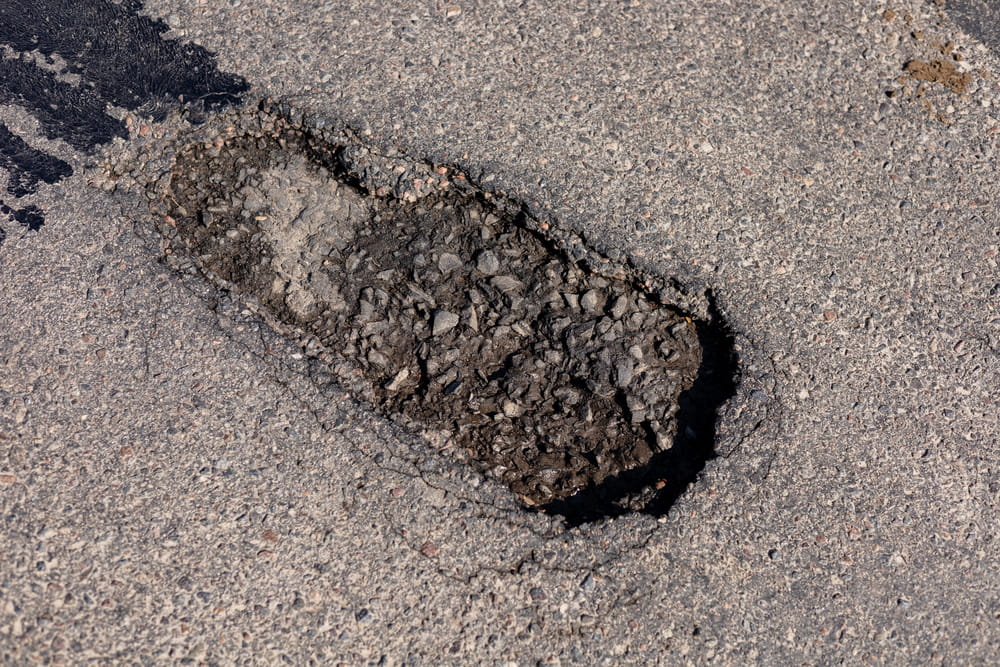
A cyclist or a driver in Aiken may strike a large pothole that has remained unrepaired for an extended period. The sudden impact can cause loss of control, especially at normal speeds, which may then lead directly to a collision and form the basis for a claim.
How Courts Typically Assess These Situations
Courts examine how long the condition existed and whether it had been reported before the accident. They also look at whether the responsible agency had enough time to address the issue but failed to act. Repeated inaction is often treated more seriously than an isolated or newly formed problem.
Contact an Aiken Personal Injury Lawyer
Suing for poor road conditions in Aiken, South Carolina, is possible, but only when specific legal standards are met. These claims require identifying the correct authority, proving a dangerous condition existed, and showing it caused the accident. Legal limits and procedures shape how these cases move forward and what recovery may be available.
Understanding how responsibility is determined, how evidence is evaluated, and how local courts handle these claims helps avoid costly mistakes. Early action often makes a meaningful difference when deadlines and reporting steps apply. A skilled Aiken bike accident lawyer can guide you through each stage while protecting your rights and strengthening your claim.
At Aiken Attorneys, we understand how stressful an accident caused by unsafe road conditions can be, especially when responsibility is unclear. Our team takes the time to review the details, explain your options, and help you understand what steps matter most. Contact us today or call (803) 649-5338 to speak with a personal injury attorney who can guide you through the process. Take the next step and let an experienced lawyer help protect your rights and advance your claim.


