This page has been written and reviewed by Attorney Brett H. Lancer, a personal injury attorney at Johnson, Johnson, Whittle, Lancer & Staggs and an attorney admitted to the South Carolina Bar in 2008. Brett represents injured individuals and families throughout Aiken, SC, in cases involving dog bites, animal attacks, and catastrophic injuries.
A delivery stop, neighborhood visit, or walk through an apartment complex can become dangerous when a dog gets loose from a gate, leash, yard, or shared outdoor area. When injuries leave someone dealing with medical care, missed work, and questions about who had control of the animal, an Aiken dog bite lawyer can help review the claim and identify the responsible parties. These cases often turn on how the dog reached the injured person and whether warning signs, property access, or owner conduct played a role.
After the attack, treatment usually becomes the first priority. Puncture wounds, infection risks, nerve injuries, facial trauma, scarring, and emotional distress may require follow-up care. As medical records begin showing how the injury developed after the bite, a personal injury lawyer can use that documentation to connect the harm to the claim.
Once immediate care is underway, responsibility must be examined. The dog’s owner, caretaker, property manager, landlord, or another party may be relevant depending on the location and degree of control. Those details can affect where the claim should be directed.
Insurance questions may also shape the recovery path. Homeowners, renters, or property-related coverage may apply depending on where the attack happened. Identifying available coverage can help address medical bills, lost income, and other losses.
Johnson, Johnson, Whittle, Lancer & Staggs assists dog bite victims throughout Aiken County. Our team reviews medical records, owner information, property details, insurance coverage, and available evidence. Some dog bite claims may proceed through the Aiken County Court of Common Pleas.
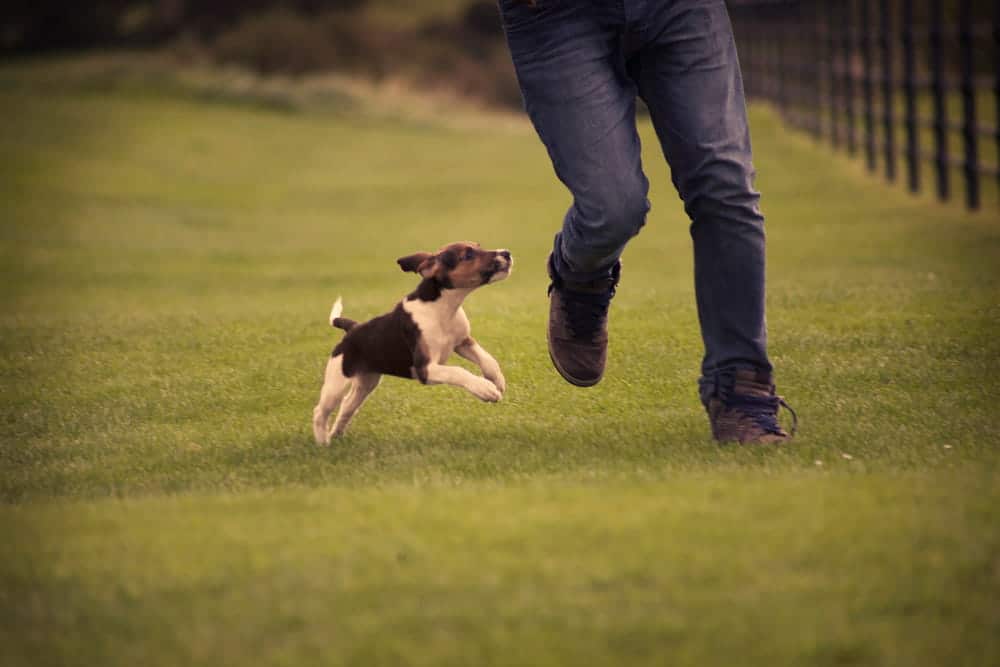
Owner and Keeper Liability After Dog Bite Attacks
When the Owner Loses Control of the Dog
South Carolina law provides protection for people injured by dogs in certain situations. When a dog bites or attacks someone, responsibility may fall on the dog’s owner or another person who exercised control over the animal under the circumstances. The law focuses on the circumstances surrounding the attack rather than assumptions about the dog’s past behavior.
Many dog attacks happen in public areas where people regularly walk, work, or spend time. Sidewalks, parks, shared walkways, and similar locations are common examples. Individuals using these areas generally have a lawful right to be present. When an attack occurs in one of these settings, the location itself may become an important part of the liability analysis.
A dog attack does not have to occur in a public place for responsibility to arise. Incidents that happen on private property may also qualify when the injured person was lawfully present. This can include guests, tenants, delivery drivers, workers, visitors, and others performing legitimate activities.
Many people believe liability depends on proving the dog previously bit someone. South Carolina law does not generally require an injured person to establish a prior attack before seeking recovery. This framework is reflected in S.C. Code § 47-3-110 and frequently shapes the evaluation of these claims.
Although owners are often the primary focus, responsibility does not always end there. Depending on the circumstances, another individual may also have exercised sufficient control over the animal to become relevant to the liability analysis.
When Someone Else Was Responsible for the Dog
Responsibility for a dog attack is not always limited to the legal owner. In some situations, another person may have exercised care, custody, or control over the animal. Determining who actually managed the dog at the time of the incident can be an important part of the investigation.
Investigators may consider factors such as:
- Who regularly fed the dog
- Who provided shelter
- Who walked or restrained the dog
- Who routinely supervised or cared for the animal
These facts may help determine who exercised practical control over the dog when the attack occurred.
Disputes sometimes arise when a dog is staying with someone other than its owner. Similar questions may develop when a dog escapes into a neighborhood or spends time at a rental property. The facts can become even more complicated when friends, relatives, or caretakers are involved.
In some situations, questions may also arise as to whether another person exercised control over the dog or knew of a specific danger involving the animal. These issues depend on the facts surrounding the attack and the role each person played in managing the dog.
When a Dog Bite Becomes a Serious Injury
Wounds That Get Worse After the Attack
Dog bite injuries can be more serious than they first appear. A small puncture wound may hide more serious damage beneath the skin. Because a dog’s teeth can push bacteria into the underlying tissue, the risk of infection may develop quickly.
Some attacks cause deep cuts, tearing injuries, and damage to surrounding tissue. These injuries may require thorough wound cleaning to reduce the risk of complications. Depending on the severity, treatment may include stitches, antibiotics, emergency care, or follow-up visits.
Certain parts of the body are especially vulnerable during a dog attack. Injuries to the face, lips, cheeks, nose, ears, eyes, or jaw may affect appearance and normal function. Bites involving the hands, arms, legs, or neck can also interfere with daily activities.
Some dog bites cause damage that extends beyond the skin and soft tissue. When nerves are affected, an injured person may experience changes in sensation or movement. In some cases, the injury can affect grip strength, walking ability, facial movement, or normal use of the affected area.
Scars and Fear That Last Beyond the Bite
The effects of a dog attack may continue after the wound has healed. Deep bites can leave permanent scars, particularly when tearing injuries or tissue loss occur. Facial injuries often create additional concerns because visible areas are more difficult to conceal.
Some injuries result in lasting physical changes to the affected area. Changes involving the face, arms, hands, or other visible parts of the body can remain for years. The extent of those changes often depends on the severity of the original injury. Because every injury heals differently, long-term outcomes may vary from person to person.
Physical recovery is not always the only challenge following a serious dog attack. Some individuals develop fear around dogs or become anxious in places that remind them of the incident. Others experience sleep disruption, emotional distress, or difficulty returning to familiar routines.
Recovery may involve continued care such as:
- Scar revision procedures
- Plastic surgery evaluation
- Counseling or emotional support services
- Ongoing medical monitoring
The type and duration of follow-up care depend on the nature of the injury and the individual’s recovery needs.
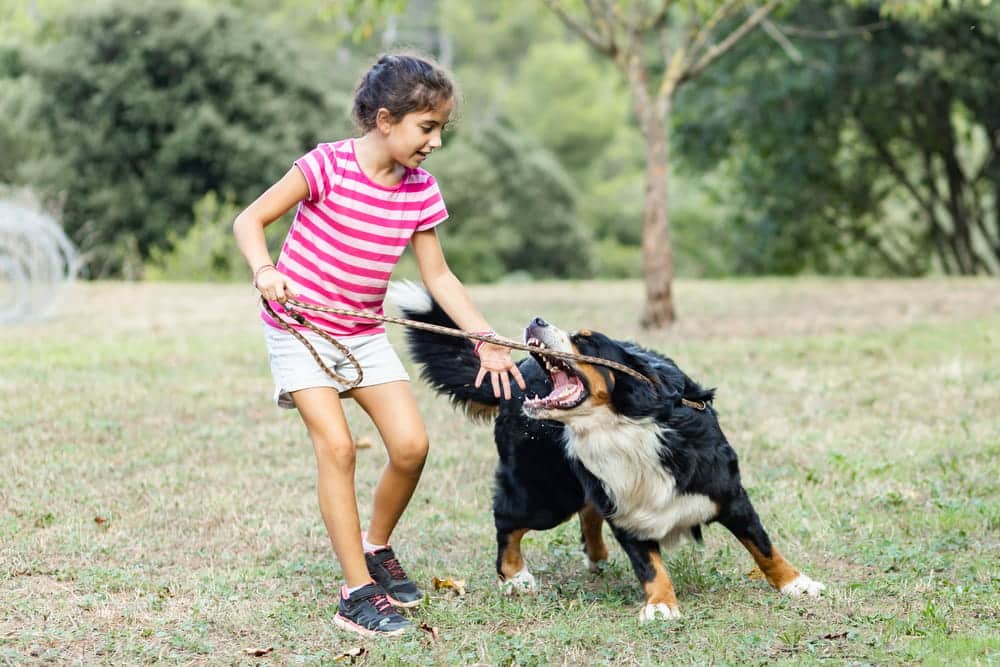
When a Child Is Hurt by a Dog
Children Who Cannot Escape the Attack
Children can face serious risks during a dog attack because of their size and limited ability to react. A child may be closer to the dog’s head level and less able to move away quickly. This can make the face, head, and neck more vulnerable during the incident. Because children may not protect themselves as adults do, their injuries often require close review.
Child dog bite injuries commonly involve visible and functional areas of the body. The face, head, neck, hands, arms, and legs may all be affected during an attack. Injuries in these areas can interfere with eating, speaking, writing, walking, or normal daily movement. These concerns make careful medical follow-up especially important after the first treatment visit.
A child may not fully understand a dog’s warning signs before an attack occurs. Some children freeze, panic, or react in ways that make the situation harder to explain later. Afterward, they may be unable to describe how the incident started or what happened first. This can make witness accounts, photos, and other evidence important during the review process.
The challenges following a dog attack are not always limited to documenting how the incident occurred. Many children also experience emotional effects that continue after their physical injuries begin to heal.
The emotional effects of a dog attack can also affect a child’s daily life. Some children become afraid of dogs, have nightmares, or feel distressed during medical treatment. Others may avoid certain homes, yards, parks, or places that remind them of the attack. These reactions should be considered with the same care as the physical injuries.
Scarring That May Affect a Child as They Grow
Scarring can affect children differently because their bodies are still growing. A scar that appears stable at first may change as the child develops. Facial injuries and reconstructive concerns may also require review over time.
Future care depends on the specific facts of the injury and the child’s recovery. Some cases may involve scar treatment, counseling, or continued medical follow-up. Others may require a plastic surgery evaluation when the injury affects a visible or functional area.
Parents and guardians can help protect a child’s interests by:
- Documenting medical treatment
- Tracking symptoms and recovery
- Preserving photographs of the injury
- Keeping medical records
- Communicating with insurance companies regarding the child’s condition
Careful documentation may help demonstrate how the injury changes over time and support a clearer understanding of the child’s recovery.
Settlement decisions involving minors require careful review because the injury may have lasting effects. A child may continue to heal, develop, or need care after the first treatment period ends. Because of this, early decisions should account for both current injuries and possible future concerns.
When the Dog Owner’s Story Does Not Match the Attack
Details That Show How the Attack Happened
Evidence often plays a central role in understanding how a dog attack occurred. Photographs taken shortly after the incident can document the wound and surrounding conditions. Additional photos may show the healing process, changes in scarring, torn clothing, and the location of the attack.
Treatment records often become equally important because they document both the nature of the injury and how recovery develops over time. Care may begin in an emergency room or urgent care facility before continuing with follow-up providers. Some individuals require antibiotics, specialist care, surgery, scar treatment, or therapy during recovery.
Witnesses often provide important context when questions arise about how the attack occurred. People who saw the incident may describe the dog’s actions and the events leading up to the bite. Others may have heard the attack, assisted afterward, or observed the dog’s behavior before the incident.
Additional records may help document important facts related to the attack. Animal control reports, reports submitted to the South Carolina Department of Public Health during a rabies investigation, incident reports, and prior complaints may identify the dog, owner, and location involved. Other evidence can include leash information, fence or gate conditions, insurance communications, and available video footage.
When the Victim Gets Blamed for the Bite
Disputes sometimes arise over what occurred before the attack took place. A dog owner or insurance company may argue that the injured person provoked the animal. Allegations may involve teasing, startling, harassing, mishandling, or otherwise interfering with the dog.
Questions involving provocation extend beyond ordinary insurance disagreements. South Carolina law recognizes provocation as a legal issue that may affect responsibility for the attack. Because of this, both sides often focus closely on the actions that occurred before the bite. The available evidence may influence how those facts are ultimately interpreted.
Lawful presence may involve individuals such as:
- Invited guests
- Employees or contractors performing work
- Delivery drivers
- Social visitors
- Individuals visiting a tenant
Whether a person was lawfully present often depends on the specific circumstances surrounding the visit and may become an important issue when liability is disputed.
Several forms of evidence may help address these disputes. Witness statements, photographs, video footage, text messages, and property access information can provide important context. Prior interactions between the parties may also help explain how the incident began. When liability is contested, the strength of the available proof often affects how the claim is evaluated.
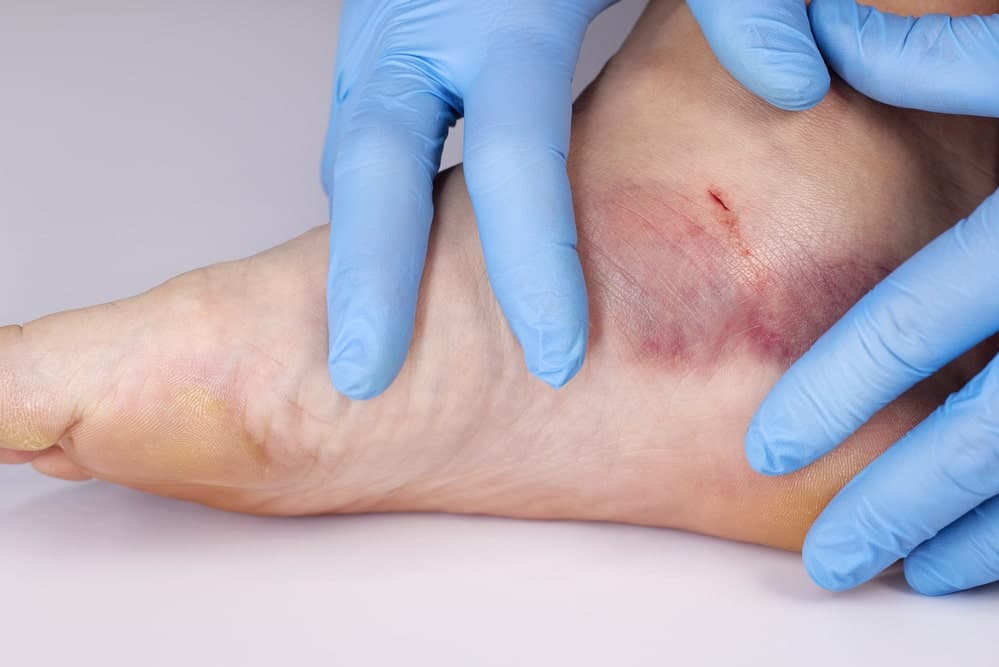
Insurance Pushback After a Serious Dog Bite
When Payment Is Not Clear After the Attack
Many dog bite claims involve insurance coverage rather than direct payment from the dog owner. Homeowners insurance and renters insurance are common sources of coverage in these cases. The available coverage often depends on the facts surrounding the attack and the policy’s terms.
Coverage questions can arise for several different reasons. The location of the attack, ownership of the dog, and control of the animal may all affect coverage. Some policies include animal-related injuries, while others contain exclusions or limitations. A careful review of the policy language is often necessary before conclusions can be reached.
Certain situations may create additional insurance disputes. Questions sometimes arise when an attack occurs at a rental home, apartment unit, or shared yard. Similar issues may develop when someone is visiting relatives or caring for another person’s dog. In those situations, more than one insurance policy may require review.
Even after the potentially applicable policy has been identified, important coverage questions may still remain. Policy exclusions, coverage limits, and the specific circumstances of the attack can all affect the available recovery. These issues become especially important when an injury involves surgery, visible scarring, missed work, or extended treatment. Because every claim is different, coverage questions often require a detailed investigation.
Costs That Continue After the Wound Closes
The impact of a dog bite injury often extends beyond the initial treatment period. Recovery may include emergency care, wound treatment, stitches, medication, rabies or tetanus treatment when appropriate, surgery, and follow-up appointments. Some individuals also require therapy or treatment related to permanent scarring.
Time away from work can create additional challenges during recovery. Some individuals miss work due to pain, concerns about infection, medical appointments, or surgical procedures. Others may experience limitations that affect their ability to perform normal job duties. These disruptions can sometimes result in a loss of income during the recovery process.
Future care may also become a consideration when supported by the medical evidence. Depending on the circumstances, treatment may continue long after the wound has healed. Scar revision procedures, reconstructive evaluations, counseling, or ongoing medical care may be recommended.
Dog bite injuries may also result in long-term effects such as:
- Pain and suffering
- Emotional distress
- Permanent scarring or disfigurement
- Reduced enjoyment of daily activities
These consequences extend beyond medical treatment alone and may affect many aspects of an individual’s daily life. The overall value of a claim depends on factors such as liability, injury severity, available insurance coverage, and the supporting evidence.
Waiting Can Make the Attack Harder to Prove
Problems That Grow When Too Much Time Passes
South Carolina law generally gives injured people three years to file many injury lawsuits. This time limit often applies to claims involving injuries caused by dog attacks. Although three years may seem like a long period, important evidence can become more difficult to obtain over time.
The deadline is established by South Carolina law and applies to many personal injury actions. After explaining the rule in plain terms, it is helpful to note that S.C. Code § 15-3-530 contains the general three-year limitation period. Missing the applicable deadline can affect the ability to pursue a claim in court.
Delays can create challenges even before a filing deadline expires. Photographs may be lost, witness memories may fade, and important records may become harder to locate. Animal control reports, insurance information, and medical documentation can also become more difficult to gather.
Insurance discussions do not always protect the right to file a lawsuit before the deadline expires. A claim may still require court action even while settlement negotiations continue. Special considerations can also arise in cases involving children or unusual factual circumstances.
When the Injury Still Has Not Been Resolved
Many dog bite claims begin with insurance review and settlement discussions. During that process, the parties may exchange information and evaluate the circumstances of the claim. In some cases, those efforts lead to a resolution without formal litigation. In others, disagreements remain, and additional legal action may become necessary.
When settlement efforts do not resolve the dispute, a lawsuit may be considered. Dog bite injury claims that proceed to litigation are generally handled through the Aiken County Court of Common Pleas.
Settlement discussions may continue when disputes involve:
- Liability
- Insurance coverage
- Medical evidence
- Visible scarring
- The extent of the claimed damages
These issues often influence how the parties evaluate the claim and whether an agreement can be reached without litigation.
Legal representation can become particularly important when settlement discussions reach an impasse. A thorough review of the available evidence may help identify strengths and weaknesses in the claim. Attorneys can also address disputes involving liability, damages, and insurance positions.

Frequently Asked Questions About Dog Bite Claims
Who Is Responsible for Dog Bite Injuries in South Carolina?
Liability often falls on the dog’s owner or another person who had control of the animal. The key questions usually involve who controlled the dog, where the attack happened, and whether the injured person was lawfully present.
Can I Sue if the Dog Had No Earlier Bite History Before?
Yes, in many cases. South Carolina does not usually require proof that the dog previously bit someone. A first attack can still support a claim when the legal requirements are met.
What Evidence Can Support a Serious Dog Bite Injury Claim?
Helpful proof can include photos, medical records, witness statements, animal control reports, video footage, and records showing the extent of treatment. These materials help show how the attack happened and how serious the injuries are.
Can Parents File Claims After a Child’s Dog Bite Injuries in SC?
Yes. Parents or legal guardians can usually act on behalf of an injured child. They may help document treatment, communicate with insurance companies, and protect the child’s recovery-related interests.
Can Compensation Cover Permanent Dog Bite Scarring Claims?
Yes. Permanent scarring can be part of a dog bite injury claim. Location, visibility, medical treatment, and the effect on daily life can all influence how scarring is valued.
What Happens if the Owner Says I Provoked the Dog?
Provocation can become a disputed issue. Witness accounts, photos, video footage, and details about what happened before the attack can help address that argument.
Will Homeowners Insurance Cover a Dog Bite Injury Claim?
Many dog bite claims involve homeowners’ insurance or another property-related policy. Coverage depends on the policy language, exclusions, and the manner in which the attack occurred.
Contact an Aiken Dog Bite Lawyer
A dog attack can leave injuries that are difficult to treat and harder to ignore. Deep wounds, scarring, infection, nerve damage, and fear around animals may affect daily life, especially when a child is hurt. Responsibility may depend on owner control, leash use, the circumstances of the attack, and the applicable South Carolina law. Witness accounts, medical records, and insurance information may help establish those issues.
When those questions remain disputed, experienced legal guidance can help organize the available evidence and protect important information before it is lost.
Johnson, Johnson, Whittle, Lancer & Staggs helps people in Aiken County after serious dog attacks involving medical treatment, scarring, and disputed responsibility. Our team gathers photographs, treatment records, animal history, and witness details to show what happened and how the harm continued afterward. Contact us today or call (803) 615-1248 to discuss your dog bite matter with an attorney.