What do the different degrees of domestic violence offenses in South Carolina really mean for someone facing a charge? Each degree reflects how the law evaluates injury, a person’s history, and the level of danger involved, which makes these distinctions important from the start. Understanding these categories helps readers see how quickly a situation can escalate under state law.
The foundation for every charge comes from S.C. Code § 16-25-20, which defines domestic violence as causing harm, attempting to cause harm, or creating a reasonable fear of imminent harm to a household member. This statute guides officers as they decide how serious the incident is. It also shapes the path a case may take once it enters the court system.
This article explains every domestic violence degree, including DVHAN, so readers understand how the law separates lesser offenses from the most severe cases. It outlines penalties, aggravating factors, and long-term consequences that can affect a person’s record and rights. It also shows how Aiken domestic violence lawyers can help individuals navigate these charges with protection and clarity.

How South Carolina Defines Domestic Violence and Household Member Status
South Carolina uses clear criteria to explain how domestic violence is identified and how protected relationships are defined. These guidelines help determine how each case is classified and handled in the legal system.
Core Definition
Domestic violence involves causing injury, attempting to cause injury, or making threats that create fear of immediate harm. These actions must show behavior that would make a reasonable person believe danger is present. This definition helps officers and courts decide how serious the situation is.
Who Qualifies as a Household Member
A household member includes a spouse, former spouse, persons who have a child in common, and a male and female who are cohabiting or formerly have cohabited. It also includes individuals who share a child and maintain an ongoing parental connection. Partners who currently live together or previously lived together are also included in this category.
Understanding the Three Degrees of Domestic Violence
South Carolina separates domestic violence into three degrees to reflect how serious the harm or threat of harm is in each case. These degrees determine both the severity of the charge and the potential penalties someone may face.
Third Degree – Basic DV Charge
- Applies when harm or attempted harm occurs without aggravating factors.
- Injuries are minimal or may not be present at all.
- Penalty: misdemeanor, up to 90 days in jail or fines.
Second Degree – Elevated DV
- Involves moderate bodily injury or conduct likely to cause such injury.
- May apply when there is a prior DV conviction within 10 years.
- Aggravating factors include a minor present, pregnancy, strangulation, or blocking emergency communication.
- Penalty: up to 3 years in prison.
First Degree – Serious DV Offense
- Involves great bodily injury or conduct likely to cause great bodily injury.
- May include use of a firearm, multiple prior DV convictions, or violating a protection order.
- Classified as a felony with a penalty of up to 10 years in prison.
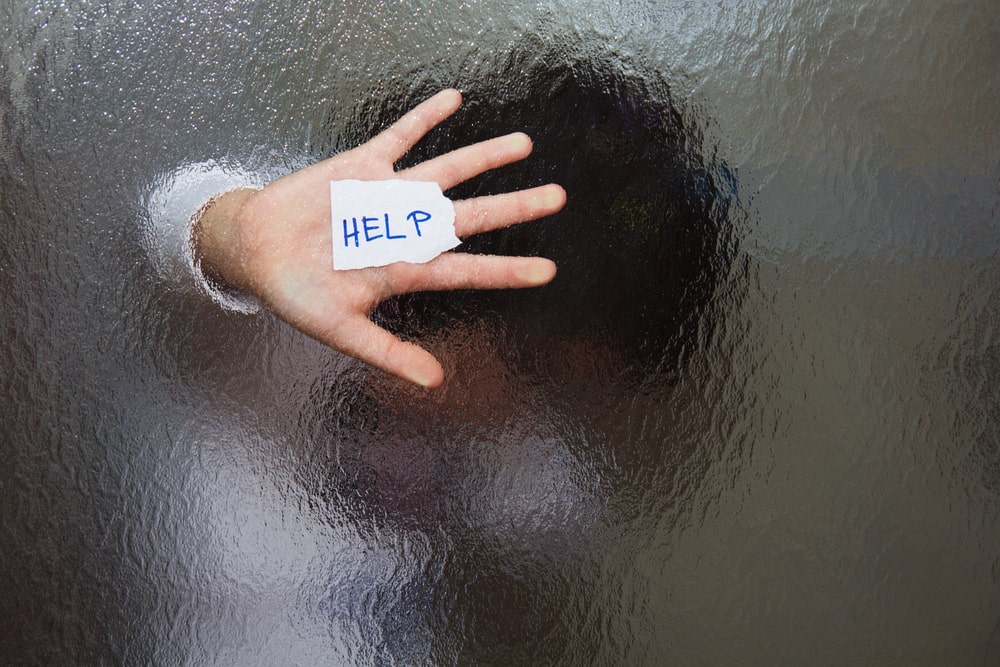
Domestic Violence of a High and Aggravated Nature (DVHAN)
This offense is considered the most severe form of domestic violence under state law. It applies when the conduct shows a level of danger far beyond typical situations.
Definition
Under S.C. Code § 16-25-65, this charge involves actions that reflect extreme indifference to human life. It includes cases where great bodily injury occurs or where there is a credible threat of death or serious harm. It also applies when someone violates a protection order while committing first-degree domestic violence.
Penalties and Impact
A conviction can lead to a felony sentence of up to twenty years in prison. It is treated as a violent offense, which affects parole eligibility and future sentencing decisions. It also creates long-term personal and professional challenges that may follow a person for many years.
Factors That Elevate or Worsen a DV Charge
Several circumstances can increase the seriousness of a domestic violence charge. These details help the court understand the level of danger involved.
Injury Levels, Aggravators and Prior History
Minor injuries often lead to charges in the lower degree range. Moderate injuries or certain aggravating factors can move a case into a higher category. Great bodily injury, the presence of minors, pregnancy, weapons, strangulation, or related crimes can elevate the charge even further.
Firearm Restrictions
Firearm restrictions for domestic violence convictions are outlined under S.C. Code § 16-23-500(A), which prohibits firearm possession for certain individuals convicted of domestic violence offenses, depending on the degree of the crime and the court’s orders.
Why the Degree of Charge Matters for a Defense Strategy
The degree of a domestic violence charge shapes both the evidence the prosecutor relies on and the possible penalties a defendant faces. Understanding these distinctions helps defense attorneys identify weaknesses and negotiate toward more favorable outcomes.
What Prosecutors Must Prove
- Prosecutors must establish the injury level, intent, aggravating factors, and household-member status.
- Any prior convictions used to elevate the charge must be legally valid and properly documented.
Defense Opportunities
- Challenging how injuries were classified or whether aggravating factors actually apply.
- Contesting witness credibility, inconsistent accounts, or gaps in physical evidence.
- Arguing for a reduction from a higher-degree charge to a lower one or pursuing diversion or dismissal when appropriate.
Conclusion
South Carolina divides domestic violence into three degrees and DVHAN, with each level carrying increasing penalties and long-term effects. The levels of domestic violence charges help courts understand the seriousness of each case. These distinctions also guide how domestic violence charges in South Carolina move through the legal system.
Small details such as injury severity, prior convictions, or the presence of a child can change the outcome. The use of weapons or other aggravators can also raise the degree of the charge quickly. Understanding these factors helps individuals see how the law evaluates risk and accountability.
At Aiken Attorneys, we understand how difficult a domestic violence charge can be and how quickly it can affect every part of your life. Our experience with South Carolina domestic violence laws allows us to defend your rights and work toward the strongest possible outcome. Contact us today or call us at (803) 649-5338 to speak with a local domestic violence attorney who knows how these cases are handled. Take action now and let our team guide you through each stage with clarity and support.