Imagine being stopped late at night at a DUI checkpoint in Aiken, unsure of what to expect. Flashing lights, uniformed officers, and a quick series of questions can make even the calmest driver uneasy. In such moments, knowing your rights can mean the difference between confidence and confusion.
While legal under SC DUI laws, checkpoints must still follow strict constitutional safeguards to protect drivers from unfair treatment. Officers are required to use neutral procedures and avoid random or biased stops. Understanding these limits helps you stay composed and recognize when your rights are being challenged.
Under S.C. Code Ann. § 56-5-2930, it is unlawful to operate a vehicle while “materially and appreciably impaired” by alcohol or drugs. This statute forms the foundation of DUI in South Carolina and governs how checkpoints are enforced. An experienced Aiken DUI lawyer can explain these laws clearly and help protect your rights if an arrest occurs.

Legal Foundation of DUI Checkpoints in South Carolina
DUI checkpoints in Aiken are governed by laws that protect both public safety and individual rights. These legal safeguards ensure checkpoints are planned, supervised, and conducted within the limits of SC DUI laws.
How Checkpoints Are Authorized
Every checkpoint must be approved by supervisory officers before it is carried out. A written plan must outline its location, purpose, and schedule to prevent random or unfair stops. These measures ensure that DUI in South Carolina is enforced responsibly and within constitutional limits.
Rules for Operation
Officers must stop vehicles in a consistent pattern, such as every third or fifth car. Checkpoints should be clearly marked, well-lit, and cause minimal traffic disruption to drivers. A qualified Aiken DUI lawyer can determine whether proper procedures were followed and protect your rights if violations occurred.
Your Rights When Stopped at a Checkpoint
What You Must Provide
Drivers are required to comply with basic identification and safety requests at a DUI checkpoint.
- Provide your driver’s license, registration, and proof of insurance when asked.
- Stay calm and cooperative while avoiding unnecessary conversation that could be misinterpreted.
- Keep your hands visible and follow lawful instructions from officers to ensure the interaction remains safe.
What You May Refuse Politely
You also have rights that protect you from self-incrimination.
- You are not required to answer questions about where you’ve been or whether you’ve been drinking.
- Field sobriety tests are voluntary, and you may decline them respectfully.
- You may turn away before the checkpoint if it can be done safely and without violating traffic laws.
Chemical Testing and Implied Consent
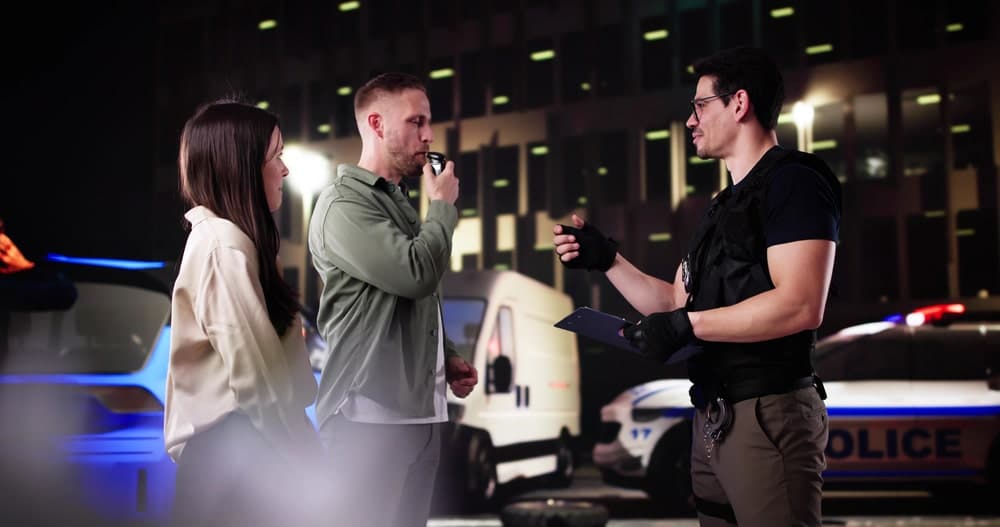
Drivers stopped at DUI checkpoints in Aiken are subject to South Carolina’s implied consent law. This law allows officers to request chemical testing to determine impairment while ensuring that procedures remain fair and lawful. Understanding these rules is essential for protecting your rights during any DUI investigation.
Understanding Implied Consent
Any driver lawfully arrested for DUI is presumed to consent to breath, blood, or urine testing. The officer must clearly explain your rights and the penalties that apply if you refuse. All tests must be properly administered, documented, and recorded to be valid under SC DUI laws.
What Happens If You Refuse Testing
Refusing a chemical test results in an automatic driver’s license suspension for a specific period. The refusal can be used as evidence in court, though it does not prove guilt on its own. A skilled DUI lawyer in Aiken, SC, can challenge whether the warning was clear or if the arrest was legally justified.

Police Conduct and Common Checkpoint Mistakes
Police officers at DUI checkpoints in Aiken must act within the limits of the law. Their actions are closely guided by procedures that ensure fairness and accountability under SC DUI laws.
What Officers Are Allowed to Do
At a checkpoint, officers can briefly request your driver’s license, registration, and proof of insurance. They may look for signs of impairment such as slurred speech, alcohol odor, or open containers in the vehicle. Further detention is allowed only when there is clear evidence or probable cause of DUI in South Carolina.
Errors That Can Invalidate a Checkpoint
Mistakes in procedure can make a checkpoint unlawful and the evidence collected inadmissible. These include missing supervisory approval, lacking a written plan, or stopping vehicles in a biased manner. Skilled lawyers in Aiken, South Carolina, can review the details of your stop and challenge any violations.
Video Recording and Evidence Requirements
Recording Requirements Under the Law
South Carolina law mandates specific video documentation during DUI arrests.
- S.C. Code Ann. § 56-5-2953 requires that arrests be video-recorded from the activation of police blue lights through any breath or blood testing at the station.
- The recording must show the interactions between the driver and the officer, as well as all sobriety or chemical tests performed.
- Incomplete or missing footage can weaken the prosecution’s case and raise questions about procedural fairness.
Why Recordings Matter in Defense
Video evidence plays a critical role in protecting the accused.
- Recordings help defense attorneys verify whether field tests were properly conducted.
- Footage can reveal improper officer behavior, unclear instructions, or rights violations.
- If required recordings are missing, attorneys may file motions to suppress evidence or dismiss the case entirely.
After a DUI Arrest at a Checkpoint
A DUI arrest at a checkpoint can be overwhelming, but understanding the next steps helps protect your rights. South Carolina law outlines clear procedures for handling DUI cases, including deadlines and penalties. Acting quickly after an arrest ensures the strongest possible defense and preserves your legal options.
Immediate Legal Process
Most DUI arrests occur after officers establish probable cause during the stop. You will face a court hearing, possible license suspension, and financial penalties depending on the evidence. The severity of penalties often depends on your BAC level, prior convictions, and whether minors were in the vehicle.
How an Aiken DUI Lawyer Can Help
An experienced Aiken DUI lawyer can analyze checkpoint plans, video footage, and officer conduct for errors. They can challenge chemical test results and examine whether your implied consent rights were violated. Lawyers in Aiken often negotiate reduced charges or alternative sentencing options that protect your future.
Conclusion
DUI checkpoints in Aiken are designed to improve road safety, but they must always respect constitutional rights and proper procedures. Understanding how these checkpoints operate helps drivers respond confidently and avoid unnecessary complications during a stop.
Staying informed about your rights can make a major difference in stressful situations. Knowing what officers can and cannot do allows you to remain calm and cooperative while protecting yourself from potential errors or misunderstandings.
At Aiken Attorneys, we understand how stressful a DUI checkpoint stop in Aiken can be. The uncertainty of what happens next can affect your peace of mind and future. Take control of your situation by getting trusted legal guidance right away. Contact us at (803) 649-5338 today to speak with our team and get the help you need.