Have you ever wondered how one court decision can affect your rights long after a case feels resolved? Domestic violence convictions can carry consequences that extend beyond fines or probation, including restrictions on firearm and ammunition possession. For many people, these limitations surface only after sentencing, when they are already trying to move forward.
South Carolina courts may impose firearm and ammunition restrictions through bond conditions, protection orders, or sentencing orders after certain domestic violence convictions, with judges sometimes outlining these requirements on the record before the hearing concludes. In Aiken, these cases move through the county court system, and early court orders often determine when restrictions begin.
Paying close attention to those initial directives helps people avoid unintentional violations while matters remain pending. Aiken domestic violence lawyers often help clients understand these requirements, organize paperwork, and take timely steps, and these consequences tend to surface when people least expect them.
Key Takeaways
- A domestic violence case can limit firearm access through court orders or federal law, even when no jail time is imposed.
- Restrictions often begin at bond or sentencing, so reviewing court paperwork early helps avoid accidental violations.
- Federal rules may still block firearm possession even if state eligibility appears restored.
- Getting clear guidance right away can help protect your rights and prevent added charges down the road.
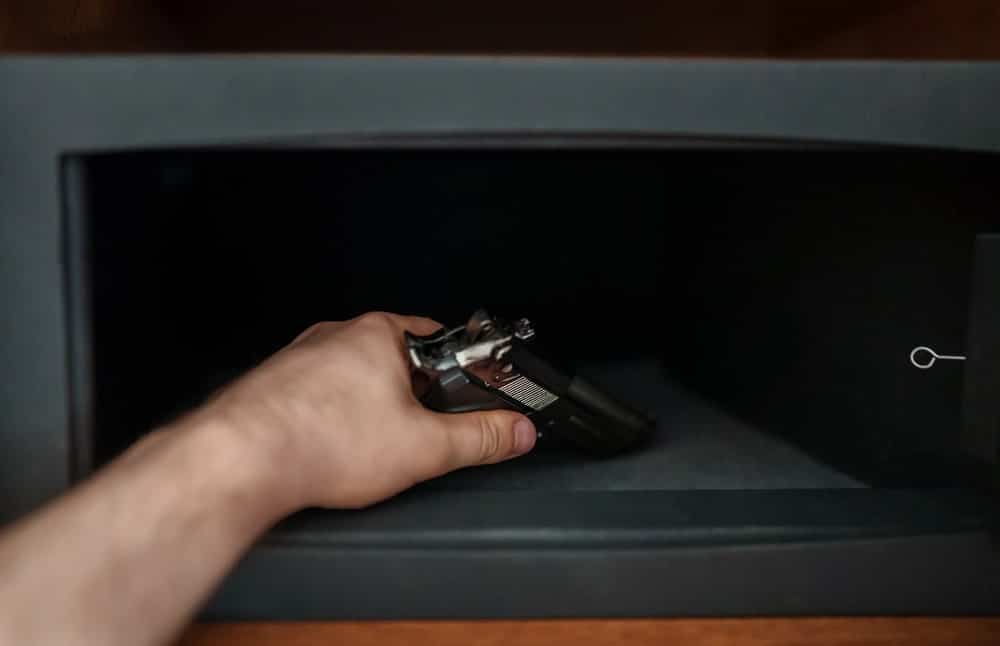

How Domestic Violence Convictions Affect Firearm Rights
A conviction can change firearm access long after court hearings end and daily routines resume. These limits usually begin at sentencing and follow the specific terms set by the judge.
What State Restrictions Usually Cover
Courts may restrict firearms kept at home, inside vehicles, or accessible through shared living spaces. Ammunition follows the same rules, which means both items fall under the same possession limits. The length of these restrictions depends on conviction level and sentencing terms, with some orders lasting longer than others. Court paperwork determines whether access will be restored later or remains restricted.
Why Sentencing Orders Matter
Judges may include firearm limits directly in written sentencing orders, and when they do, those instructions typically take effect once the hearing ends. Some orders require surrender, while others prohibit future possession altogether. Missing or misunderstanding these directions can result in new charges, even without harmful intent. Compliance is measured by the order itself, not personal interpretation.
Where Domestic Violence and Firearm Cases Are Handled
These cases move through the local county court system, where early hearings often shape the start of restrictions. In practice, many people only realize the importance of court location after missing a deadline or misunderstanding a filing requirement.
Local Court Process
Cases are handled through the county system, including proceedings at the Aiken County Courthouse. Bond conditions may require firearm surrender even before a conviction is entered. Sentencing orders then finalize any remaining restrictions once the case concludes. Timelines follow local scheduling practices, which can affect the timing of requirement implementation.
Why Local Procedure Matters
Judges may apply supervision differently across counties, even when charges appear similar. Deadlines and reporting requirements are set locally, so close attention is essential. Missing a local hearing or written order can create serious consequences that extend beyond the original case. Understanding county practice helps people avoid accidental violations while matters remain pending.
Federal Law Can Also Limit Firearm Possession
Even when state law allows firearm ownership, federal rules may impose additional restrictions. Understanding how federal and state regulations interact helps prevent accidental violations and legal complications.
How Federal Rules Apply After Certain Convictions
- In practice, even a misdemeanor domestic violence conviction can trigger federal firearm restrictions, regardless of whether any jail time was imposed.
- This often surprises people because federal rules apply independently and do not disappear simply because state eligibility appears to be restored.
- Federal law generally prohibits firearm possession following a qualifying misdemeanor crime of domestic violence under 18 U.S.C. § 922(g)(9).
Why People Often Get Mixed Messages
- In practice, state approval alone often creates false confidence, even when federal restrictions still apply.
- Background check systems use federal definitions to determine eligibility, which can differ from state criteria.
- Some individuals learn about federal limits only when making a purchase.
- Legal review is often necessary to confirm whether ownership is lawful under both state and federal law.


What Can Happen After a Domestic Violence Conviction
A conviction can create lasting restrictions that reach beyond court fines or probation. Many people realize the impact only after their routines resume.
A Common Situation After a Guilty Plea
A person pleads guilty and assumes firearm rights remain unchanged because no weapon was involved. Weeks later, they learn the conviction itself can restrict possession, including guns already stored at home. This outcome reflects how South Carolina courts apply sentencing authority in domestic violence cases, where firearm restrictions may be imposed based on the conviction itself.
How Courts Typically Look at These Situations
Courts generally focus on whether orders were followed, not on whether a violation was accidental or misunderstood. Honest misunderstandings do not prevent enforcement once orders take effect. Preparation and awareness often shape outcomes, especially when people act quickly after sentencing.


How Court Conditions and Compliance Are Enforced
Court conditions shape daily responsibilities after sentencing and often continue long after hearings conclude. These rules apply to domestic violence cases in South Carolina and vary by the terms of each individual court order.
Ongoing Responsibilities
People must comply with all firearm-related court orders when attending required hearings and scheduled check-ins. During restricted periods, possession of firearms or ammunition is prohibited. Maintaining written proof of compliance helps show good faith when questions arise. These steps become especially important when cases involve different levels of domestic violence charges.
What Happens When Conditions Are Violated
Missed surrender deadlines or possession during restricted periods can trigger new charges. Repeated noncompliance may lead to harsher penalties and fewer future options. Courts respond based on patterns, not isolated explanations or personal assumptions. Early mistakes can affect long-term outcomes tied to domestic violence convictions in SC.
Can Firearm Rights Ever Be Restored
Firearm rights may be restored in certain circumstances, but eligibility depends on both state and federal rules. Understanding the limits and processes at each level helps prevent accidental violations.
State-Level Considerations
- Eligibility depends on the conviction level and case outcome, including whether the offense qualifies for relief under state law and court review.
- Relief is limited and not automatic; it requires formal court review.
- Court records and sentencing language play a key role in determining restoration eligibility.
- Each case requires an individual review to assess potential restoration opportunities.
Federal Limitations
- Federal prohibitions may remain in effect even if state law permits the restoration of rights.
- Federal firearm prohibitions are difficult to remove and usually remain in place unless a conviction is vacated, set aside, or civil rights are restored in a manner that satisfies federal standards.
- Assumptions about eligibility can lead to accidental violations of federal law.
- Written confirmation from legal counsel or the court is essential before possessing firearms again.
Contact an Aiken Domestic Violence Lawyer
Court outcomes can limit firearm and ammunition possession long after fines or probation end. State law permits these restrictions, and federal rules may also apply depending on the conviction classification. These combined requirements often surprise people who expected closure after sentencing.
In Aiken, local court orders and sentencing paperwork guide timelines and compliance expectations. Knowing these rules early helps prevent unintended violations and supports informed decisions about personal rights. Careful attention to court instructions allows people to move forward with clarity and avoid setbacks.
At Johnson, Johnson, Whittle, Lancer & Staggs, we understand how overwhelming these cases can feel from the very beginning. Our experience with South Carolina law enables us to protect your rights and explain each step clearly. Contact us today or call us at (803) 615-1248 to speak with a domestic violence lawyer who understands how these matters move through Aiken courts. Take action now and let our team guide you forward with clarity and care.


