Have you ever wondered what happens when substance use becomes part of a criminal case in South Carolina? A drug court appearance in Aiken is part of a structured program where courts combine treatment with regular judicial supervision that emphasizes both recovery and responsibility. Participants must appear before a judge on a scheduled basis, follow program rules, and show progress through counseling, treatment participation, and routine drug testing.
South Carolina law allows courts to operate specialized programs that address criminal behavior related to substance use while keeping the case under judicial oversight. South Carolina law establishes a statewide drug treatment court program and allows courts to supervise treatment while a case moves forward, as outlined in South Carolina Code § 17-26-40.
These early hearings often move faster than people expect once a case begins. Filing requirements, treatment evaluations, and supervision conditions may start soon after the first hearing in Aiken County courts. A skilled Aiken drug crimes lawyer can help individuals prepare for these early steps, organize important records, and understand how participation in treatment court may influence the direction of the case.
Key Takeaways
- Drug treatment court in Aiken combines structured treatment, regular supervision, and judicial oversight for cases involving substance use.
- The first court appearance introduces program rules, treatment requirements, and future hearing schedules that participants must follow.
- Hearings usually take place through the Second Judicial Circuit at the Aiken County Courthouse.
- Participants must attend treatment, complete testing, and return to court regularly to show progress and compliance.


What South Carolina Drug Court is Designed To Do
South Carolina drug treatment courts were created to address criminal cases connected to substance use while still maintaining judicial supervision. These programs combine treatment participation with structured court oversight so recovery and accountability develop together.
Purpose Of Drug Treatment Court
Drug treatment courts address criminal behavior that is closely tied to substance use rather than treating the case through punishment alone. Participants must attend counseling, follow treatment plans, and return to court regularly so the judge can review progress. This structure allows recovery efforts to move forward while the court continues monitoring responsibility and compliance.
How Drug Court Differs From Traditional Criminal Court
Drug treatment court operates differently from traditional criminal proceedings because the process focuses on treatment participation and behavioral progress. Judges often speak directly with participants during review hearings and discuss how treatment is progressing. Instead of lengthy legal arguments, the discussion usually centers on progress, challenges, and the next steps toward stability.
Where Drug Court Hearings for Aiken Participants Are Handled
Drug treatment court participants from Aiken County move through the local circuit court structure while completing treatment requirements. Program supervision and hearings are coordinated through the Aiken County court system.
Court Structure Serving Aiken County
- Aiken County operates within South Carolina’s Second Judicial Circuit, which oversees criminal proceedings and specialized court programs.
- Drug treatment court matters are coordinated through this circuit structure to keep supervision consistent throughout the program.
- Participants may attend hearings at the Aiken County Courthouse.
- Court sessions and progress reviews are conducted there as participants move through treatment requirements.
How Drug Court Reviews Work for Aiken Participants
- Participants from Aiken typically report to the courthouse where treatment court hearings are coordinated through the local judicial circuit.
- Court teams often include prosecutors, treatment professionals, and supervision staff who review each participant’s progress.
- These teams evaluate treatment updates and compliance during scheduled court sessions.
- Program expectations usually follow procedures established by the Second Judicial Circuit treatment court program.
Who Is Present at the First Drug Court Appearance
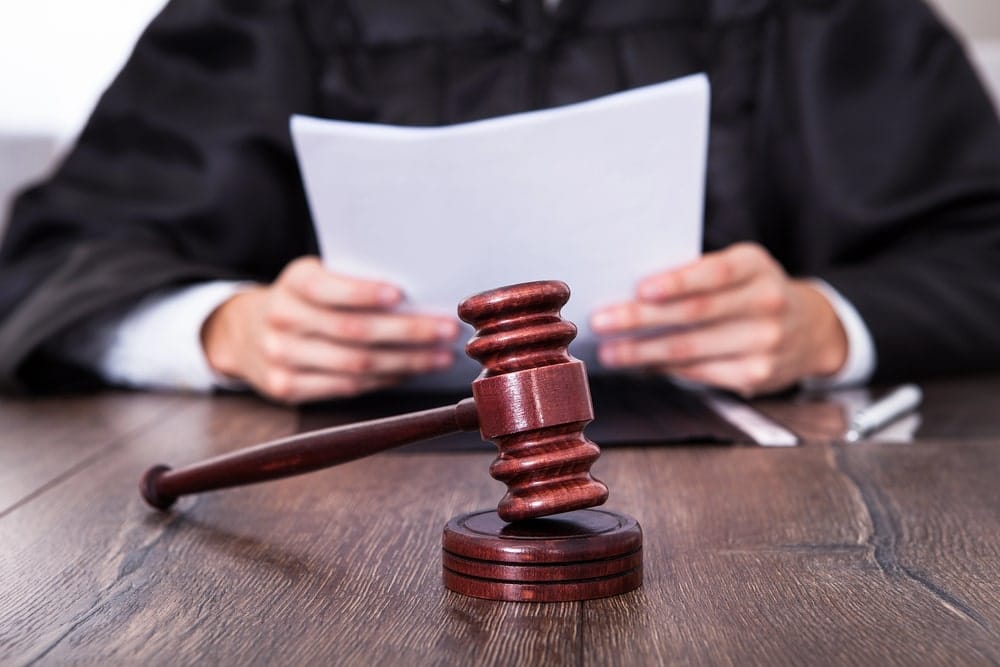
The first drug court appearance brings several professionals together to review the case and explain program expectations. Each person in the courtroom plays a role in guiding the participant through the treatment court process.
The Judge and Drug Court Team
The judge leads the program and monitors participants’ adherence to treatment plans and court requirements. Prosecutors, defense attorneys, probation officers, and treatment providers may also present updates about compliance or treatment progress. Court staff helps coordinate testing schedules, treatment appointments, and program participation to keep the process organized.
The Participant’s Role at the First Appearance
Participants are expected to arrive on time and follow courtroom procedures carefully during their first appearance. The hearing usually includes instructions about treatment participation, reporting schedules, and upcoming court dates. Showing readiness to follow program rules helps demonstrate cooperation as the treatment court process begins.

What Happens During the First Drug Court Hearing
The first drug court hearing introduces participants to the program’s structure and expectations. It also begins the court’s supervision process as treatment participation moves forward.
Hearing Structure and Initial Court Review
During the first hearing, the judge explains the purpose of the treatment-focused program and how the court will supervise progress. Participants receive information on treatment participation, drug testing schedules, and supervision requirements. The court also reviews future hearing dates and explains how ongoing compliance will be monitored.
Legal Authority Behind the Hearing
South Carolina law allows courts to supervise participants through structured treatment programs when substance use is linked to criminal behavior. Local treatment courts operate within a statewide legal framework that supports judicial oversight of treatment participation. This authority allows courts to manage and supervise local treatment court programs.
Expectations Participants Must Follow After the First Appearance
After the first appearance, participants must follow program rules while continuing treatment and supervision. These expectations help the court monitor recovery and maintain accountability throughout the program.
Ongoing Program Responsibilities
In practice, many participants find the first few review hearings move quickly because treatment schedules and reporting requirements begin immediately. Participants must return to court for scheduled progress hearings where the judge reviews treatment participation and overall compliance.
How the Court Responds to Violations
If a participant misses treatment sessions or fails a required drug test, the issue is reviewed during the next court hearing. Judges may respond with warnings, added supervision requirements, or other sanctions that encourage compliance. When noncompliance continues, the court may remove the participant from the treatment court program.


How Judges Often Address Early Issues in Drug Court
Early challenges sometimes arise as participants adjust to treatment schedules and court supervision. Judges review these situations carefully while encouraging accountability and continued progress.
When a Participant Appears After a Minor Setback
A participant may appear in court after missing a counseling session due to a work schedule conflict. The judge may review attendance records and recent test results to understand the situation. The court then considers the participant’s overall compliance before deciding on a response.
How Courts Typically Evaluate Situations Like This
Judges often distinguish between an isolated mistake and a pattern of repeated noncompliance. Consistent attendance, preparation, and honest communication often influence how the court views the situation. Early participation and transparency can shape how future hearings and supervision decisions unfold.
Get Legal Help From a Drug Crimes Lawyer
A first drug court appearance in Aiken is structured, direct, and centered on accountability rather than courtroom argument. Judges explain treatment expectations, review supervision requirements, and outline how progress will be monitored through future hearings. Because these programs operate within local judicial circuits, Aiken procedures reflect those of the Second Judicial Circuit treatment court program.
Understanding how the first hearing works helps participants avoid early confusion and missed obligations. Preparation, honest communication, and careful attention to court instructions often influence how the program progresses. An experienced drug possession lawyer in Aiken can help participants understand court expectations, organize required records, and prepare for each stage of the treatment court process.
At Aiken Attorneys, we understand how confusing the drug court process can feel, especially during the first hearings, when expectations and deadlines can come quickly. Our team reviews court procedures, clearly explains program requirements, and helps protect your rights throughout treatment court supervision. Contact us today or call (803) 649-5338 to speak with our drug crimes lawyers who understand how drug court cases are handled in Aiken County.


