Imagine driving down a familiar road when a massive commercial truck suddenly changes everything. These crashes are far more complex than typical collisions, and understanding how truck accidents differ from car accidents is critical for injured victims. The size, weight, and purpose of commercial vehicles create risks that standard passenger cars do not.
Truck accidents differ from car accidents in South Carolina because commercial vehicles operate within regulated business activities. These cases often involve multiple parties connected to driving, maintenance, or cargo handling. That added responsibility changes how injuries are evaluated and how claims are investigated.
While filing deadlines still apply, truck accident claims require deeper legal analysis and more substantial evidence. Most injury actions must be filed within three years under S.C. Code Ann. § 15-3-530(5). Speaking with an Aiken truck accident lawyer helps victims understand their rights and navigate this complex process.
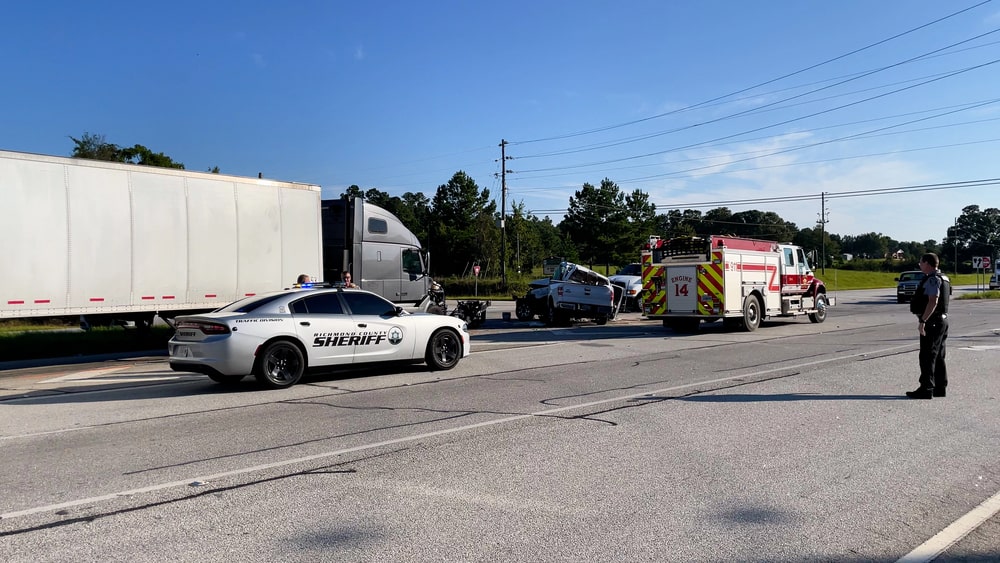
Crash Dynamics Are Different in Truck Accidents
Truck crashes involve physical forces that differ significantly from standard vehicle collisions. These differences influence how accidents occur and why the resulting damage is often more severe.
Size and Weight Affect Collision Forces
Commercial trucks weigh substantially more than passenger vehicles, which changes how impact force is transferred during a crash. Greater mass increases momentum, causing smaller vehicles to absorb more energy on impact. Height and frame differences also influence where force is concentrated. These structural factors raise the risk of serious injuries.
Collision Patterns More Common in Truck Crashes
Specific crash patterns appear more often when large trucks are involved in collisions. Events like underride, jackknife, and rollover can block multiple lanes and affect surrounding traffic. These crashes frequently involve numerous vehicles and extended impact zones. Cargo movement can further disrupt stability after the initial collision.
Injury Patterns Often Differ From Typical Car Accidents
Truck collisions often result in different and more severe injury patterns compared to typical passenger-vehicle crashes. Understanding these differences helps assess medical needs, recovery time, and potential legal claims.
Greater Likelihood of Serious Physical Harm
- Truck collisions often involve high-force impacts due to significant size and weight differences.
- These forces increase the risk of severe trauma, including fractures, internal injuries, and head trauma.
- Emergency medical response and hospitalization are more commonly required following truck crashes.
- High-impact injuries may require specialized care and monitoring to prevent long-term complications.
Longer Recovery and Functional Impact
- Injuries from truck crashes frequently require extended treatment, therapy, and rehabilitation.
- Recovery periods can be longer due to the severity of forces and complexity of injury.
- Physical limitations following a truck accident can affect daily activities, employment, and overall quality of life.
- Proper medical documentation supports both recovery planning and potential personal injury claims.

Responsibility is Often Broader Than in Car Accidents
Truck accident cases often involve wider responsibility than standard vehicle collisions. This broader scope changes how fault is examined and how claims are built.
Multiple Parties May Be Involved
Car accident claims usually focus on the actions of one or more drivers involved in the crash. Truck accidents may include parties connected to the vehicle, trailer, or cargo handling. Responsibility can extend beyond the driver to those controlling operations. Ownership and control roles often shape liability assignment.
Business Activity Can Affect Responsibility
Truck drivers are often performing work duties when a crash occurs. Business practices such as maintenance schedules and driver oversight may become legally relevant. Company records can reveal how the vehicle was maintained or operated. These details often influence how responsibility is determined.
Fault Allocation Is More Complex Than in Car Accidents
Determining fault in truck accident cases often requires a more detailed legal analysis. Multiple contributing factors can affect how responsibility is assigned.
Apportionment Among Multiple Parties
Truck accident claims frequently involve more than one responsible party. Under S.C. Code Ann. § 15-38-15, fault may be divided among those involved. Evidence is reviewed to determine each party’s share of responsibility. Liability is rarely assigned to a single actor alone.
Disputes Over Causation
Truck accident cases often involve disagreements about the cause of the collision. Mechanical condition, driver actions, and roadway factors may all be examined. Each party may argue that another factor caused the crash. Establishing causation usually requires a broader factual investigation.
Evidence Considerations Are More Extensive
Truck accident cases often require more detailed evidence than typical passenger-vehicle crashes. Early collection and preservation of records are critical to establishing liability and supporting injury claims.
Records Related to Commercial Vehicles
- Truck cases may involve detailed records related to vehicle operation, maintenance, and inspections.
- Documentation can include driver logs, inspection reports, maintenance histories, and condition assessments.
- These materials help determine how the truck was operated and whether proper safety protocols were followed.
- Accurate records are essential for understanding potential mechanical failures or operator negligence.
Practical Challenges in Evidence Preservation
- Commercial vehicles often return to service quickly after a crash, which can limit the retention of evidence.
- Routine business practices may result in the deletion or archiving of critical records.
- Early collection and documentation help preserve information relevant to collision analysis and liability.
- Working with experienced investigators ensures that evidence is gathered comprehensively and on time.

Commercial Vehicle Classification Affects Legal Analysis
Commercial vehicle status changes how truck accident cases are reviewed under South Carolina law. This classification influences which legal standards apply to the vehicle and its operation.
How South Carolina Classifies Commercial Vehicles
South Carolina law distinguishes commercial motor vehicles from private passenger vehicles. Under S.C. Code Ann. § 56-1-2030, classification depends on weight, passenger capacity, or hazardous materials transport. These factors separate commercial vehicles from non-commercial use. This legal distinction shapes how truck accidents are analyzed.
Why Classification Matters in Truck Accident Cases
Vehicle classification affects how a collision is legally evaluated. Commercial status determines which operational rules and safety standards apply. This distinction helps identify responsible parties connected to vehicle operation. It also influences how evidence and liability are assessed.
Conclusion
Truck accidents differ from car accidents in South Carolina due to the size, dynamics, and commercial nature of the vehicles involved. These cases demand deeper investigation and careful evaluation of evidence and responsibility. Understanding these differences helps injured individuals make informed decisions after serious collisions.
Legal deadlines still apply, but fault analysis is often more detailed and demanding. Multiple factors may influence the assessment of responsibility and damages. Careful review ensures claims are handled accurately and fairly.
At Aiken Attorneys, we understand how overwhelming a serious truck accident can be for injured victims and their families. These cases involve complex legal and factual issues that require careful handling from the start. Our Aiken truck crash lawyers are prepared to review your situation, protect your rights, and pursue the compensation you deserve. Contact us or call us today at (803) 649-5338 to schedule a free consultation and take the next step forward with confidence.