Refusing a breath, blood, or urine test after a DUI stop can trigger an immediate license suspension after DUI refusal in South Carolina, leaving many drivers shocked before they even understand what happened. This suspension begins the moment an officer marks the refusal under the state’s implied consent laws. The consequences start fast, which is why knowing your rights from the first moment matters.
The suspension process moves through the DMV instead of the criminal court, which often confuses people facing both issues at once. These two tracks operate independently, yet each one can affect the outcome of the other. Understanding this structure helps drivers take the right steps early.
The following guide breaks down what qualifies as a refusal, how long a suspension can last, and what options exist to challenge the action through a DMV hearing. It also explains the availability of temporary driving privileges and the role of ADSAP in getting back on the road. With a knowledgeable DUI lawyer in Aiken SC by your side, you can navigate each step with clarity and confidence.


What Counts as a DUI Refusal in South Carolina?
A DUI refusal occurs when a driver does not follow the testing requirements outlined in South Carolina’s implied consent laws. Under S.C. Code Ann. § 56-5-2950, several actions qualify as a legal refusal during a DUI investigation.
How Implied Consent Applies
Implied consent means every licensed driver agrees to testing after a lawful arrest. Officers must clearly explain the testing process and the consequences of refusing. They must also document the advisement to ensure the procedure is legally valid.
Actions That Legally Count as a Refusal
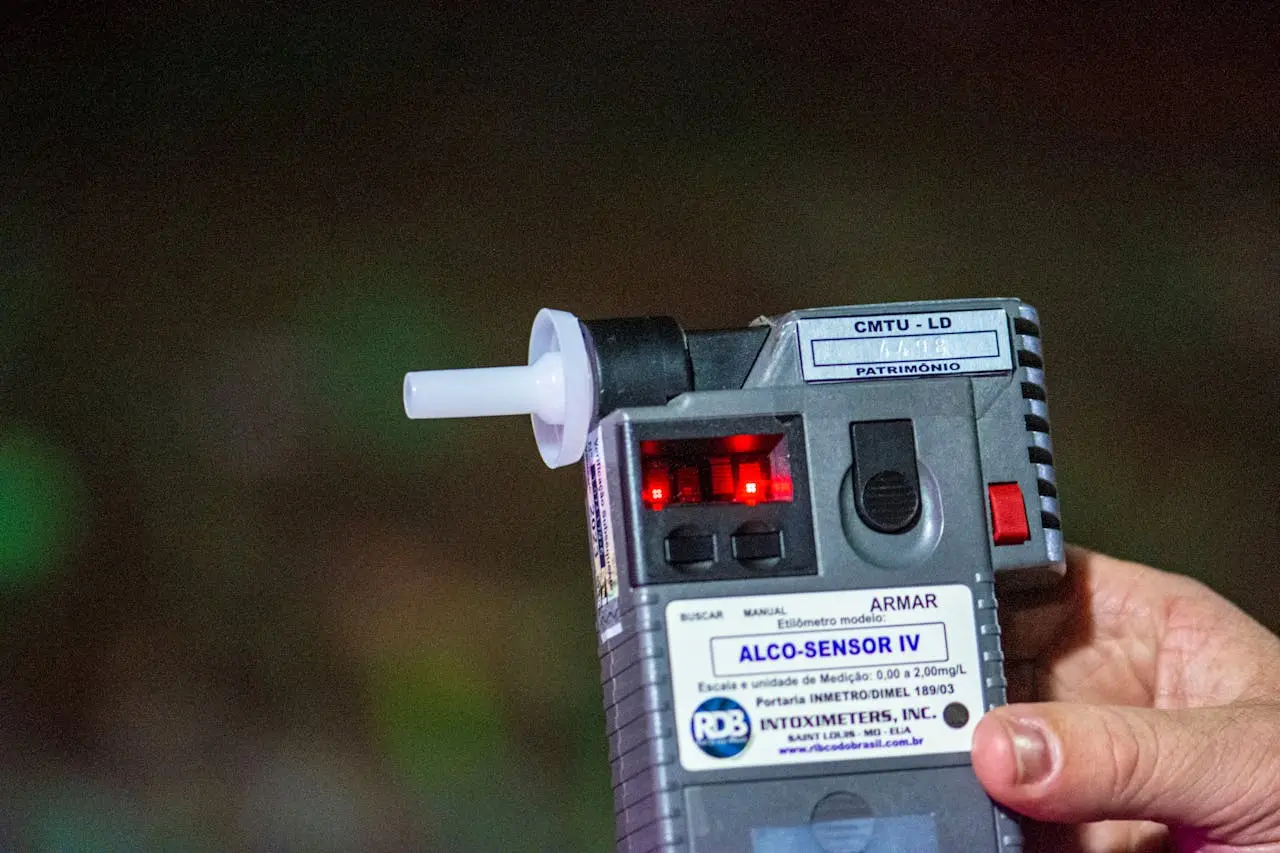
A refusal includes verbally declining or staying silent when asked to take a test. It also includes delaying beyond the allowed time or not giving a proper breath sample. Refusing blood or urine testing when requested qualifies as a refusal as well.
Immediate Consequences After a Test Refusal
A test refusal triggers fast and mandatory actions under South Carolina’s implied consent laws. These consequences begin before any court hearing and can affect daily life immediately.
Instant License Confiscation
The officer takes your physical license at the scene as soon as the refusal is recorded. A Notice of Suspension is issued on the spot and explains the next steps you must follow. The suspension begins the moment the notice is handed to you.
Administrative Suspension Separate From Criminal Court
The suspension is processed by the South Carolina DMV and does not involve the criminal judge. Your criminal DUI case continues on a separate track and does not stop the administrative action. With guidance from DUI lawyers in Aiken, you can challenge the suspension through an OMVH hearing if you act quickly.
How Long a Refusal Suspension Lasts
First-Offense Refusal – Six Months
A first refusal leads to a shorter suspension, but key requirements still apply.
- The six-month suspension applies only if you have no DUI convictions or implied-consent suspensions within the past 10 years.
- ADSAP completion is required before your license can be reinstated, even after the suspension ends.
- You may challenge the refusal suspension through an administrative hearing, which must be requested quickly.
Longer Suspensions for Repeat Offenses
Penalties increase sharply when refusals or DUIs occur more than once.
- A second refusal can result in a nine-month suspension, reflecting heightened risk.
- A third refusal may extend the suspension to 12 months, and four or more can reach up to 15 months.
- Prior DUI convictions or previous refusals directly increase the length of each subsequent penalty.
Requesting an Administrative Hearing
A driver has the right to challenge an implied consent suspension through a formal review process. Under S.C. Code Ann. § 56-5-2951, this hearing determines whether the officer followed proper procedures during the arrest and testing request.
Mandatory 30-Day Filing Deadline
A hearing request must be submitted within thirty days of receiving the Notice of Suspension. Missing this deadline makes the suspension final with no option to challenge it later. Filing the request pauses the suspension until the hearing officer issues a decision.
Temporary Alcohol License (TAL)
A Temporary Alcohol License becomes available after the hearing request is filed. This license allows unrestricted driving in South Carolina while the review is still pending. It remains valid only until the hearing officer releases a final ruling, which is when it automatically expires.
Limited Driving Options After a Refusal Suspension
Drivers facing a refusal suspension may still qualify for limited ways to stay on the road during this period. These options depend on eligibility rules and often require strict compliance with state monitoring requirements.
Ignition Interlock Restricted License
This option allows driving during the suspension period as long as an IID is installed and maintained. It is often available once the suspension has been formally upheld. These licenses offer broad driving privileges under continuous monitoring to ensure safe and lawful operation.
Route-Restricted License (Limited Situations)
This license permits travel only for work, school, ADSAP sessions, or essential medical appointments. It is typically available just once in a lifetime for qualifying drivers. Some applicants may also need to serve part of the suspension before this option becomes available.
ADSAP and Reinstating Full Driving Privileges
Mandatory ADSAP Enrollment
South Carolina requires all drivers with a refusal suspension to complete the Alcohol and Drug Safety Action Program before regaining full driving privileges.
- Enrollment in ADSAP is mandatory once the refusal suspension begins.
- The program includes an initial assessment, followed by education sessions and treatment if recommended.
- The DMV will not approve full reinstatement until ADSAP enrollment is confirmed and all required components are underway.
Completing All Reinstatement Requirements
Finishing ADSAP is only one part of the reinstatement process.
- Drivers must complete ADSAP in full and pay all applicable reinstatement fees.
- Any ignition interlock requirement tied to prior offenses or risk classifications must be completed.
- All conditions must be satisfied before the DMV restores full driving privileges, and delays in one step can postpone reinstatement.


How a DUI Refusal Affects the Criminal DUI Case
Refusing a chemical test can influence the criminal case that follows a DUI arrest and prosecutors may use the refusal as part of their evidence. Drivers often learn that the administrative process and the criminal case move forward independently.
Refusal as Evidence of Impairment
Prosecutors may claim the refusal shows the driver wished to avoid a test result. Officers also describe behavior, observations, and field tests to support their case. A refusal does not prevent the state from pursuing a conviction.
Additional Penalties If Convicted of DUI
A DUI conviction can add a separate suspension period to the existing refusal penalty. The court may also require ignition interlock as part of sentencing. These penalties operate independently, which means the consequences can stack.
Conclusion
A DUI test refusal in South Carolina creates fast consequences because the suspension begins the moment the officer issues the notice. Acting quickly is important because the 30-day filing deadline determines whether the driver can challenge the action. These early steps guide how the case unfolds and what options remain available.
Drivers also rely on limited alternatives to keep driving while the case continues through the proper channels. Temporary licenses and monitored driving programs help maintain daily responsibilities during the suspension period. With support from skilled DUI defense lawyers in Aiken, drivers can move forward with clarity and confidence.
At Aiken Attorneys, we know how overwhelming a DUI refusal case in South Carolina can feel, especially when your license is taken on the spot. Our team is here to explain your options, protect your rights, and guide you through every step of the process. Contact us today or call us at (803) 649-5338 to speak with a dedicated attorney and get the support you need right away.


