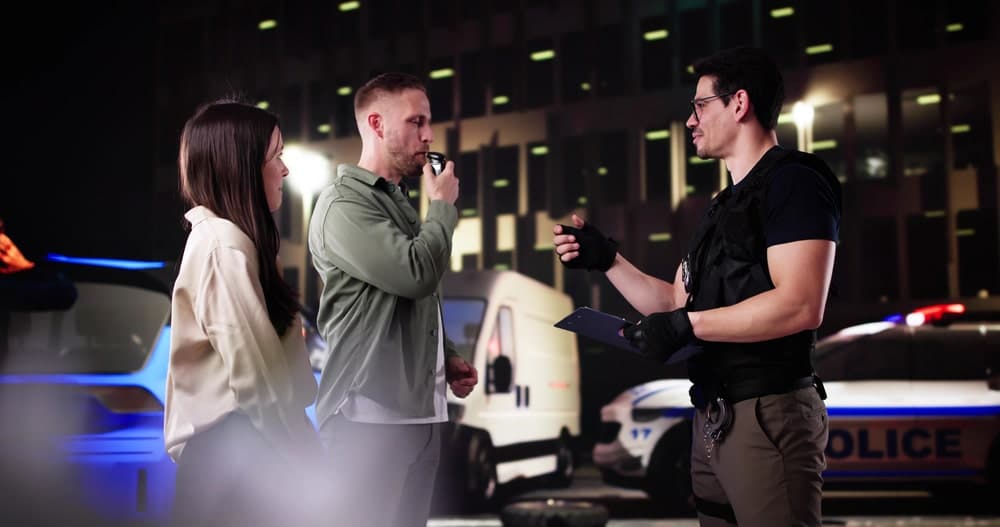
Blue lights flash in your rearview mirror as you pull over, unsure whether a minor driving mistake or something more serious led to the stop. As the officer approaches and begins asking questions, the situation can quickly shift from routine to uncertain, especially during DUI stops in Aiken when signs of impairment are being assessed.
What starts as a brief roadside interaction often develops step by step as the officer gathers details and forms conclusions based on what they see and hear. An arrest does not depend on a single factor but on a combination of observations that must meet a legal standard before charges are brought.
The Fourth Amendment to the United States Constitution protects individuals from unreasonable searches and seizures, requiring officers to base a traffic stop or arrest on specific legal standards rather than assumptions. In Aiken, these protections work alongside state law to determine whether probable cause existed at the time of the arrest. An experienced DUI lawyer in Aiken can review each step of the stop to determine whether those legal requirements were properly met.
Key Takeaways
- Probable cause in Aiken DUI cases requires clear, consistent observations showing impairment, not just initial suspicion.
- Officers establish probable cause based on driving behavior, physical signs, and performance during roadside interactions.
- Courts review whether multiple indicators support the arrest rather than relying on a single observation.
- Weak or inconsistent evidence may allow a probable cause challenge and affect how the case proceeds.

What Probable Cause Means in DUI Investigations
Probable cause allows an officer to make an arrest when observed facts reasonably point toward impairment. It focuses on whether the situation supports a clear and objective belief, not just a possibility.
How Probable Cause Differs From Initial Suspicion
A stop often begins with reasonable suspicion based on observed driving behavior or a traffic issue, which allows further investigation but not an arrest. As the interaction continues, the officer gathers additional details that either support or weaken that initial concern. Probable cause requires stronger, consistent indicators that show impairment is likely, not just possible.
What Officers Must Show To Establish Probable Cause
Officers must point to clear and consistent signs observed during the stop that, when viewed together, suggest impairment. These observations should form a logical pattern rather than rely on a single isolated detail or impression. The decision must be based on facts that would lead a reasonable officer to reach the same conclusion.
Driving Behavior That Leads to DUI Stops in Aiken
Certain driving patterns often draw attention because they suggest a possible safety concern on the road. These early observations can lead to a stop when an officer believes further review is necessary.
Patterns That Trigger Initial Police Attention
- Officers may notice swerving, drifting, or sudden changes in speed that appear inconsistent with normal driving.
- Delayed reactions at traffic signals or hesitation during routine maneuvers can raise concern.
- Difficulty maintaining a steady lane position over time may suggest a lack of control.
- Together, these patterns can indicate a potential issue rather than a brief driving mistake.
Violations That Provide a Legal Basis for a Stop
- Traffic violations can provide a clear and lawful reason for initiating a stop.
- Actions such as failing to signal, making improper turns, or running stop signs or red lights are commonly observed.
- Equipment issues, including broken headlights or other visible defects, may also justify a stop.
- These violations allow officers to begin a traffic stop under applicable laws.

Evidence That Builds Toward Probable Cause
Once a stop occurs, officers begin gathering details that either confirm or weaken their initial concerns. When viewed together, these observations help determine whether there is enough evidence to justify moving forward with an arrest.
Observations During the Traffic Stop
During the interaction, officers may notice slurred speech, poor coordination, or signs of confusion that affect communication. The odor of alcohol or visible impairment can further shape how the situation is assessed in real time. Difficulty following simple instructions may also raise concern, especially when it appears alongside other indicators.
Indicators That Strengthen an Arrest Decision
Additional indicators can strengthen the decision to move forward, especially when they reinforce earlier observations made during the stop. Performance on field sobriety tests often plays a role, along with inconsistent answers or statements that raise further questions. In many cases, the decision relies on how these factors connect rather than on a single detail.
How South Carolina Law Defines DUI and Supports Arrest Decisions
State law sets the framework that guides how officers and courts evaluate impairment during a DUI investigation. These standards help determine whether the facts observed during a stop support moving forward with an arrest.
Legal Standard for Driving Under the Influence
South Carolina law treats driving as unlawful when alcohol or drugs affect the ability to operate a vehicle safely. The focus remains on how a person functions behind the wheel, not simply whether alcohol is present. This approach allows officers to consider behavior, coordination, and overall control when assessing the situation.
How Courts Use This Standard To Evaluate Probable Cause
Under South Carolina Code § 56-5-2930, DUI offenses are defined based on impairment that affects safe driving ability. Courts review whether the behavior observed during the stop aligns with this standard and supports the officer’s decision. This evaluation focuses on how the facts fit within the legal definition rather than relying on isolated details.
How Courts in Aiken Review Probable Cause in DUI Cases
Courts in Aiken County review each arrest by examining how the officer reached the decision based on observed facts. These cases are typically handled through the Aiken County Magistrate Court, where judges assess whether probable cause existed at the time of the arrest. This process focuses on whether the evidence supports a reasonable conclusion rather than a general assumption.
What Judges Look for When Evaluating an Arrest
- Judges consider whether multiple indicators of impairment were present rather than relying on a single detail.
- They review how officer reports align with recorded evidence, such as video or audio from the scene.
- Consistency across these sources plays an important role in how the case is evaluated.
- This review helps determine whether the arrest was supported by sufficient facts.
How Local Conditions Can Influence Case Evaluation
- Local conditions around Aiken can influence how driving behavior is interpreted during a stop.
- Traffic flow, road layout, and time of day can shape how actions appear in context.
- Evening stops or congested areas may lead to closer review of certain driving patterns.
- These factors help courts understand the situation more fully and realistically.

When Probable Cause May Be Challenged in Court
Not every arrest meets the legal standard required to support it, and courts closely examine how the decision was made. When the facts appear incomplete or unclear, the basis for the arrest may be called into question.
Situations Where Evidence Is Not Strong Enough
Cases may raise concerns when the observed behavior is minimal or limited to a single, isolated action. A lack of consistent signs during the interaction can make it difficult to show a clear pattern. Observations that do not strongly point toward impairment often leave room for doubt.
How Minor Driving Behavior Can Lead to Legal Disputes
A brief moment, such as drifting within a lane without crossing the markings, may draw attention but not warrant further action. If the stop escalates while evidence remains limited, questions often arise about how the situation progressed. Courts then look closely at whether the available facts justified each step taken during the encounter.
Get Legal Help from a DUI Lawyer in Aiken
Probable cause forms the foundation of a DUI arrest and determines whether a case can proceed in court. While a stop may begin with limited suspicion, officers must gather enough evidence to justify an arrest. In Aiken, courts closely examine whether those observations show clear and consistent signs of impairment.
Understanding how probable cause develops helps drivers recognize when an arrest may be challenged. When the evidence does not fully support the decision, the case may be subject to closer review. An experienced lawyer can evaluate each step and determine whether proper legal standards were followed.
At Johnson, Johnson, Whittle, Lancer & Staggs, we understand how uncertain a DUI arrest can feel, especially when questions about probable cause begin to affect your case. Our team takes the time to review every detail, explain your options clearly, and protect your rights throughout the process. Contact us today or call (803) 615-1248 to speak with an experienced Aiken DUI lawyer who can assess your situation and guide your next steps with confidence.


