Imagine losing your driver’s license, your college plans, and your future opportunities over one mistake. That is the reality many young drivers face under South Carolina’s zero-tolerance policy for anyone under 21 who is caught with even a small amount of alcohol in their system. A blood alcohol level of just 0.02 percent can trigger underage DUI penalties that follow you for years.
These penalties begin immediately and can include both administrative and criminal consequences. You may face a sudden license suspension before your case even reaches court for DUI in South Carolina. Judges may also order fines, probation, and alcohol education programs that affect school, work, and daily life.
This guide explains how SC DUI laws treat underage DUI cases and what legal options are available. You will learn about license suspensions, breath test refusals, ignition interlock requirements, and ADSAP. Most importantly, you will see how an experienced Aiken DUI lawyer can protect your record, your future, and your rights.
What Counts as Underage DUI in South Carolina?
South Carolina treats underage drinking and driving as a serious offense, even without a crash or injury. Any driver under 21 who has consumed alcohol may face legal action. Early legal guidance can help protect a young driver’s rights before penalties escalate.
Zero-Tolerance BAC Standard
A driver under 21 with a blood alcohol concentration of 0.02 percent or higher can face penalties. The state uses this strict limit to discourage any drinking before driving. It also prevents drivers from avoiding consequences by claiming minimal alcohol use.
DUI vs. DUAC vs. Zero Tolerance
Zero-tolerance violations result in administrative penalties handled through the South Carolina DMV. A BAC of 0.08 percent or signs of impairment can also lead to criminal charges. Depending on the evidence, officers may charge a driver with DUI or DUAC.
What Officers Look For
Police look for signs of impairment before making a traffic stop. Common indicators include swerving, speeding, or delayed reactions. Officers also document red eyes, alcohol odor, and field sobriety test performance as evidence.

Underage DUI Penalties in South Carolina
South Carolina enforces strict consequences for drivers under 21 who violate zero-tolerance laws. Penalties begin immediately and can affect education, employment, insurance rates, and future opportunities. A driver can face punishment even without a prior record or criminal conviction.
Administrative License Suspensions
For a BAC of 0.02 percent or higher, the DMV imposes an automatic suspension:
- First offense: 3-month license suspension
- Second offense within 3 years: 6-month suspension
These penalties are administrative in nature and apply even without a criminal conviction for DUI in South Carolina.
Criminal Penalties for DUI/DUAC
- Penalties increase based on BAC level and case details
- Courts may order fines, probation, ignition interlock, and alcohol education
- A DUI or DUAC conviction cannot be expunged under state law
School and Employment Consequences
- Loss of college scholarships or campus driving privileges
- University disciplinary action or suspension
- Job applications denied due to alcohol-related offenses or license suspension
Test Refusal and Implied Consent
South Carolina follows an implied consent law for all licensed drivers who use public roads. This means drivers agree to chemical testing if officers suspect impairment. Refusing a test creates additional penalties separate from any DUI charge.
How Refusal Affects Your License
Refusing a breath test triggers an automatic license suspension through the DMV. A first refusal leads to a six-month suspension, while a second within three years brings a one-year suspension. These penalties apply even if criminal charges are dismissed or reduced.
Evidence Impact of Refusal
A test refusal does not prevent prosecutors from building a case. They may argue that a driver refused testing to hide alcohol use. Judges can also consider a refusal during sentencing and view it as a negative factor.
Your Right to a Hearing
Drivers have the right to challenge a refusal-based suspension. A hearing must be requested within 30 days to contest the action. Filing on time may allow eligibility for a Temporary Alcohol License while the case moves forward.
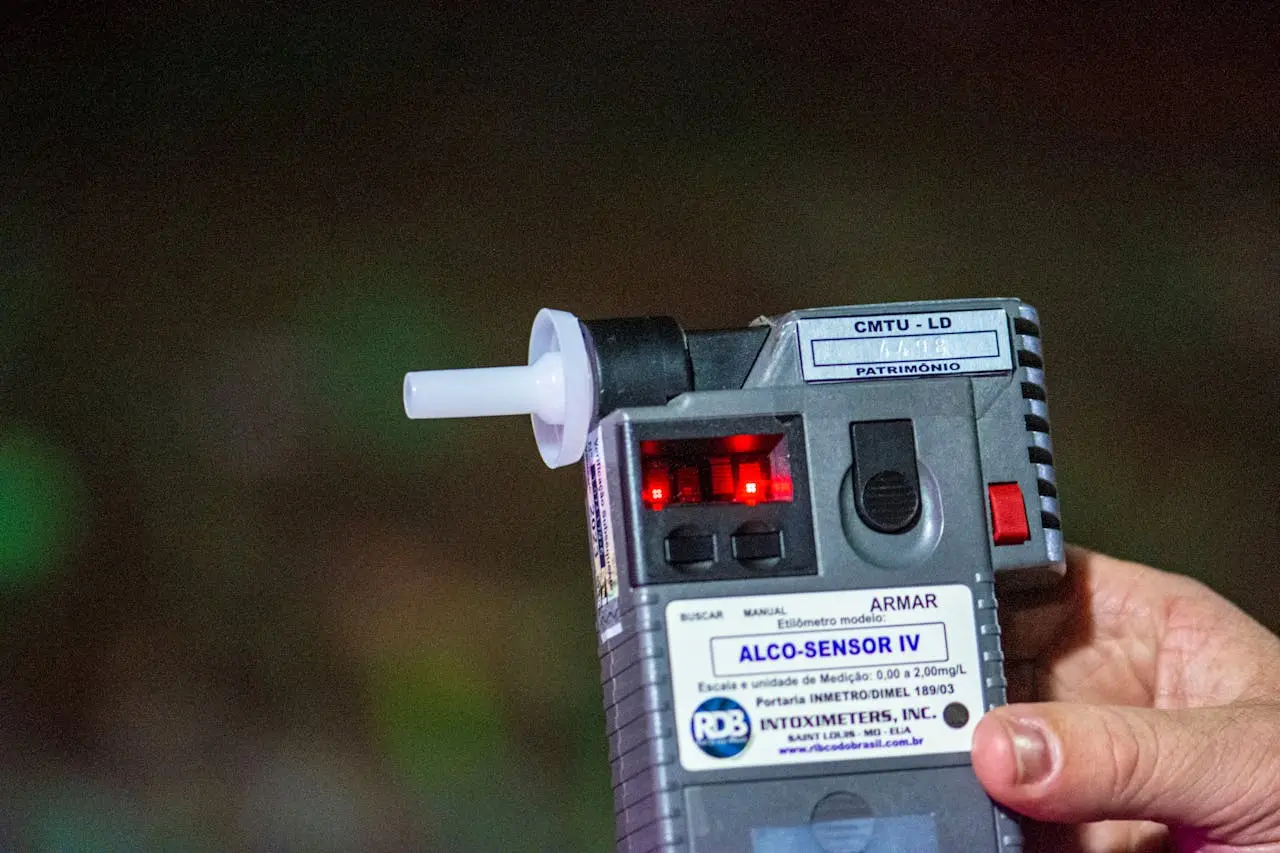
Ignition Interlock Device and ADSAP Requirements
South Carolina requires some underage drivers to complete safety programs before regaining driving privileges. These conditions apply even when a DUI charge is reduced or dismissed. Failing to meet program requirements leads to longer suspensions and stricter restrictions.
When IID Is Required
An Ignition Interlock Device may be required after a DUI suspension or a chemical test refusal. Courts and the DMV can order IID installation even for a first offense. Drivers must install the device before receiving any restricted license.
IID Conditions
IID programs come with strict monitoring rules. Drivers must provide clean breath samples and avoid any attempt to bypass the device. Violations can extend IID requirements and delay license reinstatement.
ADSAP Enrollment
The Alcohol and Drug Safety Action Program is often mandatory for license reinstatement. ADSAP evaluates alcohol risk and assigns education or treatment. Missing program deadlines leads to longer suspensions and additional penalties.
Defending Underage DUI Cases
A strong defense can prevent criminal charges from turning into lifelong consequences. Defense strategies challenge the legality of the stop, testing procedures, and officer credibility. Early legal representation helps protect your rights and preserves important evidence.
Challenging Traffic Stops
Police must have reasonable suspicion before stopping a vehicle. Stops based on vague claims or improper checkpoints may be ruled unlawful. When a stop is illegal, key evidence can be removed from the case.
Video Evidence and Testing Errors
South Carolina requires DUI investigations and breath tests to be recorded on video. Missing or incomplete video footage weakens the prosecution’s case. Faulty testing equipment or procedural mistakes may also result in reduced charges.
Mitigation Strategies
Some cases focus on reducing penalties when dismissal is unlikely. Defense attorneys may negotiate for reckless driving, diversion programs, or limited suspensions. This approach helps protect education, employment, and future opportunities.

Long-Term Consequences and License Reinstatement
An underage DUI affects far more than driving privileges because the impact continues for years. Young drivers often face higher insurance costs, financial penalties, and long-term record problems that follow them into adulthood.
Insurance and SR-22 Filing
An underage DUI leads to a sharp increase in insurance rates. Drivers must:
- File SR-22 insurance for several years
- Maintain continuous coverage without lapses
- Avoid missing renewals, which can trigger another suspension
Criminal Record Impact
- A DUI conviction cannot be expunged in South Carolina
- It may block college admissions and financial aid
- Military and government careers often reject applicants with alcohol offenses
Steps to Reinstate Driving Privileges
Before a license is restored, drivers must:
- Pay all DMV reinstatement fees
- Complete ADSAP (Alcohol and Drug Safety Action Program)
- Install an Ignition Interlock Device (IID) if required
Many families work with a DUI lawyer to prevent delays and protect future opportunities.
Conclusion
Underage DUI penalties carry serious consequences in South Carolina, even with a BAC as low as 0.02 percent. A conviction can result in license suspension, ADSAP requirements, ignition interlock, and higher insurance costs. These underage DUI penalties can limit education, employment, and long-term opportunities.
Quick action is essential to protect your future. A strong legal strategy can challenge evidence, reduce penalties, and defend your driving rights. Do not face this process alone when experienced defense attorneys are ready to help.
At Johnson, Johnson, Whittle, Lancer & Staggs, we know an underage DUI charge can feel overwhelming and uncertain. Our experienced defense team protects young drivers and their families from harsh and long-term consequences. Contact us at (803) 615-1248 today for a confidential consultation and let us start building your defense.


