This page has been written and reviewed by Attorney Brett H. Lancer, a personal injury attorney at Johnson, Johnson, Whittle, Lancer & Staggs and an attorney admitted to the South Carolina Bar in 2008. Brett represents injured individuals and families throughout Aiken, SC, in personal injury claims involving car accidents, premises liability, and wrongful death.
Medical bills, missed paychecks, and physical pain can change daily life after an accident. When these losses result from another person’s negligence, a personal injury lawyer in Aiken can help individuals explore their legal options and pursue accountability. As recovery continues, questions about medical treatment, lost income, and financial stability frequently become more urgent.
Personal injury claims can arise from car crashes, falls, defective products, unsafe property conditions, and many other preventable events. While every case involves different facts, most claims ultimately focus on whether someone failed to exercise reasonable care under the circumstances. Answering that question is often the first step in determining whether compensation may be available.
Once responsibility is examined, the focus usually shifts to the losses caused by the accident. Ongoing medical care, reduced earning ability, rehabilitation, and lasting physical limits may all affect the value of a case. These damages should be understood before settlement discussions begin.
Insurance companies may start reviewing the matter while the injured person is still healing. Adjusters may examine medical records, statements, photographs, and other materials before deciding how to respond. Their review can influence settlement offers and the direction of the dispute.
Johnson, Johnson, Whittle, Lancer & Staggs assists injured individuals throughout Aiken and nearby communities with personal injury matters. Our firm reviews liability, damages, insurance issues, and potential court involvement, including claims that may be filed in the Aiken County Court of Common Pleas.

Types of Personal Injury Cases We Handle
Practice Areas Within Personal Injury Law
Motor Vehicle Accident Cases
Motor vehicle accidents can occur in many different ways and often lead to significant injuries and financial losses. Johnson, Johnson, Whittle, Lancer & Staggs handles a wide range of accident cases, including:
- Car accidents
- Truck accidents
- Motorcycle accidents
- Pedestrian accidents
- Bicycle accidents
- Uber and Lyft accidents
- Golf cart accidents
- Boating accidents
Each type of accident presents unique circumstances that may affect liability, insurance coverage, and the recovery process.
Premises Liability Cases
Property owners generally have responsibilities to maintain reasonably safe conditions for visitors. Johnson, Johnson, Whittle, Lancer & Staggs handles a variety of premises liability cases, including:
These cases often require a careful review of property conditions, the circumstances surrounding the incident, and the factors that may have contributed to the injury.
Product Liability Cases
Consumers expect products to function as intended when used properly. Product liability claims may involve dangerous defects in design, manufacturing, or warnings provided to consumers. Defective drug claims may also arise when medications allegedly cause unexpected harm or serious health complications.
These cases often require an examination of how the product was designed, manufactured, marketed, or distributed. Technical records, safety reports, and expert analysis may play an important role in determining whether a defect contributed to the injury.
Catastrophic Injury Cases
Some injuries create life-changing consequences that extend far beyond the initial recovery period. Johnson, Johnson, Whittle, Lancer & Staggs represents individuals who have suffered serious injuries, including:
These cases often require a detailed evaluation of future medical needs, ongoing care requirements, and the long-term financial impact of the injury.
Medical Negligence and Long-Term Care Cases
Medical providers and long-term care facilities are expected to meet established standards of care. Medical malpractice claims and nursing home abuse and neglect claims may arise when preventable mistakes or misconduct allegedly cause harm. These matters often involve extensive records, medical evidence, and complex factual issues.
Questions may arise regarding diagnosis, treatment decisions, medication errors, patient supervision, or other aspects of care. Evaluating these claims often requires a detailed review of medical records and the circumstances surrounding the alleged harm.
Workplace Injury Matters
Workplace injuries can occur on construction sites, in offices, in industrial settings, and in many other work environments. Some situations involve workers’ compensation matters, while others involve workplace injury claims arising from third-party negligence. Determining which legal options may apply often depends on the facts surrounding the incident.
Fatal Injury Cases
Certain accidents result in the loss of a loved one and create lasting challenges for surviving family members. Wrongful death claims may allow eligible individuals to seek compensation for losses resulting from a fatal injury. These cases often involve both financial considerations and the broader impact of an unexpected death.
In addition to economic losses, surviving family members may face significant emotional and personal hardships following an unexpected death. Determining the available remedies often depends on the circumstances of the incident and the relationships involved.
Legal Requirements for Personal Injury Claims
Most personal injury claims begin with the concept of the duty of care. This legal principle generally refers to a responsibility to act with reasonable care under the circumstances. The existence of a duty often depends on the relationship between the parties and the facts involved.
After establishing that a duty existed, an injured person generally must show that the duty was breached. A breach may occur when someone acts carelessly or fails to take reasonable precautions under the circumstances. The specific actions involved often become a central issue in the claim.
It is not enough to show that careless conduct occurred. An injured person must also demonstrate that the conduct contributed to the accident and the resulting injuries. This legal requirement is commonly referred to as causation.
Once causation is established, the focus turns to the losses created by the injury. These damages may include medical expenses, lost income, pain and suffering, and other physical, emotional, or financial consequences. The nature and extent of the damages often influence the value of a claim.
Personal injury cases are civil matters and are generally decided using the preponderance of the evidence standard. This burden of proof differs from the standard used in criminal cases. As a result, the evidence must show that a claim is more likely true than not based on the available facts.
Factors That Can Affect the Strength of a Claim
Factors That May Strengthen a Claim
Seeking medical treatment soon after an accident can help create a clear record of the injuries involved and the care provided. Early treatment may also help establish a connection between the accident and the resulting condition. Because of this, medical records frequently become an important source of evidence in personal injury claims.
Continued treatment can be equally important. Following medical recommendations and attending scheduled appointments may help document the progression of an injury and the need for ongoing care. Consistent records often provide a clearer picture of how the injury has affected daily life over time.
By contrast, gaps in treatment may create questions about the seriousness of the condition or the extent of the claimed injuries.
Records and documentation often play a significant role in supporting a claim. Medical bills, treatment records, photographs, and employment records may help show the extent of the losses involved. Preserving this information can make it easier to present a complete picture of the damages suffered.
Witness information may provide additional support when questions arise about how an accident occurred. Independent witnesses can sometimes help confirm important facts surrounding an incident. Their observations may become particularly valuable when the parties involved disagree about what happened.
Additional evidence that may strengthen a personal injury claim includes:
- Surveillance footage
- Accident reports, including collision reports that may be available through the South Carolina Department of Public Safety when applicable
- Vehicle damage documentation
- Electronic data and related records
The available evidence often influences how insurance companies and other parties evaluate a claim. A thorough collection of supporting information can help establish key facts and provide a clearer understanding of the circumstances surrounding the accident.
Factors That May Weaken a Claim
Delayed medical treatment may create challenges during the claims process. Insurance companies often review the timing of treatment when evaluating injuries and damages. When care is postponed, questions may arise about the cause or severity of the injury.
Gaps in treatment can also affect how a claim is viewed. Missing appointments or discontinuing care may make it harder to demonstrate the ongoing effects of an injury. For that reason, consistent treatment often remains important throughout the recovery process.
Missing evidence may weaken a claim by limiting the information available to support it. Photographs, records, witness details, and other materials may become more difficult to obtain over time. Preserving evidence early can help reduce the risk of important information being lost.
Social media activity may sometimes affect a personal injury claim. Photos, comments, or posts may be reviewed and interpreted alongside other evidence in the case. Even seemingly harmless content can create issues when taken out of context.
Inconsistent statements can also create challenges during a claim. Differences between medical records, accident reports, and other statements may raise questions about credibility. Because of this, accuracy and consistency are often important throughout the claims process.

Compensation Available in Personal Injury Claims
Economic Damages and Financial Losses
A successful personal injury claim may allow recovery for financial losses resulting from an accident. Depending on the circumstances, recoverable economic damages may include:
- Medical expenses
- Future medical treatment costs
- Lost wages
- Reduced earning capacity
- Property damage
- Rehabilitation expenses
Medical expenses often represent a significant portion of those losses, particularly when treatment continues for an extended period. Depending on the circumstances, compensation may also include the cost of future medical treatment that is reasonably expected to be necessary.
Lost wages may be available when an injury prevents someone from working during recovery. In more serious cases, an individual may experience a reduced earning capacity, affecting future income opportunities. These losses often require a careful review of employment records, earnings history, and medical evidence.
Property damage and rehabilitation expenses may also be considered when evaluating damages. Vehicle repairs, replacement costs, physical therapy, and other recovery-related expenses can create substantial financial burdens. As a result, documentation of these losses often becomes an important part of a personal injury claim.
Non-Economic Damages and Personal Losses
Not all losses resulting from an injury are financial in nature. Pain and suffering may affect daily activities, personal relationships, and overall well-being long after an accident occurs. Emotional distress may also develop as individuals cope with physical limitations, uncertainty, and changes to their routine.
Some injuries create permanent effects that continue throughout a person’s life. Permanent disability and disfigurement may affect mobility, independence, appearance, and future opportunities. When these consequences are present, the impact often extends far beyond the immediate recovery period.
Personal injury claims may also involve compensation for a loss of enjoyment of life. This type of damage may apply when an injury limits a person’s ability to participate in activities they previously enjoyed. The extent of that loss often depends on the nature of the injury and its effect on everyday life.
In limited circumstances, punitive damages may also be available under South Carolina law. Unlike other forms of compensation, punitive damages are generally intended to address particularly reckless or wrongful conduct. Whether punitive damages may apply depends on the specific facts and legal issues involved in the case.
Liability and Insurance Issues in Injury Claims
Shared Fault and Comparative Negligence Issues
Liability is not always straightforward after an accident. Different witnesses, conflicting evidence, and competing versions of events can create disagreements about who was responsible. When questions of shared fault arise, South Carolina’s comparative negligence rules may directly affect the amount of compensation available.
South Carolina follows a modified comparative negligence system under S.C. § 15-38-15. Under this rule:
- An injured person may still recover compensation if they are 50% or less at fault
- Recovery is generally barred if the injured person’s fault is greater than 50%
This law also allows compensation to be reduced when an injured person is found partially responsible for an accident. The amount of any recovery may be adjusted based on the percentage of fault assigned to each party.
Comparative negligence arguments frequently arise when liability is disputed. Insurance companies and opposing parties may attempt to shift responsibility by arguing that an injured person contributed to the accident. These disputes often require a careful review of witness statements, accident reports, and other available evidence.
The allocation of fault can directly affect the amount of compensation available in a claim. Even a partial finding of responsibility may reduce the damages ultimately recovered. Because of this, liability issues often play a significant role in settlement discussions and other stages of a personal injury case.
Insurance Company Disputes and Challenges
Even when liability appears clear, disagreements with insurance companies can still arise. Insurers may question the severity of an injury, the need for future treatment, or the overall value of a claim. These disputes often influence both settlement discussions and the timeline for resolution.
Future medical treatment can also become a point of contention. Insurers may question whether additional procedures, therapy, or ongoing care will be necessary after the claim is resolved. As a result, medical opinions and treatment records often become important when addressing these concerns.
Lost income claims may face scrutiny as well. Insurance companies sometimes dispute the amount of income lost or the extent to which an injury affects future earning ability. Employment records, wage information, and medical evidence may help support these claims.
Settlement valuation disputes frequently arise when the parties disagree about the value of a case. Insurance companies may evaluate damages differently than the injured person or their representatives. Resolving these disagreements often requires a detailed review of the evidence, losses, and legal issues involved.

Methods for Resolving Personal Injury Claims
Settlement and Alternative Resolution Methods
Most personal injury claims resolve through settlement rather than trial. Once liability and damages have been evaluated, the parties often begin discussing whether the dispute can be resolved without formal litigation. The strength of the available evidence frequently influences those discussions.
As negotiations progress, additional medical records, expert opinions, or liability evidence may affect each party’s position and influence settlement discussions.
Settlement discussions frequently focus on the nature of the injuries and the losses involved. Medical expenses, lost income, future treatment needs, and other damages may influence the parties’ positions. The available evidence often plays a significant role in these negotiations.
Some cases also proceed through mediation before trial becomes necessary. During mediation, a neutral third party facilitates discussions between the parties to reach a resolution. Although mediation does not guarantee an agreement, it may provide an opportunity to resolve a dispute without further litigation.
Factors that commonly influence settlement discussions include:
- Liability disputes
- The extent of the injuries
- Available insurance coverage
- The strength of the supporting evidence
Settlement evaluations often continue as additional information becomes available. As evidence develops and the parties gain a better understanding of the claim, positions may change, and negotiations may evolve throughout the process.
Litigation and Court Proceedings
When a claim cannot be resolved through settlement efforts, filing a lawsuit may become necessary. In many cases, South Carolina law allows three years from the date of an injury to file a personal injury lawsuit, although exceptions may apply depending on the circumstances. Missing an applicable filing deadline can prevent an injured person from pursuing compensation through the court system.
After a lawsuit is filed, the parties typically enter the discovery phase of the case. Discovery may involve exchanging documents, submitting written questions, and conducting depositions. This process allows each side to gather information and evaluate the evidence supporting the claims and defenses.
As the case progresses, motions and hearings may address legal and procedural issues. Courts may be asked to resolve disputes involving evidence, scheduling matters, or other questions affecting the litigation. These proceedings often help shape how a case moves forward.
Trial preparation generally becomes more extensive as the court date approaches. Witnesses, records, expert opinions, and other evidence may require careful review before presentation in court. At the same time, the parties may continue exploring opportunities for settlement.
When a resolution cannot be reached, the case may proceed to a final court determination. Personal injury lawsuits filed in Aiken County may proceed through the Aiken County Court of Common Pleas. In those situations, the court may ultimately decide issues involving liability, damages, and compensation based on the evidence presented.
The Role of a Personal Injury Lawyer in a Claim
Case Investigation and Claim Development
Building a personal injury claim often begins with a detailed review of the facts surrounding an accident. Investigating liability may involve examining records, reviewing reports, interviewing witnesses, and evaluating available evidence. This process helps identify the circumstances that may have contributed to the injury.
Preserving evidence can also play an important role as a claim develops. Photographs, medical records, witness information, and other materials may become more difficult to obtain over time. For that reason, early efforts to secure evidence often help support the claim moving forward.
Medical evidence often plays a significant role in evaluating both liability and damages. Treatment records, physician opinions, and diagnostic findings may help explain the nature of the injury, the care provided, and the expected recovery process. This information can also assist in assessing the long-term impact of the accident.
Evaluating damages involves more than reviewing current medical expenses. A damages evaluation may include:
- Lost income
- Future medical treatment needs
- Rehabilitation expenses
- Other accident-related losses
A thorough evaluation often helps ensure that all relevant damages are properly considered when assessing a claim’s value.
As additional information becomes available, legal and factual issues may emerge that affect the claim. Questions involving liability, insurance coverage, causation, or damages often require careful analysis. Identifying these issues early may help address challenges before they become more significant.
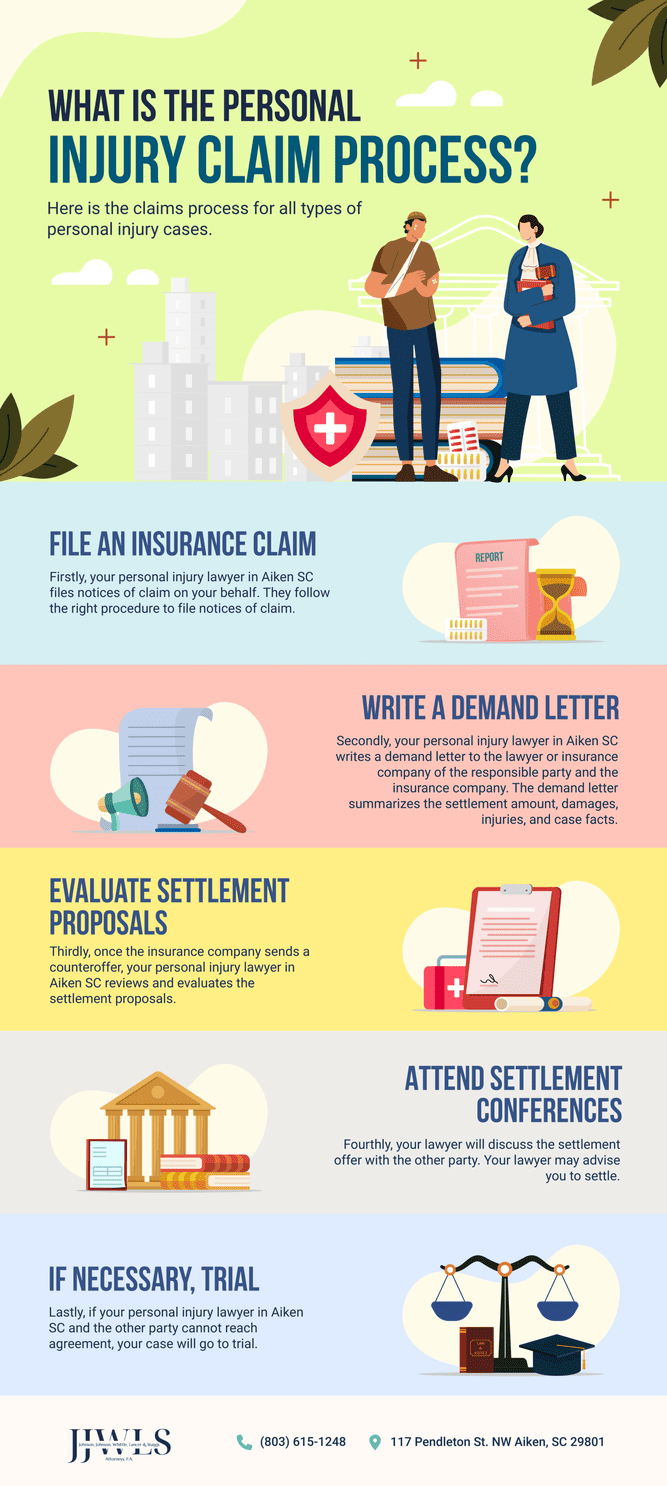
Representation Throughout the Legal Process
Personal injury claims often involve ongoing communication with insurance companies. These discussions may address liability, medical treatment, damages, and other issues affecting the claim. Clear communication can help ensure that important information is properly presented and evaluated.
Disputes sometimes arise regarding fault, injury severity, or the value of a claim. Responding to these challenges may require additional evidence, documentation, or legal analysis. As a result, addressing disputes often becomes an important part of the claims process.
Settlement negotiations frequently occur throughout a personal injury case. The parties may evaluate evidence, assess damages, and discuss possible resolutions before litigation becomes necessary. These discussions often continue as new information is gathered and reviewed.
Some cases require preparation for litigation when a settlement cannot be reached. This process may involve discovery, motions, witness preparation, and other court-related procedures. Careful preparation can help ensure that the case is ready for further legal proceedings if necessary.
Legal representation often focuses on more than the immediate issues presented by a claim. Decisions made during the claims process may affect future financial, medical, and legal interests. For that reason, protecting long-term interests often remains an important consideration throughout the case.
Frequently Asked Questions About Personal Injury Claims
How Much Is My Personal Injury Claim Worth?
The value of a personal injury claim is often influenced by medical expenses, lost income, future treatment needs, and the effect the injury has on daily life. More serious injuries typically involve greater financial losses and long-term consequences. A full evaluation usually requires understanding both current and future damages.
How Long Do I Have To File a Personal Injury Lawsuit?
In many cases, South Carolina allows three years from the date of injury to file a personal injury lawsuit, although exceptions may apply. Missing the applicable deadline can prevent an injured person from pursuing compensation through the court system.
What Happens if I Am Partially Responsible for the Accident?
South Carolina follows a modified comparative negligence system. This means compensation may be reduced when an injured person shares responsibility for the accident. The percentage of fault assigned to each party can play a significant role in the final recovery.
Will My Personal Injury Case Settle or Go to Trial?
Many claims are resolved through settlement negotiations before reaching trial. However, litigation may become necessary when liability, damages, or other issues remain disputed. The strength of the evidence and the willingness of the parties to negotiate often influence how the case is resolved.
Should I Accept the Insurance Company’s First Settlement Offer?
Not necessarily. Early settlement offers are sometimes made before the full extent of injuries and financial losses is known. Reviewing medical treatment, future expenses, and other damages can help determine whether an offer adequately reflects the impact of the injury.
Can I Recover Compensation if I Was Injured at Work?
Possibly. Workplace injuries often involve workers’ compensation benefits, but some situations may also involve claims against third parties. The source of recovery depends on how the injury occurred and who may have contributed to the incident.
How Long Does a Personal Injury Claim Take?
The timeline can vary based on medical treatment, insurance negotiations, and whether liability is disputed. Some claims resolve within a relatively short period, while others require additional investigation or litigation before reaching a conclusion.
Talk to an Aiken Personal Injury Lawyer
A serious accident can affect nearly every part of daily life. Medical treatment, missed work, insurance issues, and ongoing symptoms may continue long after the initial incident occurs. As those challenges develop, records from doctors, employers, witnesses, and other sources often become important in understanding the full impact of the injury.
Johnson, Johnson, Whittle, Lancer & Staggs represents people in Aiken and surrounding communities after car crashes, truck wrecks, unsafe property incidents, and other negligence-related harm. Our team helps clients document losses, respond to insurance issues, and seek compensation for medical costs, lost income, and related damages. Contact us today or call (803) 615-1248 to discuss your personal injury matter with an attorney.

