This page has been written and reviewed by Attorney Eric M. Staggs, a partner at Johnson, Johnson, Whittle, Lancer & Staggs and an attorney admitted to the South Carolina Bar in 2013. Eric represents individuals throughout Aiken, SC, in misdemeanor defense matters, including shoplifting, assault, trespassing, disorderly conduct, and other criminal charges.
A citation after a store dispute, traffic stop, argument, or local complaint can still bring someone into criminal court. What may initially appear to be a minor legal issue can still create significant concerns, making an Aiken misdemeanor lawyer an important resource for many individuals. The first concern is usually understanding what the citation or summons actually requires.
Misdemeanor cases may involve disorderly conduct, simple assault, shoplifting, trespassing, traffic offenses, or other lower-level accusations. Although these offenses are generally less serious than felonies, they remain an important part of the criminal defense system and can still carry meaningful consequences. Each charge carries different court requirements, possible penalties, and record concerns. That difference matters because one misdemeanor should not be treated the same as another.
After the charge is filed, the next issue is usually the court setting. Some matters proceed through the Aiken Municipal Court, while others may be heard in the Aiken County Magistrate Court. Knowing where the case is pending can help clarify deadlines, appearances, and available options.
Even without a felony charge, a misdemeanor conviction can create lasting problems. Jail exposure, fines, probation, and a criminal record may affect work, housing, licensing, or future background checks. These effects can be significant even when the underlying allegation appears limited.
Johnson, Johnson, Whittle, Lancer & Staggs represents individuals facing misdemeanor charges throughout Aiken and nearby communities. Our experienced team reviews the citation, court requirements, evidence, and possible defenses connected to the case. We help clients understand what they are facing before making important decisions.

What Misdemeanor Charges Mean Under South Carolina Law
How South Carolina Classifies Criminal Offenses
South Carolina divides criminal offenses into two primary categories: misdemeanors and felonies. This classification system helps determine how an allegation is treated within the criminal justice system and the potential consequences that may follow. Although both involve criminal accusations, they are handled differently under state law.
Misdemeanors are generally considered less serious offenses than felonies. Even so, a misdemeanor charge can still result in court proceedings, financial penalties, incarceration, or other legal consequences. The classification of the offense often affects both the potential punishment and how the case proceeds through the court system.
Felony offenses typically carry more severe penalties and broader long-term consequences than misdemeanor offenses. For that reason, South Carolina law distinguishes between the two categories when defining criminal conduct and available punishments.
South Carolina law formally recognizes this distinction through its criminal classification statutes. For example, S.C. Code Ann. § 16-1-100 identifies offenses classified as misdemeanors within the state’s criminal code. That provision works alongside other statutes that distinguish misdemeanor offenses from felony offenses.
Offenses Commonly Charged as South Carolina Misdemeanors
Many misdemeanor allegations involve conduct that South Carolina law classifies as lower-level criminal offenses. These matters are frequently handled in local courts throughout the state and often arise from everyday interactions or disputes. Although the circumstances vary from case to case, certain allegations appear more frequently than others.
Disorderly conduct is one example commonly charged as a misdemeanor in South Carolina. Shoplifting allegations may also fall within the misdemeanor category, depending on the circumstances. Trespassing offenses are another frequent source of misdemeanor charges.
Certain allegations involving physical contact may also be charged as misdemeanors. Third-degree assault and battery is one offense that is commonly classified within this category. Some possession-related allegations may likewise be treated as misdemeanor offenses under South Carolina law.
Other misdemeanor allegations can arise under a wide variety of South Carolina criminal statutes. The category includes numerous offenses that do not rise to the level of felony conduct. As a result, misdemeanor charges encompass a broad range of criminal allegations involving different facts and legal issues.
Penalties That May Follow a Misdemeanor Conviction
Criminal Penalties Courts May Impose After Conviction
A misdemeanor conviction can result in several direct legal consequences under South Carolina law. The specific outcome often depends on the charge involved, the circumstances of the case, and any applicable sentencing provisions. In some situations, a court may impose a jail sentence, a financial penalty, or both. Courts may also consider other sentencing options authorized by law.
Examples of misdemeanor penalties may include:
- Third-Degree Assault and Battery: Up to 30 days in jail, a fine of up to $500, or both
- Disorderly Conduct: Up to 30 days in jail, a fine of up to $100, or both
- Petit Larceny (property valued at $2,000 or less): Up to 30 days in jail, a fine of up to $1,000, or both
The applicable penalty depends on the specific offense and the facts presented to the court.
A court may also impose probation as part of a sentence. Probation generally allows an individual to remain in the community while complying with court-ordered conditions. Those conditions may include reporting requirements, restrictions on certain activities, or other obligations.
Additional requirements may accompany a misdemeanor sentence in some situations. Potential conditions may include:
- Probation supervision
- Community service
- Restitution for financial losses
- Compliance with other court-ordered obligations
These requirements often continue after the court imposes a sentence and may remain important throughout the case’s resolution.
Consequences That May Continue Beyond Sentencing
The effects of a misdemeanor conviction often continue after all court-imposed requirements have been completed. A conviction may become part of a person’s criminal record and remain visible during future background checks. Because criminal records are commonly reviewed by employers and other organizations, a conviction can continue to have practical consequences.
Employment opportunities may be affected when employers conduct background screenings during the hiring process. Some employers review criminal history when evaluating applications for new positions. While a conviction does not automatically prevent employment, it may become a factor in hiring decisions.
Housing opportunities may also be affected by a criminal record. Landlords and property management companies often review background information before approving rental applications. A misdemeanor conviction may raise concerns, depending on the policies of a particular housing provider.
Professional licensing concerns can also develop after a conviction. Some licensing boards review criminal history when considering applications, renewals, or disciplinary matters. The significance of a conviction often depends on the profession involved and the facts surrounding the offense.

Issues That Can Affect a Misdemeanor Case Outcome
Evidence and Facts Prosecutors Review in Misdemeanor Cases
Prosecutors evaluate several factors before deciding how a misdemeanor case should proceed. Their review usually begins with the information gathered during the investigation. This information helps determine the strength of the allegations and the issues that may affect the case.
Factors commonly reviewed by prosecutors may include:
- Police reports and investigative findings
- Witness statements
- Physical evidence
- Prior criminal history
- The nature of the alleged conduct
Each factor may contribute to the overall evaluation of the case and influence how prosecutors assess the allegations.
Police reports are frequently among the first materials reviewed by prosecutors. These reports typically summarize the events that led to the allegation and document information collected by law enforcement. Prosecutors may also review witness statements to better understand how different individuals describe the same incident.
Physical evidence can also become an important part of the review process. Depending on the circumstances, this evidence may include photographs, videos, documents, or other tangible items. Prosecutors often compare physical evidence with witness statements and investigative findings.
Prior criminal history may also be considered during the review of a misdemeanor case. Prosecutors sometimes assess whether an individual has prior convictions or involvement with the criminal justice system. The alleged conduct itself may also receive close attention, particularly when prosecutors assess the seriousness of the situation.
Factors That May Influence Case Resolution
Misdemeanor cases do not always reach the same result, even when the allegations appear similar. A variety of factors may influence how a case moves through the legal process and how it is ultimately resolved. For that reason, outcomes often depend on more than the name of the charge alone.
One important consideration is the strength of the available evidence. Cases supported by strong and consistent evidence are often evaluated differently from cases involving significant weaknesses. Questions about reliability, credibility, or missing information may affect how allegations are assessed. When important facts remain disputed, those issues can influence negotiations, court proceedings, or trial preparation.
Credibility concerns may also affect the resolution of a misdemeanor case. Witnesses may provide inconsistent accounts, forget details, or disagree about important events. These issues raise questions about the accuracy of the information presented. Mitigating circumstances may also become relevant when evaluating the facts of a particular situation.
Negotiations often play a role in resolving misdemeanor allegations before trial. Discussions between the parties may address the facts of the case, the available evidence, and other relevant considerations. When a case does not resolve through negotiation, trial may remain an option. Trial considerations can include the strength of the evidence, witness testimony, and other issues expected to arise in court.
Options Available for Resolving Misdemeanor Charges
Dismissals, Reductions, and Other Case Resolution Options
Several options may be available after misdemeanor charges are filed. The outcome often depends on the facts of the case, the available evidence, and other legal considerations. Because no two cases are exactly alike, the resolution process may vary depending on the circumstances involved. Those circumstances often influence whether a case proceeds toward dismissal, negotiation, or trial.
In some situations, charges may be dismissed before a case reaches trial. A dismissal may occur when legal issues arise or when the available evidence does not support further prosecution. The decision to dismiss a charge depends on the specific circumstances involved.
Other cases may result in reduced charges rather than a complete dismissal. A reduction may occur when the facts support a different allegation or when other considerations become relevant. In some situations, a reduced charge may lead to a different outcome than the original allegation.
Plea agreements and trial proceedings represent two additional paths for resolving misdemeanor charges. Plea agreements involve negotiated resolutions between the parties and may avoid the need for trial. When a case does not resolve through negotiation, it may proceed to a hearing or trial where evidence is presented.
Diversion Programs Available to Eligible Defendants
In some cases, diversion programs may provide an alternative to traditional prosecution. These programs are designed for eligible individuals who meet specific requirements established by law or local authorities. Participation is voluntary and generally requires compliance with program conditions.
Alternative resolution programs may include:
- Pre-Trial Intervention (PTI)
- Conditional discharge in qualifying situations
- Educational or counseling requirements
- Community service obligations
Eligibility and participation requirements vary depending on the program and the circumstances involved.
One commonly used diversion option in South Carolina is the Pre-Trial Intervention program, often called PTI. Under S.C. Code Ann. § 17-22-10, South Carolina authorizes diversion programs for eligible defendants who meet established program requirements. Participants may be required to complete educational programs, counseling, community service, or other conditions established by the program.
Another potential option is conditional discharge, which may be available in limited situations authorized by South Carolina law. Under South Carolina law, certain eligible first-time drug offenders may qualify for conditional discharge when the statutory requirements are satisfied. Individuals who qualify must satisfy specific requirements established by the court.
Diversion programs can offer benefits that differ from traditional criminal proceedings. At the same time, participation often requires strict compliance with program conditions and deadlines. Eligibility standards, program requirements, and available alternatives vary depending on the circumstances involved.
When a Misdemeanor Record May Qualify for Expungement
Circumstances That May Support Record Expungement
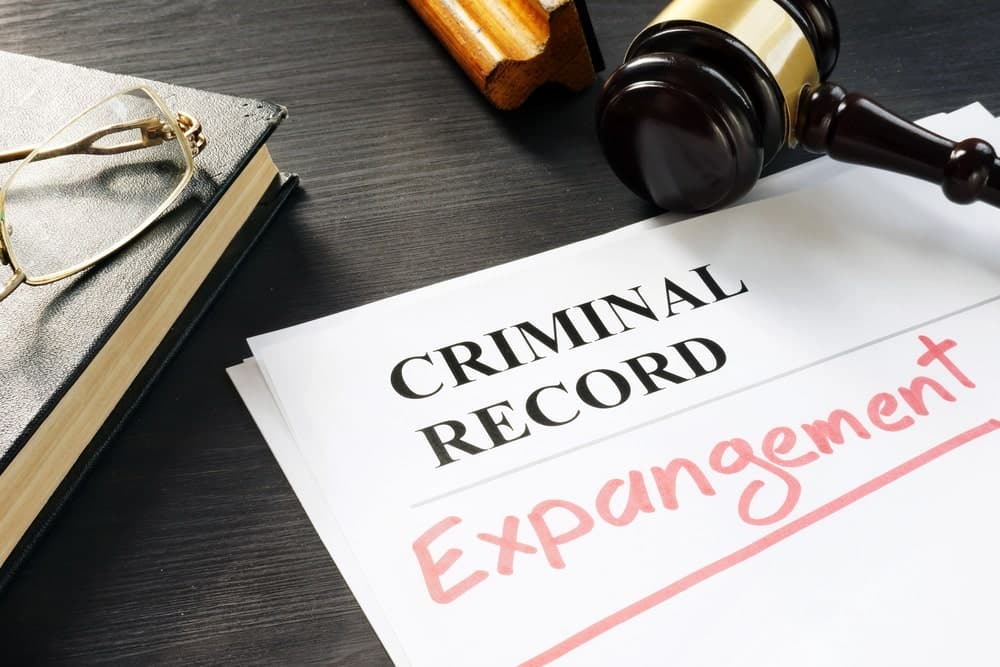
In some situations, a misdemeanor record may qualify for expungement under South Carolina law. Eligibility depends on the outcome of the case and the specific requirements established by statute. Not every criminal record qualifies for removal, and the availability of expungement varies from case to case. Because of this, eligibility must be evaluated based on the particular circumstances involved.
One common basis for expungement involves charges that were dismissed. When criminal proceedings end without a conviction, South Carolina law may allow the related records to be removed. Eligibility often depends on how the case was resolved and whether statutory requirements have been satisfied. The fact that charges were dismissed does not automatically mean every record qualifies.
A not-guilty verdict may also support expungement in certain circumstances. When a person is found not guilty, the law may provide a pathway for removing records associated with that charge. South Carolina law recognizes that some criminal cases conclude without a conviction after trial. As a result, certain individuals may qualify for record relief following an acquittal.
Other qualifying outcomes may also support eligibility for expungement. South Carolina law addresses situations involving charges that are discharged, dismissed, or resolved through a not-guilty finding. The statute provides an important source of record relief for individuals whose cases end without a conviction.
Benefits Associated with Clearing Eligible Records
Clearing an eligible criminal record may create opportunities that were previously more difficult to pursue. Many employers, landlords, schools, and licensing boards review criminal history during application processes. When a qualifying record is removed, individuals may face fewer concerns about past allegations.
Potential benefits of clearing an eligible record may include:
- Improved employment opportunities
- Greater access to housing opportunities
- Fewer concerns during background reviews
- Reduced challenges involving professional licensing matters
The impact often depends on an individual’s circumstances and the type of record involved.
Employment opportunities are among the most frequently discussed benefits of clearing an eligible record. Many employers conduct background checks before making hiring decisions. When a qualifying record is removed, certain concerns that might have appeared during those reviews may no longer be present.
Housing opportunities may also be affected by the presence of a criminal record. Property owners and management companies often review background information when evaluating rental applications. Removing an eligible record may reduce concerns that arise during that review process.
Professional licensing considerations may also become easier to address when an eligible record has been cleared. Some licensing boards review criminal history when evaluating applications, renewals, or disciplinary matters. A cleared record may help reduce concerns that could otherwise arise during those reviews.
How an Aiken Misdemeanor Lawyer Can Help Protect You
Why Legal Representation Matters in Misdemeanor Cases
Misdemeanor charges fall within the broader area of criminal defense law. Although these offenses are generally less serious than felonies, they remain criminal allegations that can affect a person’s future. For that reason, misdemeanor cases require careful attention from the beginning of the legal process.
Criminal defense representation involves addressing allegations brought by the government in a criminal case. Misdemeanor and felony cases share many legal principles, but important differences remain. Felony matters often involve more serious allegations and greater potential consequences. Misdemeanor cases may proceed through different courts and involve different procedural considerations.
The approach taken in a misdemeanor case often depends on the specific allegation involved. Different charges present different legal issues, factual questions, and evidentiary concerns. A disorderly conduct allegation may raise different considerations than a shoplifting or trespassing allegation.
How Legal Representation Supports Case Resolution Goals
Legal representation often begins with a detailed review of the available evidence. This process may include examining police reports, witness statements, photographs, videos, and other materials. A careful review helps identify important facts and legal issues that may affect the case.
Legal representation may involve:
- Reviewing evidence and investigative materials
- Evaluating weaknesses in the allegations
- Communicating with prosecutors
- Appearing in court proceedings
- Providing guidance throughout the case
Each responsibility may influence how the case develops and how available options are evaluated.
Attorneys also assess whether weaknesses exist within the evidence supporting the allegation. Questions involving reliability, consistency, or missing information may become important as the case develops. Identifying these issues allows for a more complete assessment of the matter. In some situations, additional investigation may be necessary to better understand the facts.
Communication with prosecutors is another important part of legal representation. These discussions may address the evidence, legal concerns, and potential resolutions available in the case. Productive negotiations often require a thorough understanding of both the facts and the applicable law.
When negotiations do not resolve the matter, legal representation continues through court appearances and other stages of the proceedings. Misdemeanor matters in Aiken may be handled in courts such as the Aiken County Magistrate Court or the Aiken Municipal Court, depending on the charge.

Frequently Asked Questions About Misdemeanor Charges
What Qualifies as a Misdemeanor Offense in South Carolina?
A misdemeanor is a criminal offense that carries a lower classification than a felony. Common examples include disorderly conduct, trespassing, shoplifting, and certain assault-related offenses. Although these charges are considered less serious than felonies, they can still result in significant legal consequences.
Can a Misdemeanor Conviction Result in Jail Time?
Yes. Many misdemeanor offenses carry the possibility of incarceration, although the maximum penalty varies by charge. Depending on the offense, sentencing options may also include probation, fines, community service, or other court-ordered conditions.
How Long Does a Misdemeanor Stay on a Criminal Record?
A conviction can remain part of a person’s criminal history unless it is later removed through a legal process such as expungement. Criminal records may continue to appear during background checks for employment, housing, or licensing purposes long after a case has ended.
Can a Misdemeanor Charge Be Dismissed Before Trial?
Sometimes. Issues involving witness credibility, insufficient evidence, procedural errors, or other legal concerns may affect whether a case proceeds to trial. In certain situations, those issues can lead to an earlier resolution.
When Can a Misdemeanor Record Be Expunged in South Carolina?
Some misdemeanor records may qualify for expungement when specific legal requirements are satisfied. Eligibility often depends on how the case ended and whether the applicable statute permits record removal. Not every conviction or charge qualifies for this form of relief.
Can a Misdemeanor Conviction Affect Future Employment?
Yes. Many employers conduct background checks before making hiring decisions. While the impact varies by industry and position, a criminal record can influence employment opportunities, professional licensing, and career advancement.
What Should I Do After Being Charged with a Misdemeanor?
It is generally important to understand the allegations, comply with court requirements, and keep track of upcoming deadlines. Gathering relevant information early can help you better understand the legal process. Many people also seek legal guidance to evaluate their options and avoid mistakes that could affect the outcome.
Speak with an Aiken Misdemeanor Lawyer
Misdemeanor charges can still affect a person’s record, employment opportunities, driving privileges, and required court appearances. Offenses involving theft, simple assault, trespassing, disorderly conduct, or traffic-related conduct may carry penalties that extend beyond the initial arrest. The response may depend on the charge, prior history, available proof, and whether dismissal, reduction, or diversion is possible.
Johnson, Johnson, Whittle, Lancer & Staggs represents individuals throughout Aiken and the surrounding communities facing misdemeanor offenses. Our experienced team reviews police reports, court notices, witness accounts, and charging details to identify concerns that may affect the defense. Contact us today or call (803) 615-1248 to discuss your misdemeanor matter with an attorney.