During a DUI stop in Aiken, South Carolina, drivers often ask whether they can legally refuse field sobriety tests in Aiken. These roadside exercises assess balance, coordination, and attention, but South Carolina treats refusals differently from refusals to submit to a chemical test after arrest. Knowing this distinction helps drivers respond carefully without creating additional legal complications.
South Carolina law confirms that saying no to field sobriety tests is not considered disobeying an officer. Traffic stops can move quickly, and knowing your rights in advance helps you stay calm and organized. For residents in Aiken, being prepared can prevent mistakes that complicate both court and licensing matters.
Working with an experienced DUI lawyer in Aiken early provides guidance for handling every step correctly. DUI cases often involve both criminal court and administrative reviews, which can be confusing without support. Professional advice ensures drivers meet all requirements while protecting their record and minimizing long-term consequences.
Key Takeaways
- In South Carolina, drivers may refuse roadside field sobriety tests; refusal is not considered disobeying an officer.
- Refusing a field sobriety test does not automatically end the stop or prevent further investigation.
- Arrests depend on the totality of circumstances, including driving behavior, statements, and officer observations and not just test refusal.
- Chemical tests after arrest follow implied consent laws and carry separate consequences, including license suspension.
- Understanding local Aiken court processes and early legal guidance helps drivers protect their rights and respond appropriately.

What Field Sobriety Tests Are Designed to Measure
Field sobriety tests check a driver’s coordination and ability to focus under pressure. These exercises help officers evaluate potential impairment during roadside stops.
Common Roadside Exercises
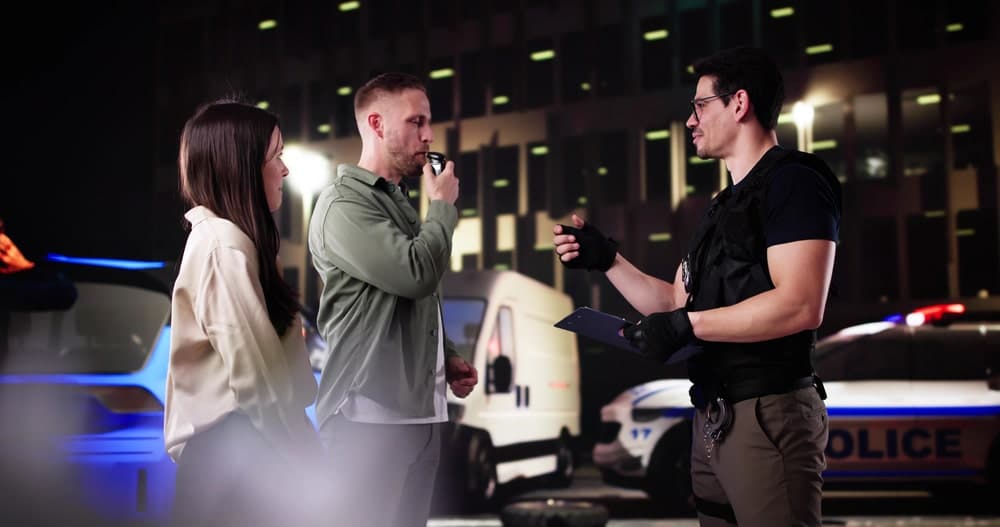
Walk-and-turn and one-leg-stand exercises assess balance and stability while drivers follow instructions. Officers also observe eye movements to monitor coordination and attention. The tests focus on divided attention, not on medical accuracy, and results can be influenced by nerves and surroundings.
Why Officers Use These Tests
Officers use these exercises to help determine whether probable cause exists for a DUI stop. Observations may appear later in reports and can influence case decisions. Results depend on factors like road conditions, physical ability, and driver stress.
Can Drivers Decline Field Sobriety Tests in South Carolina?
In South Carolina, drivers may choose whether to participate in roadside field sobriety exercises, but refusal does not end the stop or automatically prevent legal action. Understanding how officers handle refusals helps drivers navigate these encounters responsibly.
What Refusal Means in Practice
- Roadside sobriety exercises are generally voluntary and not mandatory under state law.
- Declining a test does not automatically end the traffic stop or preclude further investigation.
- Refusal alone does not determine whether an arrest occurs; officers consider other factors.
How Officers May Proceed After Refusal
- Officers rely on driving behavior, speech, and overall condition to assess impairment.
- Other observations at the scene, such as traffic violations or physical cues, continue to guide decisions.
- Arrests depend on the totality of the circumstances, including an officer’s judgment and supporting evidence.
Chemical Testing Follows Different Rules
Chemical testing applies only after a driver has been arrested for suspected DUI. These tests follow specific procedures and legal requirements.
How Implied Consent Works After Arrest
After arrest, chemical testing is governed by implied consent laws. Refusing to take a test may result in administrative license suspension. Breath, blood, or urine tests are included, and these procedures are governed by South Carolina’s implied consent statutes, including South Carolina Code §§ 56-5-2950 and 56-5-2951.
Key Distinction Drivers Should Understand
Field sobriety tests evaluate coordination and attention at the roadside. Chemical tests, in contrast, measure alcohol or drug levels in the body. Drivers should know that legal consequences differ depending on the type of test administered.
Where DUI Stops and Early Hearings Are Handled in Aiken
DUI stops and early hearings in Aiken are usually managed through the county court system. Local rules guide scheduling, filings, and initial proceedings.
Aiken County Court Locations
Most DUI matters are processed through Aiken County courts, starting at the Aiken County Courthouse. Initial hearings connect directly to local operations. Scheduling, motions, and case management follow county-specific procedures for consistency and efficiency.
Why Local Process Still Matters
Court timelines and deadlines vary across counties, even under the same state DUI laws. In many cases, an initial hearing occurs within the first few weeks after the stop, giving drivers a limited window to prepare. Enforcement practices differ by jurisdiction, affecting how cases progress. Understanding local procedures helps drivers respond appropriately and avoid preventable delays.
What Usually Happens After a Driver Refuses Field Sobriety Tests
When a driver refuses field sobriety tests, the officer documents the refusal and continues to evaluate the situation. Additional observations guide decisions during the stop. Drivers should understand that an arrest depends on the officer’s overall observations, not solely on the decision to decline a roadside test.
Immediate Roadside Outcomes
The officer documents the refusal, but the investigation continues using other indicators of potential impairment. Decisions rely on overall observations, including driving behavior, speech, and demeanor. Officers consider all factors together to determine the next steps during the stop.
A Typical Roadside Situation
A driver, commuting to work with a passenger, drifts slightly within their lane. The officer requests balance tests on uneven pavement. The driver politely declines, worried about being late for a scheduled morning meeting. The officer observes driving behavior, conversation, and overall condition to determine impairment.
Practical Guidance for Drivers During DUI Stops
Knowing how to respond during a DUI stop can help drivers protect their rights and avoid escalating the situation. Remaining calm, providing the required information, and understanding the legal weight of certain decisions is key.
Staying Calm and Respectful
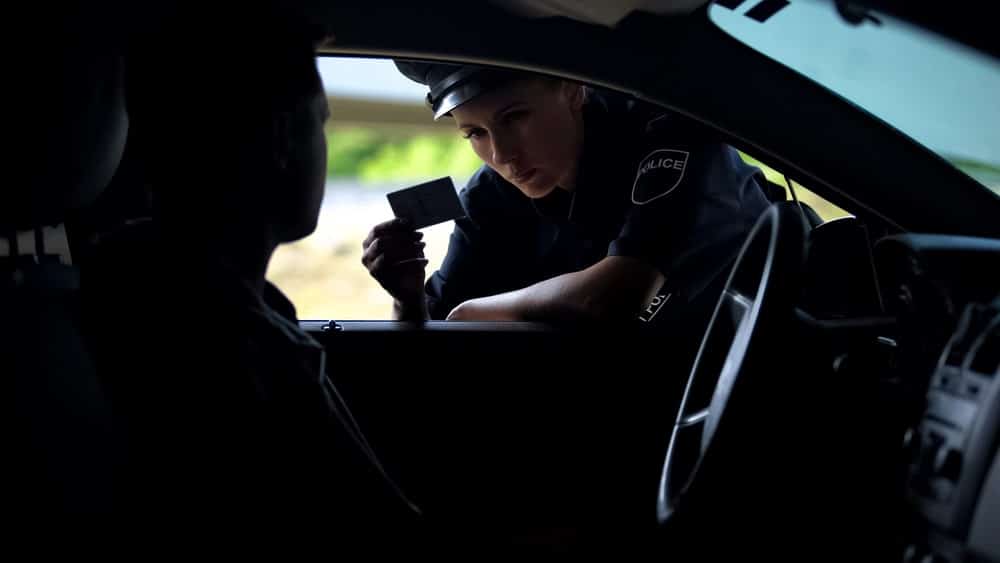
- Provide required documents such as a license, registration, and proof of insurance.
- Communicate clearly with the officer and answer questions without speculation.
- Avoid roadside arguments or confrontations, which can escalate the situation or be used against you.
Knowing Which Decisions Carry Legal Weight
- Field sobriety tests and chemical tests are governed by different rules and have distinct consequences.
- Post-arrest testing can directly affect driving privileges and administrative actions.
- Early decisions, including whether to comply with certain tests or requests, may influence later court proceedings and case outcomes.
Contact a DUI Lawyer in Aiken
Drivers in Aiken may decline field sobriety tests, and the law treats refusal differently from post-arrest chemical testing. Refusal does not automatically trigger penalties, but officers still consider other observations during the stop. Knowing these rules helps drivers respond calmly and protect their rights.
Chemical testing follows separate implied consent procedures that can affect driving privileges and administrative outcomes. Understanding how local court procedures work can reduce confusion during the early stages of a DUI case. Preparation and awareness often determine how cases progress and influence long-term results for motorists.
At Aiken Attorneys, we understand how stressful a DUI stop or arrest can feel. Our team provides clear guidance, carefully reviews your situation, and helps you make informed decisions at every step. Contact us today or call (803) 649-5338 to speak with a DUI attorney in Aiken and take the first step toward protecting your rights and your future.