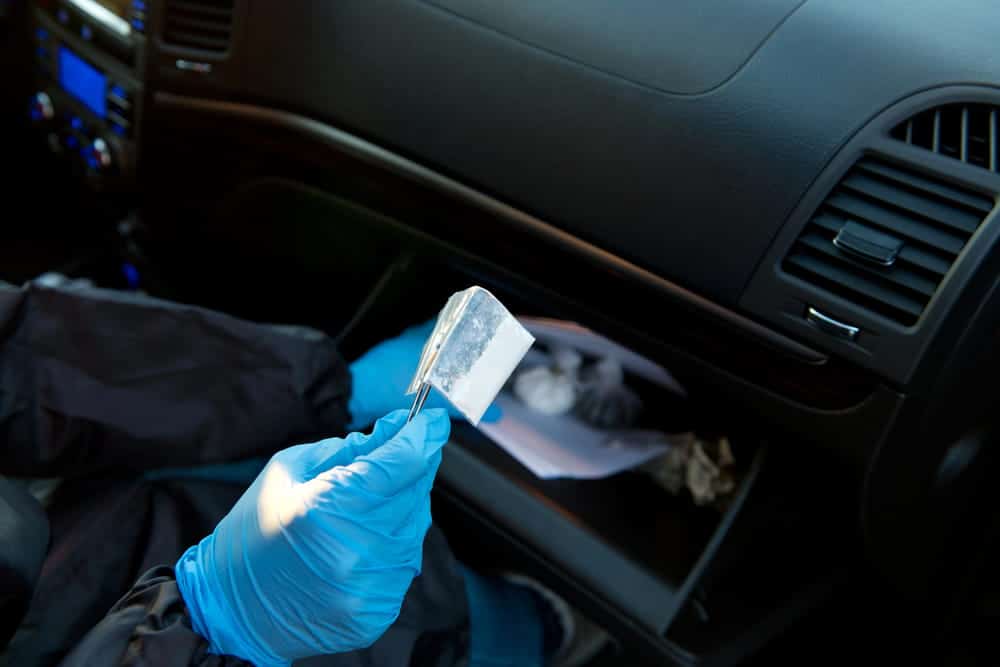
A routine traffic stop turns tense when an officer notices something inside the vehicle that raises questions about drug possession in Aiken. What begins as a brief interaction can quickly turn into a deeper investigation, even when ownership is not clear. Drug possession cases in Aiken often turn on how clearly law enforcement can connect a person to a controlled substance.
Officers rarely rely on a single factor and instead build cases through location, behavior, and surrounding circumstances. For example, during a late-night traffic stop in Aiken, officers may find drugs in a shared vehicle where no one claims ownership. Even then, they may still try to connect one person to the substance based on access, behavior, and control.
In many situations, the issue is not whether drugs were present, but whether someone had knowledge of and control over them. South Carolina law makes it unlawful to knowingly possess a controlled substance, meaning a person must be aware of it and able to control it under South Carolina Code § 44-53-370.
Once awareness and control become central to the case, small details often shape how these situations develop and influence how evidence is viewed in court. In Aiken County, these cases move through the local court system, where early decisions can affect outcomes. An experienced Aiken drug crimes lawyer can help review the facts, identify weak points, and guide individuals through each step while protecting their rights.
Key Takeaways
- Police in Aiken must prove drug possession by showing both knowledge of the substance and control over it.
- Evidence includes the location of drugs, behavior during encounters, and items found during searches or traffic stops.
- In shared spaces, officers need additional facts to link one person clearly to the drugs.
- Early legal review can identify weak connections and help challenge the use of evidence in court.

The Core Elements Police Must Establish
Police must connect a person to drugs through clear and consistent evidence rather than assumptions. These cases often depend on how well control and awareness are demonstrated together.
Direct Possession Compared To Indirect Control
Investigators first examine whether drugs were found directly on a person or within their immediate reach. Substances found in pockets or personal items often support claims of direct possession. In other cases, officers assess whether a person had control over drugs without physically holding them, especially in shared spaces.
Proving Awareness and Control
After identifying where drugs were found, attention shifts to whether the person knew they were present. Awareness may come from behavior, statements, or surrounding facts that suggest knowledge. Officers must also show that the person could access or manage the substance, since proximity alone is not enough.
Where and How Charges Are Handled in Aiken
Drug possession charges in Aiken follow a local process that shapes how cases move forward. Knowing where hearings take place and how cases progress helps individuals understand what to expect.
Court Proceedings in Aiken County
- Cases are handled within Aiken County through its local court system.
- Hearings often take place at the Aiken County Courthouse, where judges address filings and early motions.
- More serious charges may be transferred to the General Sessions Court for further proceedings.
- Each stage of the process helps determine how the case will continue.
How Local Practice Shapes Evidence Review
- Judges often rely on patterns developed through prior cases when reviewing evidence.
- Prosecutors focus on facts that clearly show control and link a person to the substance.
- Local courtroom expectations influence how evidence is presented and argued.
- Understanding these practices helps explain how decisions are reached during the case.


Physical and Circumstantial Evidence Police Rely On
Police rely on both physical evidence and surrounding circumstances to build a case. Together, these details help build a clearer picture of control and awareness.
Items Collected During Searches
Evidence is often collected from clothing, bags, vehicles, and nearby areas during searches. They also look for packaging materials or containers that suggest storage or use. The placement of the substance in relation to the individual often becomes an important factor.
Behavior Observed During Police Encounters
Behavior during police encounters is closely monitored to identify signs of awareness or control. Attempts to hide items or distance from them can raise concerns during the investigation. Small details often carry more weight than people expect when combined with physical evidence.
Establishing Control Without Direct Possession
When drugs are not found on a person, officers rely on surrounding facts to show control. These cases depend on how clearly a connection can be made between the person and the substance.
Linking a Person to the Location of the Drugs
In many cases, the focus shifts to whether a person had control over the location where the drugs were found. Access to a vehicle, residence, or personal space becomes an important factor in this analysis. Proximity may support control when combined with access and authority over the area.
Why Additional Evidence Is Required in Shared Spaces
Shared spaces make it harder to assign possession because multiple people may have access. Officers must identify facts that clearly tie one individual to the drugs rather than relying on presence alone. Certain substance-related offenses fall under South Carolina Code § 44-53-375, which outlines how these charges are handled.
Statements, Behavior, and Other Supporting Factors
Officers rely on statements and conduct to understand how a person may be connected to drugs. These factors often influence how awareness and control are interpreted.
How Statements Can Influence a Case
- Statements made during questioning can affect how a case develops from the beginning.
- Voluntary admissions may suggest awareness of the substance and strengthen the case.
- Inconsistent explanations can raise concerns and affect how credibility is evaluated.
- Clear and consistent responses can help present a more reliable account.
How Multiple Occupants Affect Possession Claims
- When multiple people are present, officers must determine who had control over the specific area.
- Shared vehicles or residences require stronger proof to link one person to the drugs.
- Factors such as access, proximity, and individual conduct are carefully considered.
- These details help shape how responsibility is assigned in the case.


How Police Connect Evidence During a Traffic Stop
Traffic stops often create situations where officers must quickly assess who may be responsible for drugs. These cases depend on how access, control, and surrounding facts come together.
Discovery of Drugs Inside a Vehicle
A driver may deny ownership when drugs are found in a shared vehicle, but their access to the area and behavior during the stop can still be used to establish control. This type of situation often becomes central to how the case is argued in court.
How Responsibility Is Determined From the Facts
Investigators consider who was driving and who could reach the area where the drugs were found. Behavior during the stop and statements made at the scene can influence their conclusions. Surrounding circumstances help determine whether control can reasonably be assigned.
Get Legal Help From a Drug Crimes Lawyer
Proving drug possession in Aiken depends on more than simply finding a substance. Law enforcement must show knowledge and control using facts from the full situation. Courts in Aiken County examine how each detail connects a person to the substance.
Understanding how these cases are built explains why charges may arise without direct possession. Small details tied to behavior, location, and access often shape how evidence is viewed. An experienced attorney can review the case, challenge weak connections, and help protect your future.
At Johnson, Johnson, Whittle, Lancer & Staggs, we understand how stressful a drug possession charge in Aiken can feel when the facts are unclear. Our team takes the time to review your case carefully and explain your options in a way that makes sense. Contact us today or call (803) 615-1248 to speak with an experienced drug possession lawyer in Aiken who can guide you through the process and help you move forward with confidence.


