A cyclist is struck at an intersection, and after treatment, one question often comes up right away: was a helmet worn? As the claim begins, attention quickly shifts to whether the lack of a helmet is tied to the severity of head or facial injuries, especially in bike accident claims. In Aiken, that detail can become central when insurers begin evaluating what the claim may actually be worth.
South Carolina allows fault to be shared between all parties involved in an accident. A cyclist may still recover damages even if partly responsible, though the total amount may be reduced based on that share. SC law explains that each person’s level of responsibility is measured and used to adjust the final compensation.
These cases often move quickly once medical records and evidence begin to define the claim. Early documentation often shapes how fault and injury severity are viewed from the start. Working with an experienced personal injury lawyer in Aiken helps present the full picture clearly while protecting the strength of the claim.
Key Takeaways
- Helmet use in Aiken bike accident claims affects injury value, not who caused the crash.
- Shared fault rules allow recovery even without a helmet, though compensation may be reduced.
- Medical records and expert analysis determine whether injuries are linked to the lack of protection.
- Strong evidence about how the crash occurred remains the most important factor in claim outcomes.
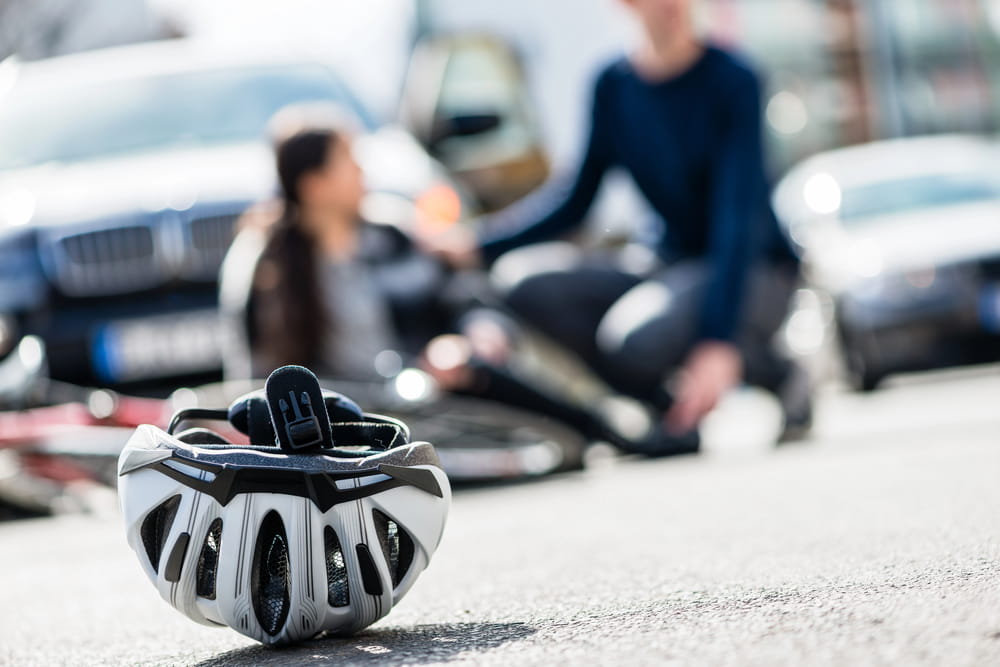

Why Helmet Use Comes up in Bicycle Injury Claims
Helmet use often becomes part of the discussion when a claim involves visible or serious injuries. To evaluate those injuries properly, insurers and attorneys look closely at how they developed and how they should be assessed.
How Head Injuries Bring Helmet Use Into Focus
Head, brain, and facial injuries receive closer attention because they can have lasting effects. As medical records are reviewed, questions arise about whether protective gear could have reduced the severity of those injuries. This review does not assign blame. Instead, it helps clarify how the injuries developed after the impact and connects their severity to the conditions at the time of the crash.
Why Helmet Use Does Not Decide Who Caused the Crash
The cause of the collision remains the central issue in evaluating fault. Investigators focus on driver actions, traffic signals, and roadway conditions to understand how the crash occurred. A driver may still be fully responsible even if the cyclist was not wearing a helmet. Helmet use usually becomes relevant later, when attention shifts to how damages may be calculated.
How Bicycle Injury Cases Progress in Aiken County
Bicycle injury claims follow a structured path once they move beyond initial reporting and medical care. In Aiken County, local court procedures shape how cases are filed, reviewed, and advanced.
Where Civil Claims Are Filed and Reviewed Locally
- Civil claims are connected to proceedings at the Aiken County Courthouse once they are formally filed.
- These matters are handled in the Court of Common Pleas, where judges review filings and supporting evidence.
- Each step follows established county procedures, including scheduling and documentation requirements.
- This structure helps keep cases organized while allowing each stage to move forward clearly.
Why Local Court Practice Can Shape Case Strategy
- Local court practices often influence how cases are prepared from the beginning.
- Judges and insurers often rely on patterns they see across similar claims when evaluating how a case should move forward.
- Timelines and filing steps may differ from other counties, which can affect how a case progresses.
- Familiarity with these local details helps reduce delays and supports more effective case planning.


When Helmet Use Can Change the Value of a Claim
Helmet use may become important when the discussion shifts from fault to the value of injuries. The focus turns to whether the injuries claimed are directly tied to the absence of protective equipment.
When Injury Severity Becomes the Main Argument
Claims involving head or brain injuries often receive closer scrutiny during evaluation. The defense may argue that the injuries could have been less severe if a helmet had been worn. This shifts the focus to how much of the damage comes directly from the crash and how much may be linked to the lack of protection. The dispute then centers on how damages should be calculated based on the full set of facts.
When Helmet Use Has Little Effect on Recovery
Helmet use carries less weight when injuries involve areas not protected by a helmet. In these situations, the link between the absence of a helmet and the injuries becomes weaker. If the crash is clearly caused by another party, responsibility remains focused on that conduct. As a result, helmet use has limited influence on how damages are measured.
How Roadway Rules Influence Bicycle Accident Outcomes
Roadway rules guide how bicycle accident claims are evaluated after a crash. These rules help explain how each person’s actions contributed to the events leading to the collision.
How Cyclist and Driver Conduct Is Reviewed After a Crash
Bicycle accident claims depend on how the collision occurred and what actions led to the impact. Cyclists are treated as roadway users and must follow general traffic expectations. South Carolina Code § 56-5-3420 applies traffic laws to bicyclists and outlines how they should operate on public roads. This framework gives investigators a consistent way to evaluate both the cyclist’s and the driver’s conduct.
Why Shared Conduct Matters More Than a Single Factor
The actions of both the cyclist and the driver are considered together when fault is evaluated. Investigators review behavior before the crash, including speed, positioning, and compliance with signals. This approach ensures that responsibility reflects the full sequence of events. Helmet use may still be discussed, but it remains only one part of a broader analysis.
What Evidence Carries the Most Weight in These Claims
Evidence shapes how bicycle injury claims are understood from the start. The focus remains on explaining how the crash occurred and how the injuries are connected to it.
Evidence That Explains How the Collision Happened
- Police reports, witness statements, and scene details often form the foundation of a claim.
- Together, these sources help clarify positioning, speed, and visibility at the time of the crash.
- Investigators rely on this information to understand how events unfolded before impact.
- In many cases, the cause of the crash carries more weight than arguments related to helmet use.
Evidence That Connects Injuries to Helmet Use
- Medical records and diagnosis timelines help establish how injuries developed after the accident.
- Expert opinions may explain the severity of those injuries and whether protective equipment could have made a difference.
- From there, the analysis focuses on whether the absence of a helmet is directly linked to the harm being claimed.
- Clear documentation helps connect medical findings with the circumstances of the crash.


How Disputes Over Injury Severity Develop in Practice
Disputes often arise when the focus shifts from how the crash happened to how serious the injuries are. At this stage, both sides begin to examine whether the claimed harm reflects the full impact of the collision.
When a Head Injury Leads to a Compensation Dispute
A cyclist riding through an intersection is struck by a turning vehicle and suffers a head injury without wearing a helmet. The insurer may accept that the crash occurred but still question how severe the injury actually is. This leads to a closer review of medical records, treatment history, and recovery timelines. The disagreement centers on whether the damages claimed reflect the true extent of the injury.
How Courts Evaluate These Types of Disputes
Courts review both how the crash occurred and what medical evidence supports the claimed injuries. Judges consider whether the injury severity matches the impact and the surrounding circumstances. They also examine whether the absence of a helmet is directly connected to the harm described. Outcomes depend on detailed facts and documented evidence rather than assumptions.
Contact an Aiken Personal Injury Lawyer
Helmet use can influence how a bike accident claim is evaluated in Aiken, South Carolina, but it does not determine the outcome on its own. The focus remains on whether the absence of a helmet is connected to the severity of the claimed injuries.
Courts continue to examine how the crash occurred and how responsibility is shared between those involved. In Aiken County, local procedures and careful review of evidence shape how these claims move forward and how outcomes are reached.
At Johnson, Johnson, Whittle, Lancer & Staggs, we understand how uncertain a bicycle accident claim can feel, especially when injury questions begin to affect your recovery. Our team takes the time to review the details, explain your options clearly, and protect the full value of your claim at every stage. Contact us today or call (803) 615-1248 to speak with a personal injury attorney who can guide you through the process. Take the next step and let us help you move forward with confidence.


