Moments after a truck crash, damaged vehicles may be scattered across the roadway while emergency responders work to secure the scene. Injured people often hear different explanations about what happened and wonder which version of events is accurate. As questions begin to surface, some of the most important evidence that may affect a truck accident claim could already be stored inside the commercial truck itself.
Police reports and witness statements often provide valuable information, but they do not always capture everything that occurred before impact. Commercial trucks can contain electronic systems that record vehicle activity in minutes and seconds before a collision. Many people refer to this information as black box data, although it may come from several different sources.
In an Aiken truck accident claim, electronic records may show speed, braking activity, driving hours, route history, and driver response before a crash. The value of that information often depends on whether the records remain available and whether they match other evidence collected during the investigation. An experienced Aiken truck accident lawyer can identify data sources, preserve records, and evaluate how the information may support an injury claim.
Key Takeaways
- Black box data may reveal speed, braking activity, driving time, and vehicle operation before impact.
- Early preservation is important because truck records can be overwritten, altered, or lost over time.
- Investigators compare electronic data with crash reports, witness statements, and physical evidence.
- Trucking companies and insurers may use black box records when evaluating fault and liability disputes.
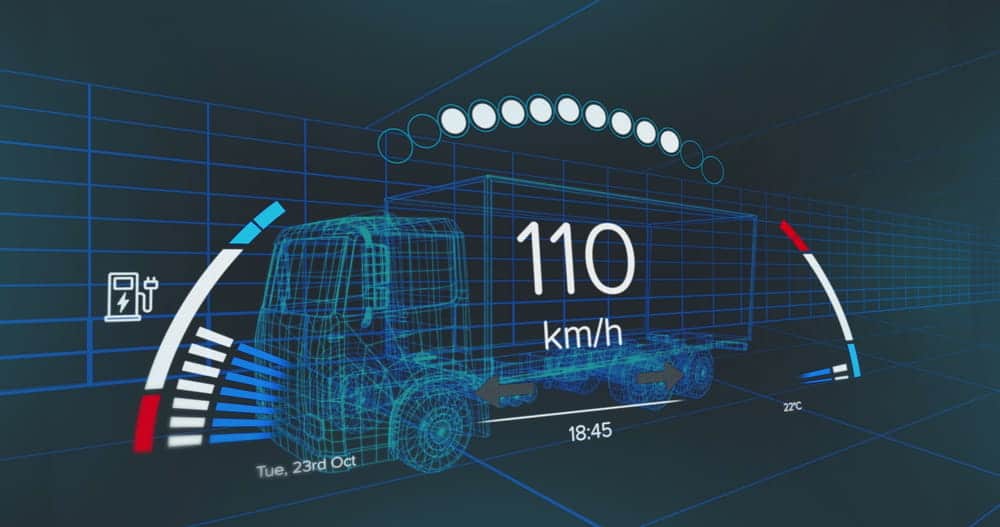
How Black Box Data Explains an Aiken Truck Crash
Electronic records may provide important details about vehicle activity before impact and help investigators evaluate disputed events.
Truck Systems Record Speed, Braking, and Movement
Many people use the term “black box data,” although commercial vehicles often store information across multiple systems. Depending on the vehicle and carrier, records may include speed, braking activity, engine performance, route history, and driver status. These records can help explain vehicle movement before impact, but investigators must compare them with other available evidence. Electronic logging devices, commonly known as ELDs, are one example of the systems that may provide valuable information during a truck accident investigation.
ELD Records Track Driving Time and Truck Movement
Many commercial vehicles use electronic logging devices that record driving activity and operational information throughout a trip. Federal regulations require carriers to keep a separate backup copy of ELD records for six months under 49 CFR § 395.22(i). When driving time becomes an issue, these records should be reviewed alongside schedules, location data, and supporting documents.
How Truck Data Tests Conflicting Crash Accounts
Recorded vehicle information may help investigators evaluate different versions of events after a serious commercial vehicle collision.
Recorded Data Challenges Driver and Witness Statements
Truck crashes often happen within seconds, and people involved may remember the same collision in very different ways. A driver may report slowing down, while witnesses recall excessive speed, and injured occupants may remember only the impact. Recorded vehicle information can help compare those accounts with documented activity, although investigators must still review all evidence carefully. The same records may also provide insight into whether driver fatigue contributed to the events leading up to the crash.
Driving Records Reveal Possible Driver Fatigue
Fatigue is not always visible after a collision, and drivers may appear alert despite demanding schedules beforehand. Driving records may reveal long work periods, limited rest, inconsistent logs, or other information requiring closer review. Attorneys often compare those records with schedules, fuel purchases, inspections, and testimony before connecting fatigue to a collision.

How Early Action Protects Truck Crash Evidence
Early preservation efforts may help protect important records before routine business activity affects available evidence.
Repairs and Overwrites Erase Critical Truck Data
- Truck data does not remain available indefinitely, and storage periods often vary across devices, software platforms, and fleet systems.
- Repairs, inspections, vehicle movement, service work, or improper downloads may alter information before investigators complete a full review.
- These records often become important immediately after a crash because trucking companies may have access to key vehicle data before an injured person does.
Preservation Requests Target Key Truck Records
- A lawyer may send written preservation requests covering vehicle records, company files, maintenance documents, route information, and communications.
- Depending on the circumstances, important evidence may include logging records, GPS information, telematics data, dash camera footage, and inspection reports.
- These requests do not establish fault, but they create a record that relevant evidence should remain available for review.
How Aiken Roads Change Truck Data Evidence
Local roadway conditions and county-specific records often provide important context when investigators evaluate recorded vehicle information.
Aiken County Records Add Claim-Specific Detail
Serious truck accident claims may involve crash reports, insurance negotiations, and court filings when disputes remain unresolved. Truck accident lawsuits filed in Aiken are generally heard in the Aiken County Court of Common Pleas, which operates within South Carolina’s Second Judicial Circuit and is located at the Aiken County Courthouse on Park Avenue SE. Court records provide one part of the overall picture, but investigators also examine the roadway itself when interpreting electronic vehicle data.
Road Design Changes How Speed Data Reads
Recorded speed information becomes more useful when investigators compare it with surrounding conditions at the collision location. Investigators do not evaluate recorded speed in isolation. They also consider factors such as traffic flow, visibility, nearby intersections, construction activity, road design, and the truck’s delivery route before drawing conclusions. Speed reading alone does not establish fault, but combined evidence can help explain driver conduct before impact.
How Truck Data Shapes Fault in South Carolina
Recorded vehicle information may help investigators evaluate responsibility when multiple explanations exist for the same collision.
Truck Data Links Driver Conduct to the Crash
- In a truck accident claim, injured people generally must show that another party acted carelessly and caused the resulting harm.
- Recorded information may reveal excessive speed, delayed braking, fatigue-related concerns, mechanical warnings, or route details that require closer review.
- Lawyers often compare those records with testimony, vehicle damage, inspections, company documents, and reconstruction findings before reaching conclusions.
Shared Fault Arguments Change Claim Value
- Trucking companies sometimes argue that another driver contributed through sudden braking, unsafe lane changes, following closely, or failing to yield.
- South Carolina law addresses how fault may be divided among responsible parties, including comparative negligence principles in S.C. Code § 15-38-15.
- Because insurers may focus on isolated data points, investigators should evaluate recorded information alongside all available evidence.

How Truck Data Affects Insurance Discussions
Recorded vehicle information may influence how insurers evaluate disputed facts, credibility concerns, and claim value.
Braking Data Contradicts Some Driver Accounts
A driver gets injured near Aiken after a tractor-trailer hits the rear of their vehicle at an intersection. The truck driver says they braked as soon as traffic slowed, but downloaded data shows they maintained speed until shortly before impact. Insurers may compare electronic records with statements and crash evidence, although the same data can also support a driver’s account when details align.
Early Statements Conflict With Truck Data
Insurance adjusters may contact injured people before anyone reviews available vehicle records or related electronic information. Because estimates about speed, timing, distance, or braking may later conflict with recorded data, accuracy matters. Before evidence becomes available, people should describe only clear memories, avoiding assumptions, guesses, or omissions.
Call an Aiken Truck Accident Lawyer
Black box data can play an important role in truck accident claims because it may reveal vehicle activity before impact. Records involving speed, braking, movement, driving time, and driver response can help investigators evaluate disputed facts. Even so, electronic information works best when compared with crash reports, witness accounts, physical evidence, and other available records.
For injured people, simply knowing electronic records exist is only part of the process. It is equally important to understand who controls those records, what information they contain, and their limitations. An experienced truck accident lawyer can take steps to preserve evidence, evaluate available records, and determine how they may affect a claim.
At Johnson, Johnson, Whittle, Lancer & Staggs, we understand how difficult it can be to find answers after a serious truck accident. Important evidence may exist in electronic records, company files, and vehicle systems, but access to that information often depends on taking timely action. Contact us today or call (803) 615-1248 to speak with our truck accident attorneys about your situation.