Driving the same road where a car crash in Aiken occurred can feel very different afterward. What was once a routine trip may now bring feelings of anxiety, nervousness, or hesitation behind the wheel. For many people, these emotional challenges continue even after physical injuries begin to improve.
The effects of a crash are not always limited to visible injuries or medical treatment. Emotional symptoms can affect confidence, concentration, sleep, and other aspects of daily life. As these difficulties persist, recovery often involves more than physical healing alone.
South Carolina law recognizes that accident-related losses may include more than medical expenses and lost income. Compensation may also be available for emotional suffering and mental anguish connected to an injury, as reflected in S.C. Code § 15-32-210. An experienced Aiken car accident lawyer can help evaluate these losses, preserve supporting evidence, and explain the legal options available after a serious collision.
Key Takeaways
- Emotional distress after a car crash in Aiken may affect sleep, concentration, relationships, and daily activities.
- Anxiety, fear, and driving-related stress often continue even after physical injuries begin healing.
- Medical records, counseling notes, and treatment history may help document emotional harm.
- Emotional suffering may be considered as part of recoverable damages in South Carolina injury claims.
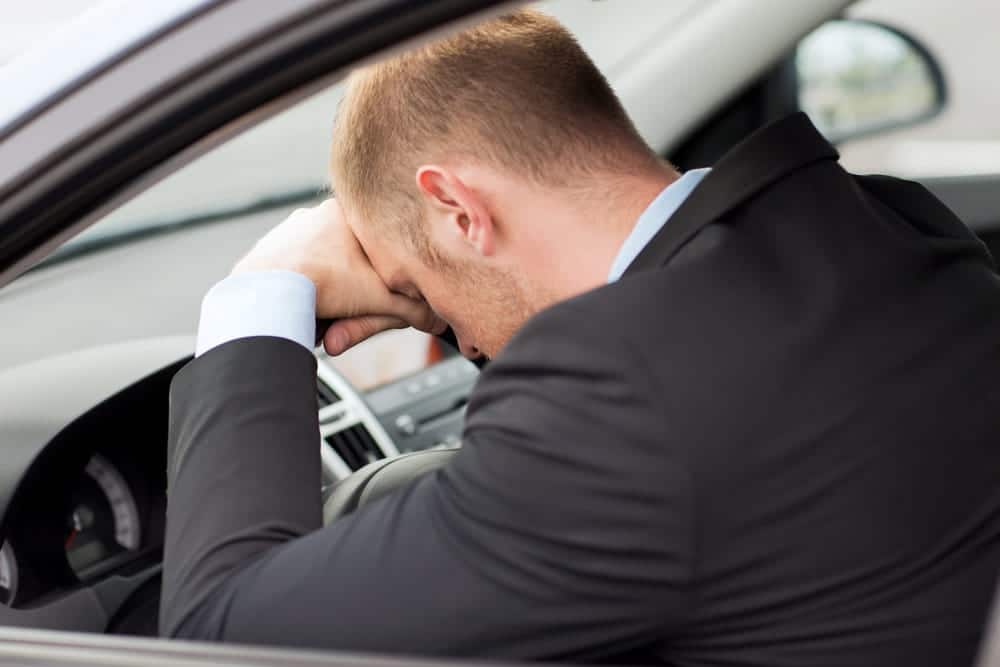

Recognize Emotional Distress After a Car Crash
The effects of a collision are not always limited to physical injuries. In many cases, emotional challenges become more noticeable after the immediate medical concerns begin to stabilize, making them easier to overlook during the early stages of recovery.
Identify Common Emotional Reactions
Anxiety, fear, sadness, irritability, and emotional withdrawal are common reactions after a serious collision. These feelings may appear immediately or develop gradually as the reality of the accident begins to settle in. Over time, many people find themselves avoiding certain activities, feeling less confident, or struggling to enjoy routines that once felt normal. As these changes become more noticeable, emotional recovery can feel just as challenging as physical healing.
Distinguish Temporary Stress From Ongoing Distress
Feeling stressed or overwhelmed after a collision is a natural response to a traumatic event. While many people gradually adjust as recovery progresses, persistent symptoms that continue for weeks or months may indicate a more significant emotional injury. Tracking how often these symptoms occur and how they affect daily life can provide important insight into the overall recovery process.
Understand Why Crashes Trigger Emotional Trauma
A serious collision can affect a person’s sense of safety and control.
Connect Sudden Collisions To Emotional Responses
- A car accident can happen without warning and disrupt daily life in an instant.
- The sudden loss of control often leaves people feeling fearful, uncertain, or vulnerable in situations that once felt familiar.
- Even after the immediate danger has passed, emotional reactions may continue as individuals process what happened.
Recognize Factors That Increase Emotional Impact
- The emotional effects of a collision are often influenced by more than the accident itself.
- Serious injuries, financial concerns, lifestyle changes, and lengthy recoveries can add stress during an already difficult period.
- As these challenges begin to overlap, emotional distress may become more noticeable and harder to manage.


Recognize Why Emotional Distress Often Goes Unnoticed
The emotional effects of a collision are not always obvious in the days after a crash.
Focus on Physical Injuries During Early Recovery
After a collision, most people focus on medical treatment, vehicle repairs, and insurance matters. These immediate concerns often require significant time and energy during the early stages of recovery. As a result, emotional symptoms may receive less attention while other problems take priority. Many people do not fully recognize these challenges until the most urgent issues have been addressed.
Notice Emotional Changes as Daily Life Returns
Emotional symptoms sometimes become more noticeable as everyday routines begin to return. Going back to work, caring for family responsibilities, or driving again may bring feelings of anxiety, fear, or frustration to the surface. Because these changes can develop gradually, they are not always immediately connected to the accident.
See How Emotional Distress Changes Daily Life
Emotional distress does not always remain confined to thoughts or feelings. As symptoms persist, they may begin to affect work performance, relationships, social activities, and other aspects of daily life.
Examine Effects on Work and Relationships
Emotional challenges may affect concentration, productivity, communication, and interactions with others. Tasks that once felt routine can become more difficult when anxiety, stress, or mood changes are present. Some people begin to withdraw from social activities or lose interest in hobbies they previously enjoyed. As these changes continue, both personal relationships and professional responsibilities may be affected.
Recognize Driving Anxiety After a Collision
Fear of driving is a common concern after a serious collision, especially in heavy traffic or unfamiliar conditions. For example, a person may physically recover from an accident yet still feel anxious approaching the intersection where the crash occurred. Over time, that anxiety may lead them to avoid certain roads, change familiar travel routes, or limit how often they drive. These behavioral changes can affect daily routines even when visible injuries have healed.
Identify Signs That Emotional Distress Requires Attention
Emotional distress can affect both mental and physical well-being after a collision.
Recognize Physical Symptoms of Emotional Trauma
The effects of emotional trauma are not always limited to thoughts and feelings. Many people experience insomnia, fatigue, headaches, appetite changes, or ongoing stress as they recover from a collision. These symptoms can interfere with daily activities and make recovery more challenging. In some cases, physical symptoms continue even after visible injuries begin to heal.
Determine When Professional Support May Help
Emotional challenges sometimes become more difficult to manage without additional support. Persistent anxiety, worsening symptoms, or trouble handling daily responsibilities may signal that further attention is needed. Seeking help early can provide useful tools for managing stress and addressing emotional concerns before they become more disruptive.

Document Emotional Distress and Its Impact
Documenting emotional distress can help create a clearer picture of how a collision affects daily life.
Gather Medical and Mental Health Records
Medical records, counseling notes, psychological evaluations, and healthcare observations may help document emotional distress after a collision. These records often show how symptoms develop, change, or continue throughout recovery. Additional evidence may include prescribed medications, treatment plans, personal journals, or statements from family members who have observed significant changes in behavior, mood, or daily functioning. Individuals who receive care from healthcare providers or counselors in Aiken may also create a more complete record of their experiences. These records may later be reviewed if a dispute involving emotional distress damages proceeds through the Aiken County Court of Common Pleas.
Connect Emotional Harm to South Carolina Claims
Emotional suffering may be considered when evaluating the overall impact of accident-related injuries. In addition to physical pain, injury claims may account for losses such as mental anguish, anxiety, emotional distress, and reduced enjoyment of daily activities. Evidence showing how symptoms affect work, relationships, sleep, and overall quality of life can help explain the full extent of those losses.
South Carolina follows modified comparative negligence rules, meaning compensation may be reduced if an injured person shares fault for a collision. In general, an injured person cannot recover damages if they are found to be more than 50% responsible for the accident.
Call an Aiken Car Accident Lawyer
Emotional distress can affect many parts of life after a collision, including daily routines, relationships, and overall well-being. Because these challenges are not always visible, they may go unnoticed during the early stages of recovery. Over time, however, their impact can become difficult to ignore.
Recognizing emotional symptoms early and maintaining clear records can help individuals better understand the full impact of a collision. Consistent treatment and documentation may also provide valuable evidence if emotional distress becomes part of an injury claim. Understanding how these losses are evaluated under South Carolina law can help people make informed decisions throughout the recovery process.
At Johnson, Johnson, Whittle, Lancer & Staggs, we understand that the effects of a car crash in Aiken often extend beyond physical injuries. Our team can review your situation, explain how emotional distress may affect a claim, and help protect your interests throughout the recovery process. Contact us today or call us at (803) 615-1248 to speak with an experienced car accident lawyer in Aiken about your legal options.


