You hear a hard impact at an Aiken intersection, then watch the driver who struck your vehicle disappear down the road. After a hit-and-run in Aiken, move somewhere safe, check for injuries, call law enforcement, and record details about the fleeing vehicle. Seek medical attention when necessary, then notify your insurer after addressing immediate safety concerns and preserving available evidence.
South Carolina requires drivers involved in injury crashes to stop, remain at the scene, and fulfill certain duties before leaving. Different rules govern property-damage collisions, while unidentified-driver insurance claims have additional reporting and evidence requirements that injured motorists should understand.
Photographs, witness information, police records, and medical documents can help explain what happened when the other driver cannot be found. Johnson, Johnson, Whittle, Lancer & Staggs’ Aiken car accident lawyers can examine the collision evidence, insurance coverage, and potential recovery options.
Key Takeaways
- Prioritize safety, obtain necessary medical care, report the collision, and record identifying information about the fleeing vehicle.
- Preserve photographs, witness details, police records, and possible camera footage before important evidence becomes unavailable.
- Certain uninvestigated crashes require a written DMV report within 15 days, while unidentified-driver insurance claims have separate police-reporting requirements.
- Uninsured-motorist coverage may help when the fleeing driver remains unidentified, provided the applicable legal and policy conditions are satisfied.

What Should You Do First After a Hit-and-Run in Aiken?
The minutes following a hit-and-run can determine whether witnesses remain nearby and whether important identifying details are still available.
How Should You Address Safety and Injuries First?
Move away from approaching traffic when possible, and request emergency medical assistance for anyone experiencing serious or potentially dangerous injuries. Do not chase the fleeing vehicle because another collision could occur while you are trying to identify the responsible driver. If symptoms appear after leaving the scene, obtain appropriate medical attention and explain when those symptoms first developed.
What Details Should You Record Before Leaving the Scene?
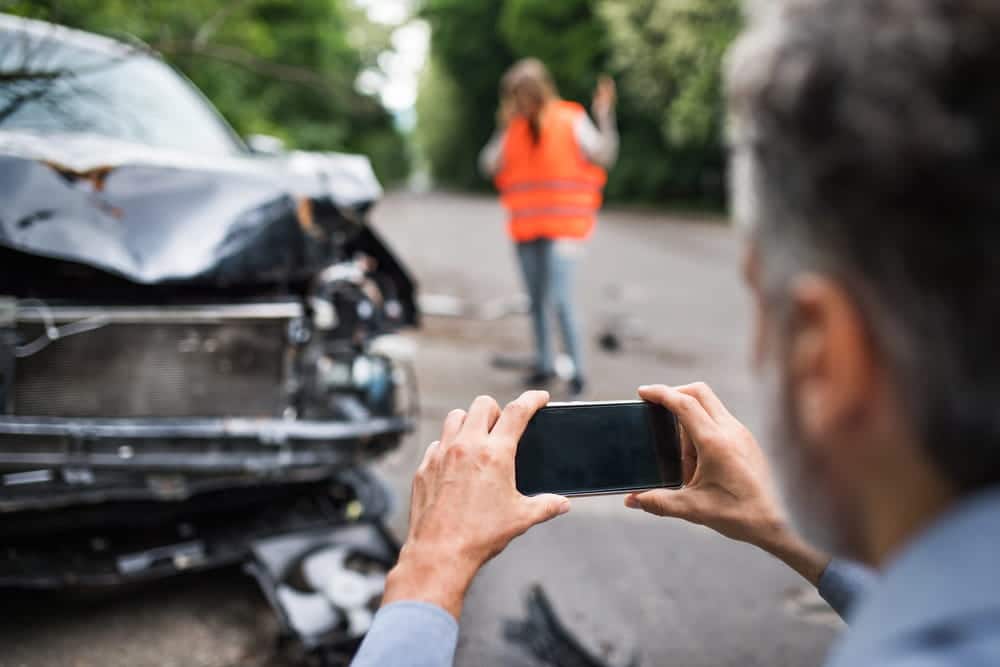
Write down any license plate characters, vehicle color, make, model, visible damage, and travel direction you actually remember seeing. Photograph your vehicle, nearby debris, traffic signals, and roadway conditions when doing so will not place anyone in danger. Ask witnesses for their contact information and identify nearby cameras, without guessing missing details or assuming footage captured the crash.
Why Should You Report an Aiken Hit-and-Run Quickly?
Reporting creates an official record, while separate South Carolina requirements determine whether additional paperwork or timely police notification is necessary.
What Information Should You Provide When Reporting the Crash?
Tell officers where the collision occurred, whether anyone was injured, and what you observed about the fleeing driver or vehicle. South Carolina requires immediate notification of injury or fatal crashes, and certain uninvestigated collisions require a separate written DMV report. For uninvestigated crashes involving injury, death, or apparent property damage of at least $1,000, South Carolina Code § 56-5-1270 establishes a 15-day deadline. That DMV filing does not replace the separate police-reporting requirement for uninsured-motorist claims involving drivers whose identities remain unknown.
How Can Aiken 911 Help You Report the Crash?
Call 911 when someone needs emergency medical assistance, the collision creates an immediate danger, or urgent police response is necessary. The City of Aiken Department of Public Safety provides police services within city limits, while Aiken County’s 911 system routes emergency calls. Tell the dispatcher your location, describe any injuries, and explain the fleeing vehicle’s direction without speculating about missing details.

What Proof Does an Unknown-Driver Claim Require?
A driver disappearing does not automatically establish uninsured-motorist coverage, because South Carolina requires particular evidence and reasonable identification efforts.
The law recognizes three alternative forms of qualifying evidence:
- Physical contact: The unidentified vehicle caused the claimed injury or damage through physical contact.
- Witness evidence: Someone other than the insured vehicle’s owner or operator witnessed the collision and supplies the required affidavit, or the statutory pre-suit deposition procedure applies.
- Recorded evidence: A recording shows that the unidentified vehicle caused the injury or property damage.
Which Evidence Meets the Insurance Requirements?
South Carolina requires unidentified-driver accidents to be reported to an appropriate police authority within a reasonable time under the circumstances. South Carolina law also requires qualifying evidence through physical contact, a qualifying witness, or a recording showing the unknown vehicle caused harm. The insured must not have been negligent in failing to identify the other vehicle and driver when the accident occurred. Witness evidence requires the statutory affidavit, although a court-ordered pre-suit deposition may be available when that affidavit cannot be obtained.
What If You Remember Only Part of the License Plate?
An Aiken driver remembers only three license plate characters after another motorist strikes the vehicle and leaves without stopping. A nearby witness saw the collision and provides contact information before leaving the scene with several other motorists. The witness’s signed affidavit may support the insurance claim if the driver also satisfies the remaining statutory reporting and identification requirements.
How Should You Handle Insurance and Crash Records?
Insurance correspondence may reveal coverage disputes, while medical and financial records establish the losses associated with the collision.
Useful records include:
- Medical records and bills: Treatment summaries, prescriptions, medical invoices, and payment receipts.
- Vehicle expenses: Repair estimates, towing charges, storage fees, and rental-car receipts.
- Photographs and recordings: Vehicle damage, roadway conditions, debris, and available collision footage.
- Lost-income records: Pay statements, missed-work records, and relevant employer documentation.
- Insurance communications: Claim numbers, coverage letters, adjuster requests, and written responses.
- Police and witness information: Collision report details, witness contact information, and available statements.
Can Insurance Help If the Driver Remains Unidentified?
South Carolina requires uninsured-motorist coverage in applicable automobile liability policies, offering potential protection when an at-fault driver remains unidentified. Payment still depends on satisfying the unknown-driver requirements, establishing covered losses, and meeting the terms of the applicable policy. Notify your insurer promptly and retain its written responses, especially if the company questions identification efforts or available evidence.
Which Medical and Financial Records Should You Preserve?
Medical bills and treatment summaries help connect claimed expenses with the injuries documented after your Aiken hit-and-run collision. Repair estimates, towing invoices, and rental receipts can establish vehicle-related costs, while employment records may support documented lost income. Organize records by date to distinguish collision-related expenses from unrelated charges and identify outstanding payments or insurance requests.

What Should You Do After Reporting the Hit-and-Run?
An investigation may continue after you leave the scene, especially when businesses, witnesses, or insurers hold evidence not immediately available.
Which Evidence May Require Follow-Up After the Crash?
Ask nearby businesses whether security recordings exist and can be preserved before routine recording systems overwrite potentially relevant footage. For a collision investigated by law enforcement, request the processed report through the South Carolina DMV’s collision-report service. The DMV accepts eligible online requests and Form FR-50 submissions, with official reports becoming available after processing is complete. Keep a record of whom you contacted, when you requested evidence, and whether any footage or documents were available.
When Should You Seek Legal Advice About the Hit-and-Run?
Consider legal advice when the responsible driver remains unidentified, your injuries require substantial treatment, or an insurer disputes coverage. An attorney can evaluate whether police reporting, witness evidence, recordings, and identification efforts satisfy South Carolina’s unidentified-driver insurance requirements. Legal review may also address disputed medical expenses, lost earnings, vehicle damage, and questions about available policy benefits.
Call an Aiken Car Accident Lawyer
An Aiken hit-and-run can leave injured motorists facing medical bills, vehicle repairs, and unanswered questions about insurance coverage. Preserving evidence and meeting separate reporting requirements may become especially important when investigators cannot identify the driver responsible.
Johnson, Johnson, Whittle, Lancer & Staggs has served Aiken since 1980 and handles personal injury matters involving car accidents. Our firm can review collision reports, witness evidence, uninsured-motorist coverage, and unresolved questions about the driver who left. Contact us today or call (803) 615-1248 to discuss the circumstances of your Aiken hit-and-run and the legal options that may be available.


