The first phone call to an insurance company often comes before drivers have fully processed everything that happened after a car accident in Aiken. Reporting the collision, preserving evidence, understanding available coverage, and communicating with insurance companies can all affect how a claim moves forward. Knowing what to expect early may reduce confusion and help prevent unnecessary delays.
South Carolina requires every driver to carry at least a minimum amount of automobile liability insurance before driving legally. S.C. Code Ann. § 38-77-140 establishes the minimum insurance requirements for drivers throughout the state. Because insurance companies may begin reviewing claims quickly, gathering records and reporting the accident without unnecessary delay is often important.
Keeping documents organized from the beginning can make it easier to respond to insurance requests and support the claim with accurate information. An experienced Aiken car accident lawyer can explain the claims process, identify important evidence, and address concerns that arise during insurance communications. Understanding these early steps allows injured drivers to make informed decisions while protecting their interests throughout the claims process.
Key Takeaways
- Prompt accident reporting and early evidence collection help support a stronger insurance claim.
- Insurance companies review fault, medical records, repair estimates, and supporting documentation before deciding claims.
- Available compensation depends on insurance coverage, liability findings, and South Carolina comparative negligence rules.
- Organized records and timely responses can help prevent delays throughout the insurance claims process.


What Should You Do Right After a Car Accident
The actions taken immediately after a collision often influence what happens throughout the insurance process.
Why Should You Report the Accident Promptly
Drivers should contact law enforcement whenever a collision involves injuries, deaths, or damage that requires an official response. They should also exchange contact, vehicle, and insurance details with everyone involved before leaving the scene. Promptly notifying the insurance company allows the claim to begin while important facts remain fresh and easier to verify.
What Evidence Should You Gather First
Photographs, witness contact information, vehicle damage, road conditions, and visible injuries may all become important during the claim. Towing records, repair estimates, medical records, and other documents also help explain what happened after the collision. Collecting this information early creates a clearer record and allows an experienced lawyer to evaluate the claim more effectively.
How Do You Begin the Insurance Claims Process
Opening a claim starts with providing clear information and understanding which insurance coverage may apply.
What Information Will the Insurance Company Request
Insurance companies often request the accident date, location, driver information, vehicle details, and a description of what happened. Providing accurate information allows the insurer to begin reviewing the claim more efficiently. Drivers should avoid guessing about fault or injuries because additional evidence or medical findings may become available as the investigation continues.
Which Insurance Coverage May Apply
Liability coverage may pay for injuries or property damage caused to others, while collision coverage may help pay for repairs to your own vehicle. Uninsured and underinsured motorist coverage may apply when the at-fault driver lacks enough insurance to cover the losses. The coverage available depends on the policies involved, and claims for property damage often follow a different process than claims involving physical injuries.
How Does the Insurance Company Evaluate a Claim
Insurance companies review the available evidence before deciding how the claim should proceed.
What Documents Help Prove Your Losses
Collision reports, repair estimates, medical records, photographs, receipts, and insurance correspondence help document what happened after the accident. Insurance companies compare these records when reviewing property damage and injury claims for accuracy and consistency. Organized documentation often answers important questions early and allows the investigation to move forward more efficiently.
How Does Fault Affect an Insurance Claim
Insurance companies review photographs, witness statements, collision reports, and other available evidence when determining responsibility for the accident. South Carolina follows a modified comparative negligence system, and the law may reduce or prevent recovery when a driver’s share of fault reaches the legal limit. Because responsibility affects liability, these findings often play an important role during settlement discussions.

What Challenges Can Affect an Insurance Claim
Several issues may affect how quickly an insurance claim moves from investigation to resolution.
Why Do Some Insurance Claims Take Longer
Incomplete records, disputed responsibility, inconsistent information, delayed medical treatment, and unanswered insurance requests may all slow a claim. These issues often require additional review before the investigation or settlement process can continue. Keeping records complete, responding promptly, and following recommended treatment may help avoid unnecessary delays.
How Should You Review a Settlement Offer
Before making a settlement offer, the insurance company reviews the available evidence, documented losses, repair costs, medical records, and policy terms. Drivers should understand exactly which damages the proposed settlement covers before deciding whether to accept it. Reviewing the offer with an experienced lawyer may help identify unresolved issues before the claim is finalized.
How Can You Keep the Insurance Claim Moving
Careful communication and complete records often keep the claims process moving in the right direction.
How Should You Respond to Additional Requests
As the investigation continues, the insurance company may request additional photographs, repair estimates, medical records, or other documents. For example, a driver might submit updated repair estimates after an adjuster asks for additional documentation. Responding with complete information as soon as possible may help prevent unnecessary delays and keep the claim moving forward.
What Records Should You Keep Until the Claim Ends
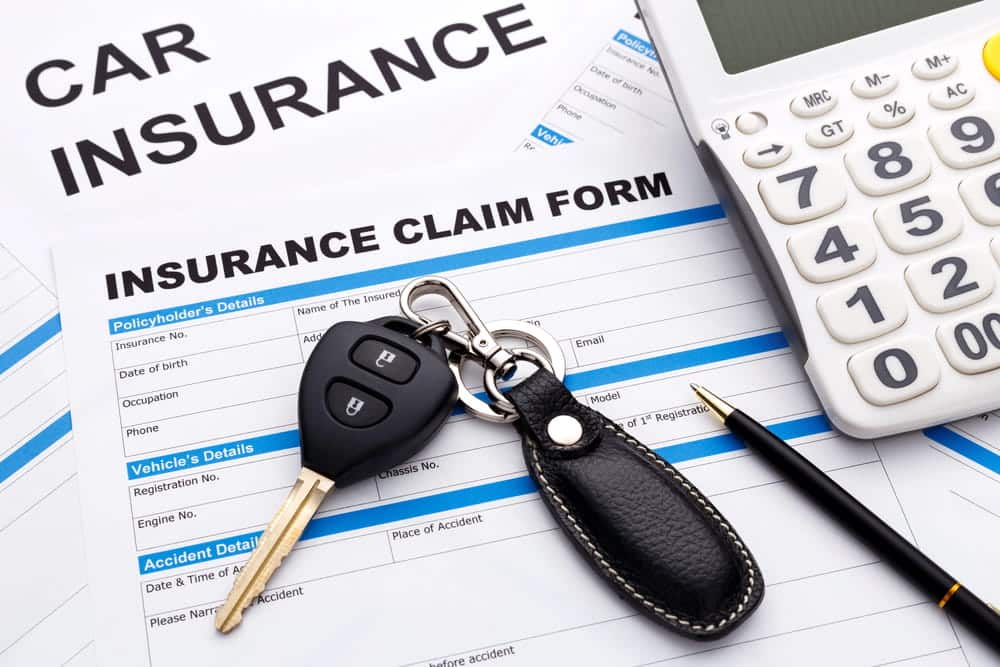
Drivers should keep copies of claim forms, repair invoices, medical records, receipts, insurance correspondence, claim numbers, deadlines, and other important communications. These records make it easier to respond to questions, verify expenses, and document each stage of the claim. Although many claims resolve without litigation, complete records may become especially important if a dispute later proceeds through the Aiken County Court of Common Pleas.

How Can You Avoid Common Insurance Mistakes
Careful preparation and consistent recordkeeping often make the claims process easier to manage.
Which Mistakes Can Weaken a Claim
- Missing deadlines, incomplete documentation, inconsistent information, and poor recordkeeping may create unnecessary challenges during a claim.
- Responding promptly and maintaining accurate records helps insurance companies review the available information more efficiently.
- Careful preparation often prevents avoidable problems and supports steady progress throughout the claims process.
How Can You Stay Organized Throughout the Process
- Keeping claim documents together makes important information easier to find when questions arise.
- Tracking claim numbers, deadlines, correspondence, and new records also supports clear communication throughout the process.
- Staying organized from beginning to end helps reduce confusion as the insurance company continues to review the claim.
Call an Aiken Car Accident Lawyer
After a car accident in Aiken, taking the right steps early can make the insurance claims process easier to manage. Promptly reporting the collision, preserving evidence, understanding available coverage, and keeping organized records may help reduce unnecessary delays while supporting a well-documented claim.
At Johnson, Johnson, Whittle, Lancer & Staggs, our experienced team helps clients understand the insurance claims process after a car accident in Aiken. We can explain your options, review important records, and address concerns that arise during the claim. Contact us today or call us at (803) 615-1248 to speak with an experienced car accident lawyer in Aiken and learn how we can help protect your interests.


