A bag of powder is seized during an Aiken drug arrest, and police say it contains an illegal drug. In drug cases in Aiken, laboratory testing can identify the substance and measure its weight, which may influence the charge prosecutors pursue. However, a lab result alone does not prove possession, knowledge, or intent.
South Carolina uses the type and amount of certain controlled substances to distinguish among drug offenses. For cocaine, the cocaine trafficking threshold in South Carolina Code § 44-53-370 begins at 10 grams, including qualifying mixtures containing cocaine. That makes the laboratory’s identification and reported weight important when determining which charge the evidence may support.
Laboratory findings therefore answer only part of the prosecution’s case. Evidence about where the drugs were found, who controlled the area, and what other circumstances surrounded the seizure can remain important. An Aiken drug crimes lawyer can compare those facts with the testing, reported quantity, and exhibit records.
Key Takeaways
- Laboratory testing can identify seized substances and measure quantities that may affect South Carolina charges.
- A positive laboratory result does not independently prove possession, knowledge, or intent in a drug case.
- Drug weight can significantly affect charges because South Carolina applies specific trafficking thresholds to certain substances.
- Exhibit numbers, package descriptions, quantities, and laboratory records can connect tested substances to seized evidence.
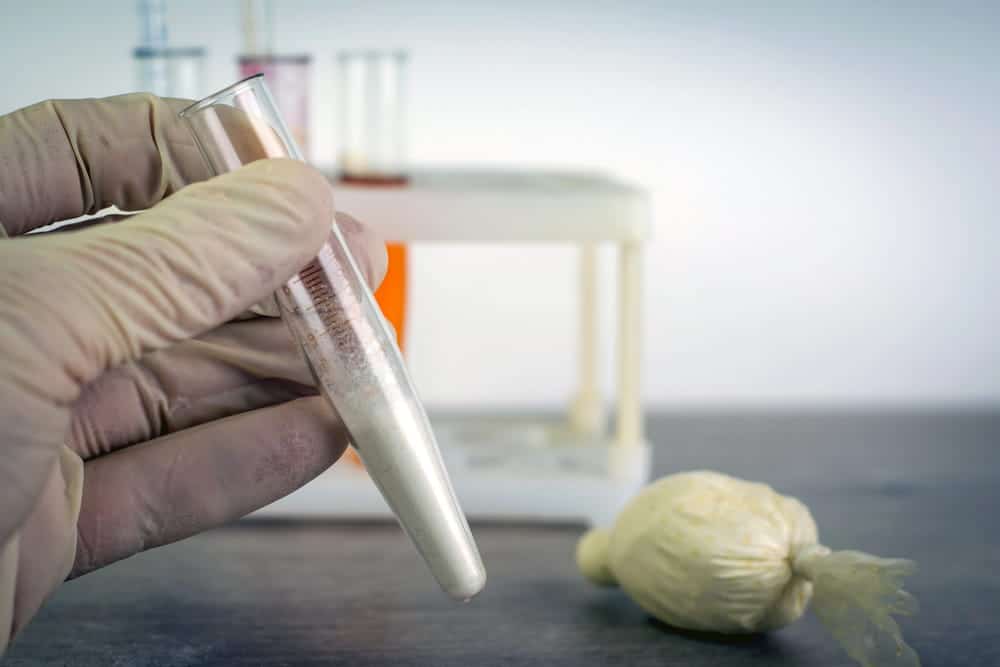
What Can Lab Testing Reveal About Drugs Seized in Aiken?
Laboratory analysis can identify the seized material and establish its reported quantity when that amount matters to the charge.
How Does a Lab Confirm What Substance Police Seized?
The SLED Drug Analysis Department examines non-biological evidence to determine the presence, identity, and quantity of controlled substances. Initial screening may use chemical tests, reference materials, or microscopy, while confirmatory testing uses scientific instrumentation before SLED reports the result.
What Does a Positive Lab Result Prove About the Charge?
A confirmed laboratory result provides evidence that the tested material contains the substance identified in the final report. It does not establish who possessed the substance, knew it was present, or intended to distribute it. Prosecutors must rely on other evidence when those elements are disputed.
Why Does It Matter Which Drug Evidence the Lab Tests?
Which items receive confirmation matters because laboratory records should show what was tested and how other material was handled.
Does the Lab Confirm Every Item Police Seize?
SLED guidance states submitted evidence is examined, counted, and weighed, but confirmation may cover only enough evidence to support the highest charge. Remaining samples may receive indicative testing rather than full confirmation. Laboratory records can therefore matter when determining exactly which exhibits received confirmatory testing.
How Can Testing Some Packages Affect a Multi-Item Case?
Officers in Aiken seize several marked packets, while laboratory records show confirmed findings for particular exhibits. Comparing those findings with exhibit numbers can show which material was confirmed and how remaining items were treated. That comparison matters when the State relies on several items to establish drug identity or a quantity threshold.

When Can Drug Weight Change the Charge in South Carolina?
Drug weight can affect the charge because South Carolina uses different quantity thresholds for particular substances.
Why Can the Weight in a Lab Report Affect the Charge?
Laboratory analysis can establish both the identified substance and the amount of legally relevant material involved. For cocaine, the 10-gram rule applies to cocaine or mixtures containing cocaine, not only pure cocaine. Accurate measurement matters near a statutory threshold and avoids assumptions based only on package size or appearance.
Do Different Drugs Use Different Weight Thresholds?
Yes, South Carolina uses different quantity rules for different controlled substances. South Carolina’s methamphetamine trafficking threshold begins at 10 grams under § 44-53-375(C). The same rule covers cocaine base, while other drugs can use different quantity thresholds.
How Does the State Connect Seized Drugs to the Lab Result?
The State must connect laboratory findings to seized evidence, and several records can help show whether that connection exists.
- Exhibit numbers matching laboratory records to specific seized items
- Package descriptions showing how submitted evidence was labeled or described
- Item counts showing how many packets, pills, containers, or other items were submitted
- Reported quantities documenting the amount attributed to tested material
- Identified substances showing what the laboratory reported for each relevant exhibit
How Can Records Show the Lab Tested the Same Evidence?
Together, these records help show whether the laboratory result corresponds to the evidence police seized. Matching exhibit numbers, descriptions, and quantities can connect a scientific finding to the item prosecutors rely upon. The same comparison can reveal inconsistencies between submission records and the final laboratory report.
Can Evidence-Tracking Problems Weaken the Lab Evidence?
A record discrepancy does not necessarily alter the chemistry, but it can raise questions about which evidence produced the result. Comparing the records can show whether quantities, item descriptions, and identified substances track the relevant exhibits. The key question is whether the difference affects a fact prosecutors rely on or merely reflects a clerical error.

How Can Lab Evidence Affect Drug Cases in Aiken?
Laboratory findings matter in court when prosecutors rely on them to establish facts supporting the particular charge.
Where Can Lab Evidence Matter in an Aiken Drug Prosecution?
Drug prosecutions within Aiken County can proceed in General Sessions Court, part of South Carolina’s Second Judicial Circuit. South Carolina court rules address chemical-analysis reports and the records used to identify tested evidence in criminal cases. That makes the laboratory report, identified exhibits, and reported quantities directly relevant when prosecutors rely on scientific testing in an Aiken case.
What Can a Lawyer Look for in the Drug Lab Evidence?
A defense lawyer can trace the alleged substance from seizure through testing, quantity, and related records. Eric M. Staggs handles criminal defense and previously represented defendants as an assistant public defender in Magistrate and General Sessions courts. That background matters when reviewing whether disputed identity, quantity, or exhibit connections affect the facts prosecutors rely on.
Contact an Aiken Drug Crimes Lawyer
A confirmed drug identification is only one part of evaluating laboratory evidence in an Aiken prosecution. The reported weight, tested exhibits, and surrounding evidence can determine how much the laboratory findings actually establish.
Johnson, Johnson, Whittle, Lancer & Staggs has served Aiken since 1980 and represents clients in criminal defense matters. If your drug case involves laboratory testing, disputed quantities, or questions about seized evidence, an Aiken criminal defense lawyer can explain what the evidence may mean for your case. Contact us today or call (803) 615-1248 to discuss your specific situation.