A cyclist enters an intersection with the right of way when a turning car suddenly crosses the cyclist’s path. A collision alone does not establish negligence because the cyclist must prove duty, breach, causation, and damages. Traffic laws can help establish what conduct was expected of the driver. South Carolina Code § 56-5-3435 requires motorists to maintain a safe operating distance when passing a bicycle.
The law does not require drivers to maintain a fixed three-foot distance. Whether the driver acted safely can depend on traffic, road conditions, vehicle position, and other circumstances surrounding the crash. Neutral evidence often matters most when the driver and cyclist give different accounts of what happened.
Photos, video, witness accounts, and medical records can show what happened and connect the cyclist’s injuries to the crash. Financial records can document losses, while other evidence may address claims that the cyclist also contributed to the collision. A personal injury lawyer in Aiken can gather this evidence and explain how each fact may affect the claim.
Key Takeaways
- Cyclists must prove duty, breach, causation, and resulting harm because a bicycle collision alone does not establish negligence.
- Photos, videos, witnesses, and physical evidence can clarify driver conduct when parties provide conflicting accounts of events.
- Shared fault may reduce or prevent recovery when evidence shows the cyclist also contributed to causing the collision.
- Medical and financial records help connect injuries and economic losses to the crash while documenting resulting damages.
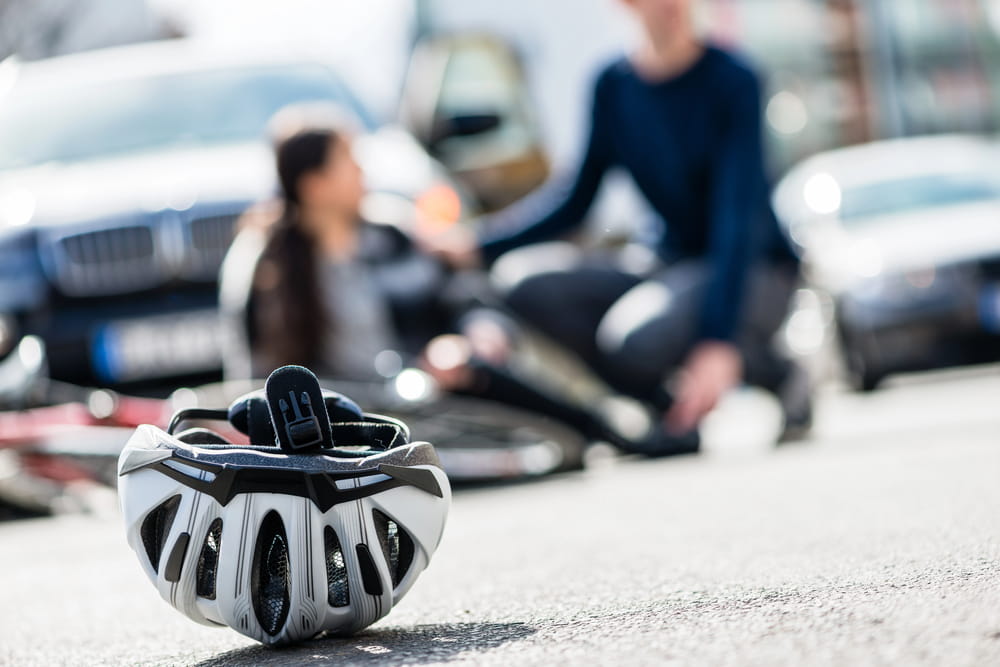

What Must a Cyclist Prove to Establish Driver Negligence
Proving fault requires evidence showing what the driver did, how that conduct caused the crash, and what harm followed.
When Does Driver Conduct Breach a Duty Owed to Cyclists
Drivers must use reasonable care around cyclists and others sharing the road. Unsafe passing, distraction, excessive speed, improper turns, or failing to yield may show a breach. Evidence must show what the driver did or failed to do before the collision.
How Do Causation and Damages Complete a Negligence Claim
Careless driving is not enough unless the cyclist connects that conduct to the collision and resulting harm. Crash evidence can show how the driver’s actions caused the cyclist’s injuries. Medical, wage, and property records then document the physical and financial losses linked to those injuries.
Which Evidence Best Shows How the Bike Accident Happened
Different forms of crash evidence can establish vehicle position, movement, visibility, and other conditions before impact.
Which Crash Scene Details Can Reconstruct the Collision
Photos of damage, debris, lane markings, traffic controls, roadway layout, and impact points can help reconstruct the collision. When present, skid marks, blocked sightlines, and resting positions may provide additional clues about movement before impact. Together, these details can show whether a driver passed closely, failed to yield, turned improperly, or reacted too late.
How Can Video and Witnesses Resolve Conflicting Accounts
A driver may claim the cyclist moved farther into the travel lane before impact. A witness or available video can clarify lane position, speed, signals, visibility, passing distance, and movement. Physical evidence can still help resolve the dispute when no independent witness or recording exists.
How Can Traffic Rules Strengthen a Negligence Argument
Traffic rules define expected driving conduct, while surrounding evidence shows whether the driver failed to meet that standard.
When Can a Bicycle Safety Rule Support Proof of Breach
South Carolina law requires motorists to maintain a safe operating distance when passing a bicycle. Evidence showing how closely the vehicle passed can help establish whether the driver violated that requirement. Video, witnesses, lane position, and vehicle damage can help establish what happened before impact.
Why Does a Traffic Violation Not Prove the Whole Claim
A traffic violation can help establish breach, but it does not establish every element of negligence. The cyclist must still connect the driver’s conduct to the collision and prove resulting harm. A traffic citation therefore does not, by itself, determine civil liability for the crash.

How Does Shared Fault Affect a Cyclist’s Negligence Claim
Shared fault can reduce compensation or bar recovery when evidence shows the injured person also contributed to the collision.
Which Facts Can Increase a Cyclist’s Percentage of Fault
An insurer may question the cyclist’s road position, visibility, signals, attentiveness, direction, or movement before impact. Photographs, video, witnesses, and physical damage can test those allegations and show whether the cyclist’s conduct contributed to the collision.
How Can Shared Fault Reduce or Bar a Cyclist’s Recovery
South Carolina follows modified comparative negligence, which generally permits recovery when an injured person’s fault does not exceed 50 percent. Any recovery is reduced according to that person’s share of fault, while greater fault can prevent recovery. When fault is disputed, the evidence helps determine how responsibility should be divided among the parties.
How Do Records Prove Crash Injuries and Financial Losses
Medical, employment, and expense records can connect documented injuries and financial losses to the collision and its effects.
How Can Treatment Records Connect Injuries to the Crash
Emergency records, diagnostic findings, physician notes, and follow-up care can document when injuries appeared and how treatment progressed. Treatment gaps or preexisting conditions may affect disputes about causation or severity without automatically defeating the claim. Medical evidence addresses the injuries and their connection to the crash rather than whether the driver breached a duty.
Which Records Show the Financial Effects of the Injuries
Records that can help document the financial effects of a bike accident include:
- Medical bills and rehabilitation costs documenting expenses related to treatment and recovery.
- Wage and employment records showing missed work or reduced earnings connected to injury-related limitations.
- Property records documenting damage to the bicycle or other personal property.
Future treatment costs or income losses require supporting evidence because anticipated expenses and limitations are not automatically recoverable.

What Evidence Should You Preserve After an Aiken Bike Crash
Early preservation can prevent important crash evidence from disappearing before responsibility is resolved.
What Evidence Can Disappear Before Fault Is Resolved
Video may be overwritten, damaged property may be repaired, and witnesses’ memories can fade after a crash. Preserving that evidence can protect details about passing distance, lane position, visibility, and movement for comparison with later statements and reports.
Which Aiken Records Can Help Document the Bicycle Crash
Aiken Public Safety, located at 834 Beaufort Street NE, may hold records related to crashes it investigates. A report can help identify parties, witnesses, statements, and observations recorded near the time of the collision. Those details can then be compared with photographs, physical evidence, medical records, and later accounts of what happened.
Contact an Aiken Personal Injury Lawyer
Proving negligence requires connecting the driver’s conduct to the collision and documenting the harm that followed. Evidence gathered soon after the crash can become especially important when the driver and cyclist disagree about what occurred. Preserving that evidence gives an attorney a factual record to evaluate.
At Johnson, Johnson, Whittle, Lancer & Staggs, we have represented injured people across Aiken County since 1980. We can review crash evidence, address disputed fault, and explain how South Carolina law may affect your claim. Contact us today or call (803) 615-1248 to discuss your situation and the options available.


