Hours after a DUI arrest, you may wonder whether the breath-test number has already decided your case. It has not, although the result can become important evidence against you. South Carolina prohibits driving with an alcohol concentration of 0.08% or higher under South Carolina Code § 56-5-2933.
A “failed breath test” is everyday language, not a legal finding of guilt. The reported number should be considered alongside the procedures used to produce and document it. Equipment checks, operator certification, and the required pre-test waiting period can all become part of that review.
Records and video from the testing process can show whether those requirements were followed. A DUI lawyer in Aiken can review that evidence and explain how the breath-test result was obtained and documented.
Key Takeaways
- A reported breath-test number is only one part of the evidence that may be reviewed after a DUI arrest.
- Equipment and simulator records can show whether required checks were completed before testing.
- Operator records can show whether the person administering the test held the required qualification.
- Video and testing records can document what occurred during the required 20-minute pre-test waiting period.

What Happens Immediately After a Failed Breath Test in Aiken?
After testing, the reported result becomes part of the evidence that may be compared with records and video documenting the procedure.
How Does the Breath Result Affect the Criminal Charge?
The reported breath result can become evidence supporting the alcohol-related charge, but the number does not establish guilt by itself. The State must still prove the charged offense with admissible evidence. That makes the records showing how the breath test was performed and documented important to review.
Which Records Document the Breath-Test Procedure?
Breath-test records can document the reported result, equipment checks, operator information, and other parts of the testing process. The breath-test-site video provides another record of what occurred before and during testing. Comparing these materials can reveal whether the written records and video consistently document the required procedure.
Why Does the Breath-Test Number Need Supporting Evidence?
The reported concentration has legal significance, while the testing records document the process used to produce it.
What Does a Result of 0.08% Mean?
A result of 0.08% or higher can support a DUAC charge under South Carolina law. The reported concentration does not eliminate questions about how the test was administered and documented. Equipment checks, operator qualifications, and the pre-test waiting period can therefore remain important when the result is reviewed.
Which Parts of the Breath-Test Procedure May Need Review?
Reviewing the breath test can involve the equipment check, the operator’s qualifications, and the procedures followed before the sample was taken.
Why Do Equipment and Simulator Records Matter?
South Carolina requires a simulator test before the breath test is administered. The 0.08% simulator test must produce a reading between 0.076% and 0.084%. Testing records can show whether that required equipment check produced a result within the permitted range.
Why Does Operator Certification Matter?
South Carolina requires the breath test to be administered by a person trained and certified by the South Carolina Criminal Justice Academy pursuant to SLED policies. Certification records can show whether the person administering the test held the required qualification at that time. The remaining testing records can then be compared with the required procedure to evaluate how the test was administered.
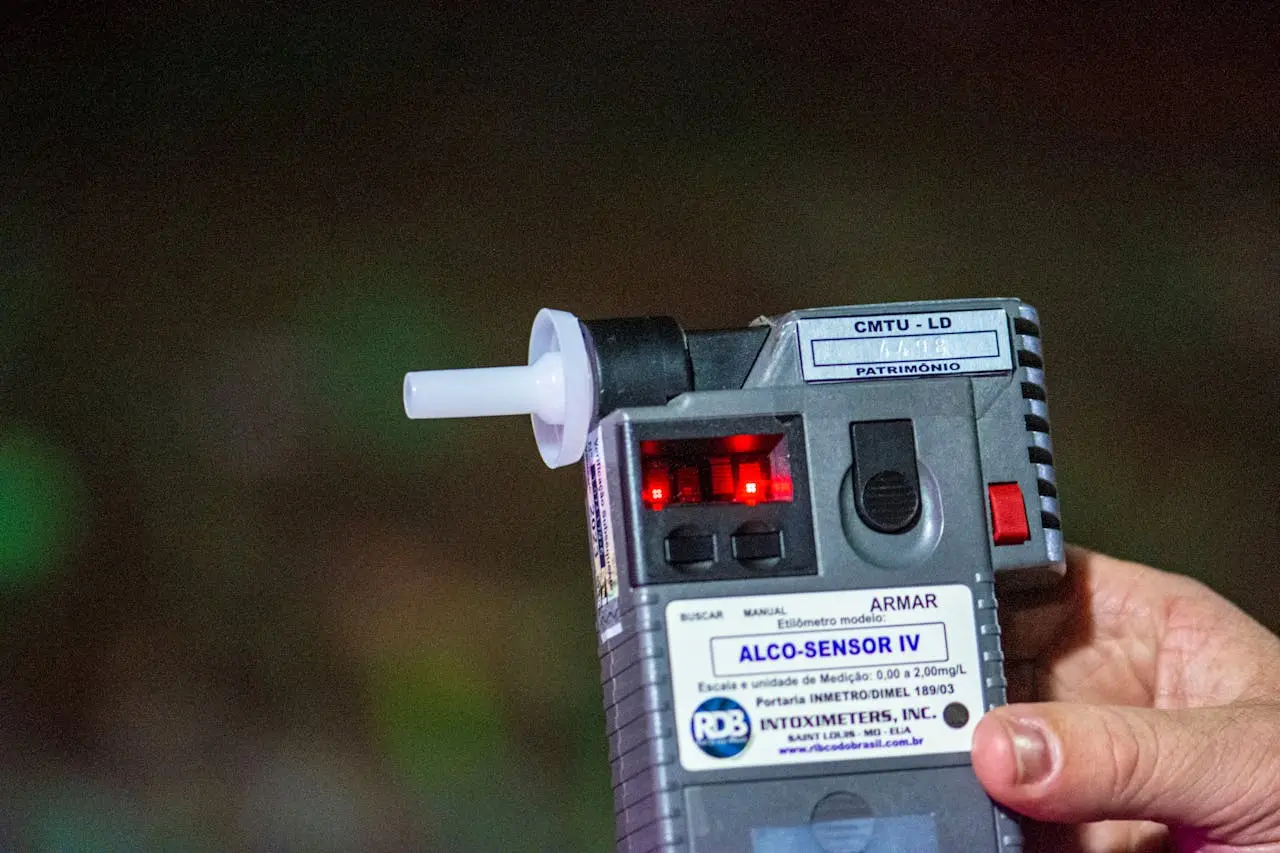
What Is the Required Waiting Period Before a Breath Test?
South Carolina requires a 20-minute pre-test waiting period, and the breath-test-site video generally must document the person’s conduct during that period.
What Happens During the 20-Minute Pre-Test Period?
The breath-test-site recording generally must show the person’s conduct during the required 20-minute waiting period. That recording provides evidence of what occurred immediately before the breath sample was taken. Comparing the video with the testing records can show whether the required waiting period was properly documented.
Why Can the Breath-Test Video Be Important?
South Carolina law requires the breath-test-site recording to document the testing procedure and the operator’s actions. It must also show the person taking or refusing the test and generally record the required waiting period. Comparing the video with the written testing records can reveal whether the recorded procedure matches the written documentation.
How Can Testing Records Reveal Questions About a Breath Result?
The reported number can be compared with the records and video documenting how the test was performed.
What Could a Review of the Testing Records Show?
Consider a driver whose breath test follows the required 20-minute waiting period. The video may show that period, while separate records identify the simulator result and operator qualification. Comparing those materials can reveal whether the recorded procedure matches the information documented for the test.
Does a Testing Issue Automatically Invalidate the Result?
A problem involving equipment records, operator qualifications, or testing procedures does not automatically invalidate a breath result. Its legal significance depends on the particular requirement, the available evidence, and how the issue affects the case. Finding a potential testing problem therefore does not guarantee suppression, dismissal, or a reduced charge.
What Happens When the Breath-Test Case Reaches Court in Aiken?
The charging documents identify where the criminal case proceeds, while the testing records remain relevant as the breath-test evidence is reviewed.
If the citation lists Aiken County Traffic Court, that court is located at 223 Park Avenue SW in Aiken.
What Breath-Test Records May Be Reviewed?
Several records can provide different information about how the breath test was performed and documented. A review may include:
- Simulator and equipment records: These can show whether the required equipment check produced a result within the permitted range.
- Operator certification records: These can show whether the person administering the test held the required qualification at that time.
- Breath-test-site video: The recording can show the testing procedure, the operator’s actions, and the required 20-minute waiting period.
- Breath-test result: The reported concentration can be compared with the other records documenting how the test was performed.
Reviewing these materials together can reveal whether the records and video consistently reflect the required testing procedure. A discrepancy does not automatically determine the outcome, but it may identify an issue requiring closer legal review.

What Can a Breath-Test Evidence Issue Mean for the Case?
A problem with the testing process does not automatically determine the outcome, but the State still must prove the charged offense beyond a reasonable doubt.
What Must the State Still Prove?
A reported breath result does not remove the State’s burden of proof. The result must be considered with the other admissible evidence and the legal requirements governing the charge. Questions about the equipment check, operator qualification, or waiting period can therefore matter when the breath-test evidence is evaluated.
Contact a DUI Lawyer in Aiken
A failed breath test does not make the reported number the only evidence worth reviewing. Simulator and equipment records, operator certification information, and breath-test video can document how the result was produced and whether the waiting period was recorded.
Eric M. Staggs handles criminal defense matters for Johnson, Johnson, Whittle, Lancer & Staggs. A former public defender, he has represented clients in Magistrate and General Sessions Court and is death-penalty certified in South Carolina. He can review breath-test records and related evidence to explain which issues may matter in your case.
Contact us today or call (803) 615-1248 to discuss your situation and learn how we can help with the next steps.


